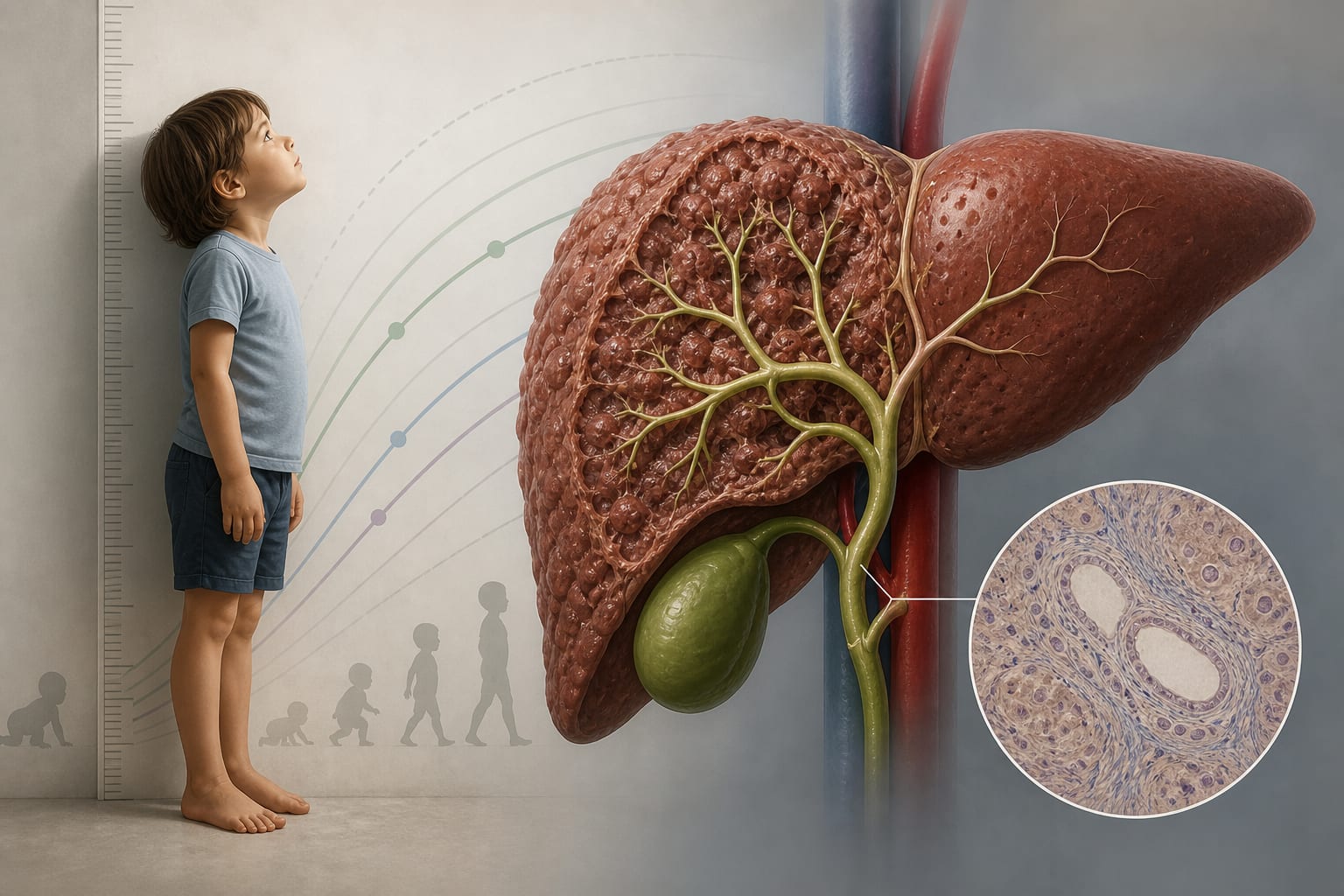
To characterize and compare longitudinal clinical utilization patterns in diagnosed and undiagnosed children, focusing on baseline differences in clinical natural history and resource requirements between those with and without identifiable genetic etiologies.
Approach:
Study Design: An observational study linking pediatric WGS findings with clinical outcome data from NHS Prescribing Services Ltd, focusing on children admitted to NICU and PICU to assess long-term healthcare utilization.
Data Collection: Data was collected from the Next Generation of Children Project (NGC) and included genomic findings, clinical phenotypes, and primary care medical records to evaluate the impact of WGS.
Eligibility Criteria: Children were recruited based on clinical assessments indicating a high probability of an underlying monogenic condition, including various severe presentations.
Key Findings:
Genetic disorders contribute to 10% to 30% of morbidity and mortality in NICU and PICU admissions.
WGS has a molecular diagnostic yield of 21% to 45% in the NGC study.
More than 90% of clinicians reported increased confidence in managing patients after WGS, indicating its perceived value in clinical practice.
Interpretation:
The study aimed to assess long-term healthcare utilization patterns and identify children more likely to receive a positive genetic result from WGS.
Limitations:
The study did not conduct a formal health-economic or cost-effectiveness assessment, which limits the understanding of economic implications.
While potential selection and survivor biases were addressed, the possibility of these biases affecting results cannot be completely ruled out.
Conclusion:
The study provides insights into the utility of WGS in pediatric care, particularly regarding long-term healthcare utilization and genetic diagnosis, highlighting the need for further research in this area.
by Joao M. L. Dias, Ravi P. More, Duncan Butler, Julian Brown, Courtney E. French, Helen Dolling, F. Lucy Raymond, David H. Rowitch, Catherine E. Aiken