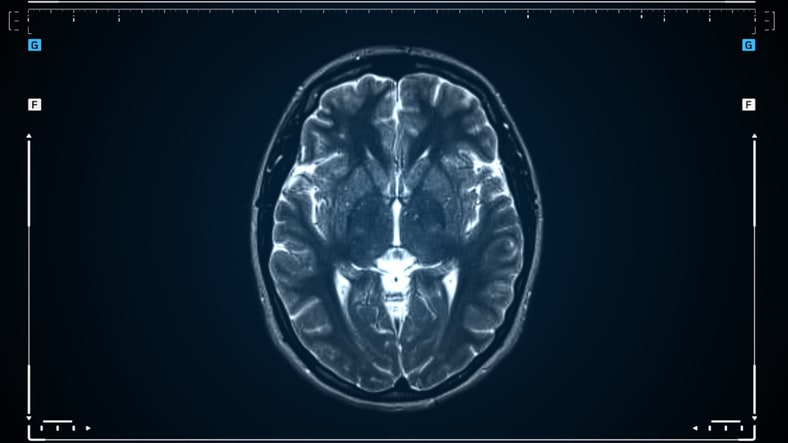
To present high-quality research in medical image computing, particularly focusing on machine learning applications that enhance diagnostic and treatment processes.
Key Findings:
Generative adversarial networks can effectively map MRI images into different contrasts, as demonstrated by Denck et al.
A 3D U-Net can estimate patient weight under a blanket with a deviation of approximately 5 kg, according to Bigalke et al.
Interval neural networks provide superior uncertainty estimation for image reconstruction failures, as shown by Oala et al.
Deep learning approaches outperform traditional methods in detecting sutures in endoscopy, as evidenced by Sharan et al.
A U-Net-based method can accurately locate and segment the locus coeruleus in Parkinson’s patients, as presented by Dünnwald et al.
A predictive method for treatment outcomes of intracranial AVMs is beneficial for radiologists, as proposed by Sprengel et al.
Interpretation:
The advancements in machine learning showcased at BVM 2021 highlight its critical role in enhancing medical imaging techniques and diagnostics.
Limitations:
The virtual format may limit networking opportunities compared to in-person events, potentially affecting collaboration.
The focus on machine learning may overshadow other important methodologies in medical image computing, which could limit the diversity of approaches presented.
Conclusion:
The BVM conference continues to be a vital platform for presenting innovative research in medical image computing, fostering collaboration among young scientists and adapting to the evolving research landscape.