To generate pseudo-healthy MR images that assist in the preoperative planning of trochleoplasty for patients with trochlear dysplasia, a condition that can lead to significant knee pain and instability.
Key Findings:
Trochlear dysplasia leads to anterior knee pain and instability, necessitating precise surgical intervention.
Current surgical methods lack individualized preoperative planning, resulting in variable patient outcomes, which this method aims to address.
The proposed method utilizes existing MR images to generate pseudo-healthy images, reducing the need for additional CT scans and associated risks.
Interpretation:
The generation of pseudo-healthy MR images could enhance surgical planning and outcomes for trochleoplasty, potentially leading to less invasive procedures and improved patient satisfaction.
Limitations:
The study does not provide a detailed preoperative plan comparable to existing methods in other surgical fields, which may limit its immediate applicability.
The effectiveness of the proposed method in clinical practice remains to be validated, and further studies are needed to assess its reliability.
Conclusion:
The approach of generating pseudo-healthy MR images represents a promising advancement in the preoperative planning of trochleoplasty, aiming to improve patient outcomes and reduce surgical invasiveness, ultimately enhancing the quality of care.
by Michael Wehrli, Alicia Durrer, Paul Friedrich, Volodimir Buchakchiyskiy, Marcus Mumme, Edwin Li, Gyozo Lehoczky, Carol C. Hasler, Philippe C. Cattin
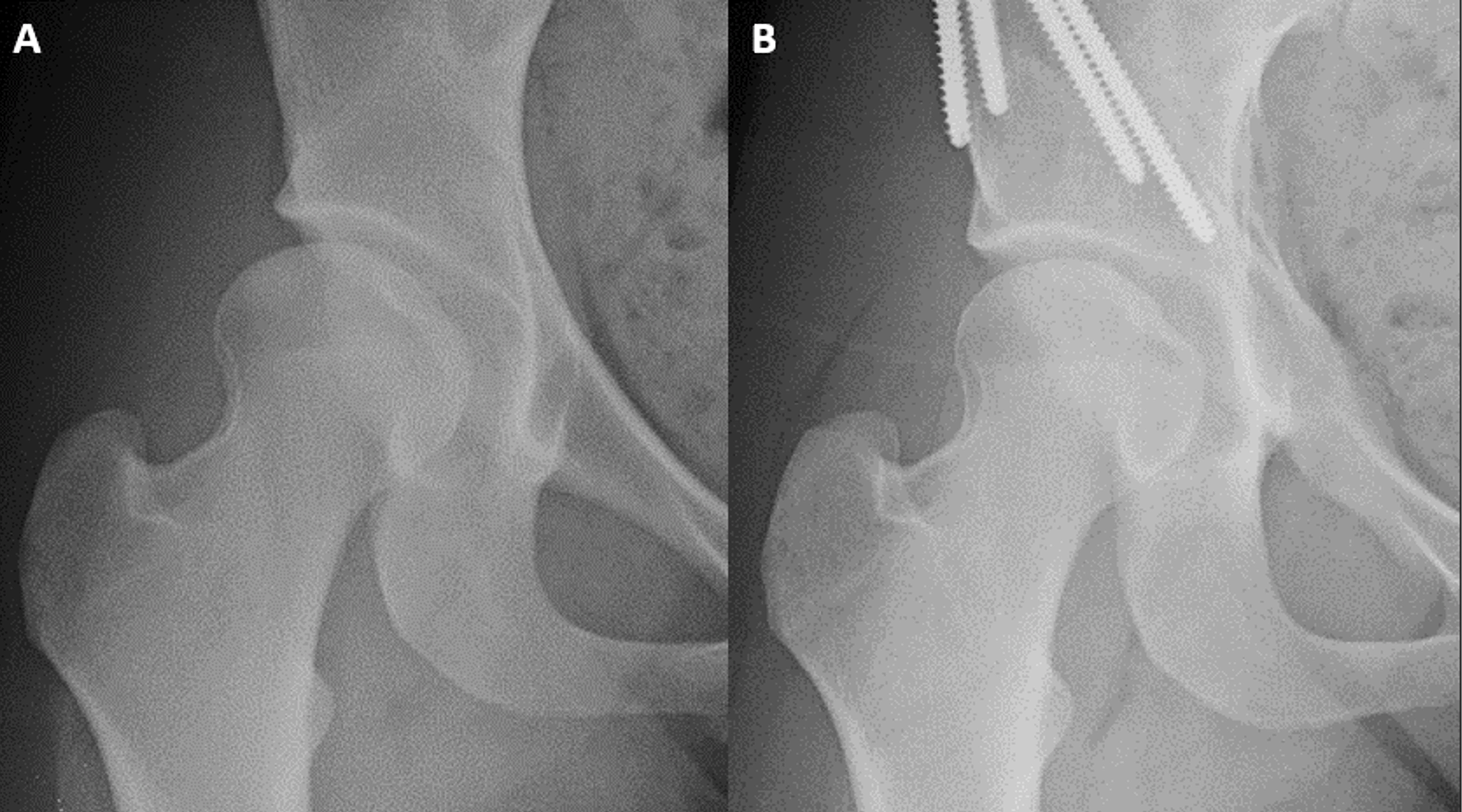
Periacetabular osteotomy (PAO) surgery corrects the deformed hip socket dysplastic to increase contact between the ball and socket, thereby reducing pain and improving stability and function.