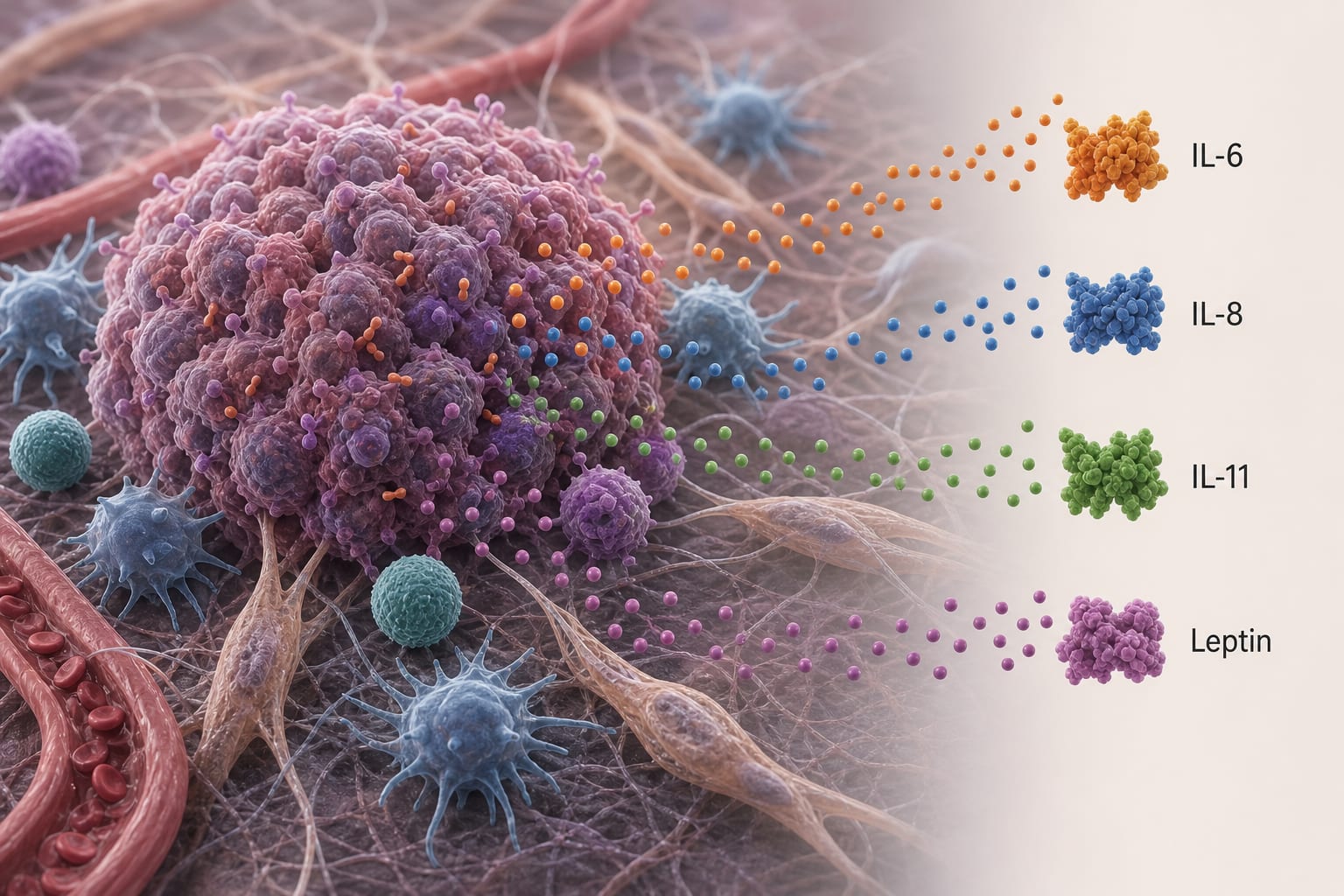
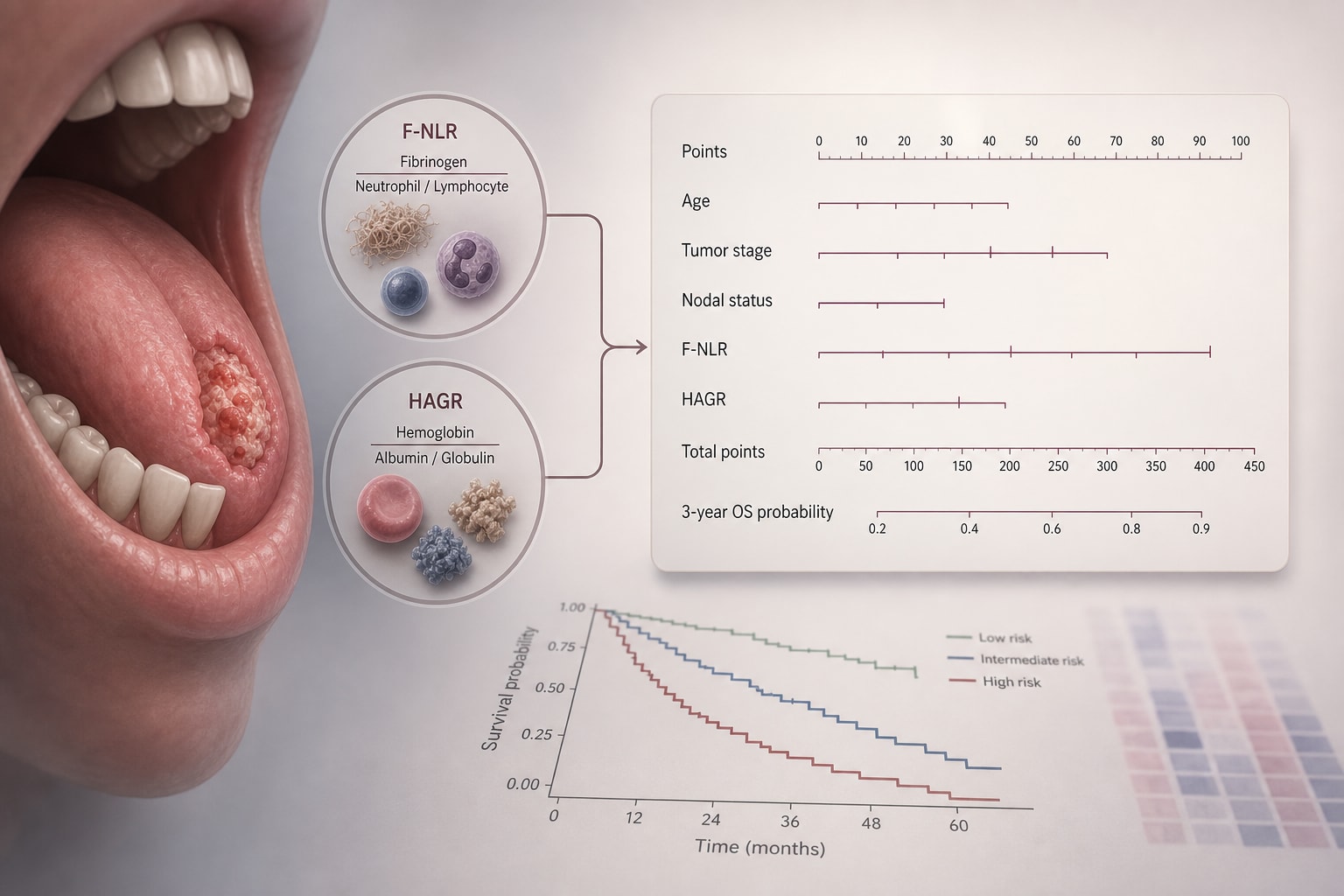
To construct and validate a prediction model for tumor metastasis in patients with urological tumors based on liquid biopsy biomarkers and clinical characteristics.
Approach:
Study Design: Retrospective study involving 360 patients with urological tumors, divided into training (n=252) and validation (n=108) sets.
Data Collection: Collected demographic characteristics and liquid biopsy biomarkers, including C-reactive protein, neutrophil count, and others.
Statistical Analysis: Used univariate analysis, LASSO regression, and multivariate Logistic regression to identify independent predictors and constructed machine learning models.
Model Evaluation: Evaluated model efficacy using the area under the receiver operating characteristic curve (AUC).
Key Findings:
C-reactive protein, neutrophil count, platelet count, platelet distribution width, hemoglobin, white blood cell count, and mean platelet volume were identified as independent influencing factors for tumor metastasis.
The random forest model achieved the highest AUC of 0.891, outperforming the support vector machine (AUC 0.885) and gradient boosting model (AUC 0.739).
Interpretation:
The random forest model shows potential for predicting tumor metastasis in patients with urological tumors using liquid biopsy indicators.
Limitations:
The study is retrospective and may be subject to selection bias.
The sample size, while adequate, may limit the generalizability of the findings.
Conclusion:
The random forest model based on liquid biopsy predictive indicators can effectively predict tumor metastasis in patients with urological tumors.