To summarize how breathing-based practices modulate physiological processes in the body and brain, with a focus on their applicability in clinical care.
Approach:
Breathing Techniques Overview: The review discusses various structured breathing practices, their physiological effects, and their cultural roots, including examples from diverse traditions.
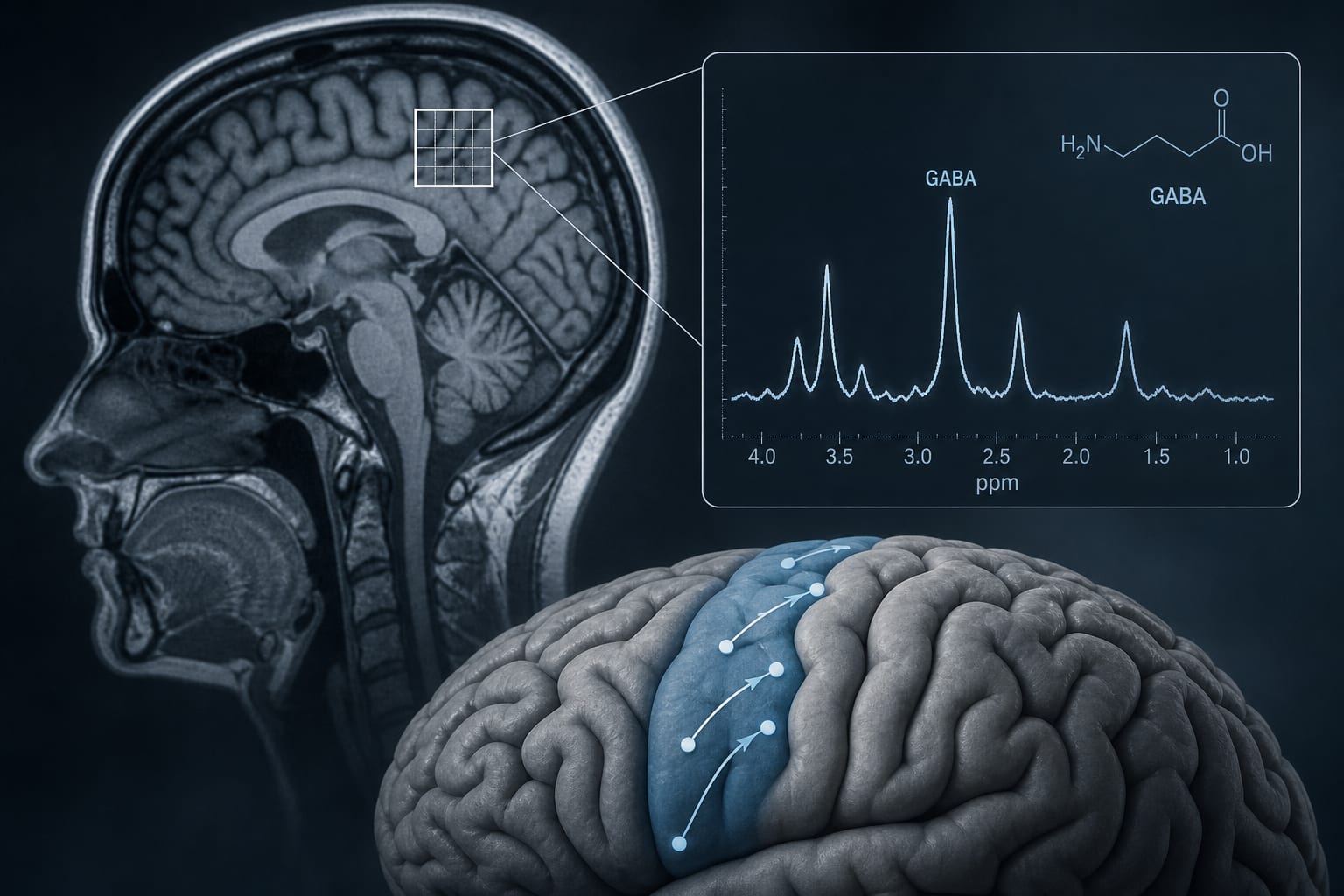
Physiological Mechanisms: It highlights how breathing regulates neural, cardiovascular, glymphatic, and autonomic systems.
Clinical Implications: The review aims to inform clinicians about the diverse breathing techniques, their neurophysiological correlates, and the populations requiring caution.
Key Findings:
Breathing techniques can lower heart rate and blood pressure by engaging vagal pathways.
Controlled breathing reduces activity in stress-related brain regions and enhances networks for calm attention.
Changes in breathing depth influence cerebrospinal fluid movement, though evidence of waste clearance in humans is lacking.
Certain populations, such as those with panic symptoms, significant cardiopulmonary disease, or pregnancy, require caution.
Interpretation:
Breathing practices are not a replacement for medical treatment.
Limitations:
Direct evidence of waste clearance in humans is lacking.
The review emphasizes the need for comparative effectiveness research to characterize neural and autonomic targets of each breathing pattern.
Clinicians should distinguish between breathing-only and multimodal protocols when interpreting research findings.
Conclusion:
Breathing practices have diverse physiological effects and should be tailored to individual patient needs.
by Pravesh Sharma, Vaishnavi Veerareddy, Isu Hong, Marin Nycklemoe, Mahathi Kandimalla, Vamika Sharma, Tiffany L. Kung, Rowa Osman, Seokbeen Lim, Karunya K. Kandimalla, Maria I. Lapid, Paul H. Min