To explore the role and implications of spontaneous breathing in patients with acute respiratory distress syndrome (ARDS).
Approach:
Physiologic effects of spontaneous breathing: Spontaneous breathing can enhance lung recruitment, improve pulmonary perfusion, preserve diaphragmatic function, and positively impact hemodynamics, but must be maintained within safe limits.
Mechanisms of patient self-inflicted lung injury (P-SILI): Excessive inspiratory effort in ARDS can lead to P-SILI, characterized by barotrauma, biotrauma, and atelectrauma, exacerbating lung injury.
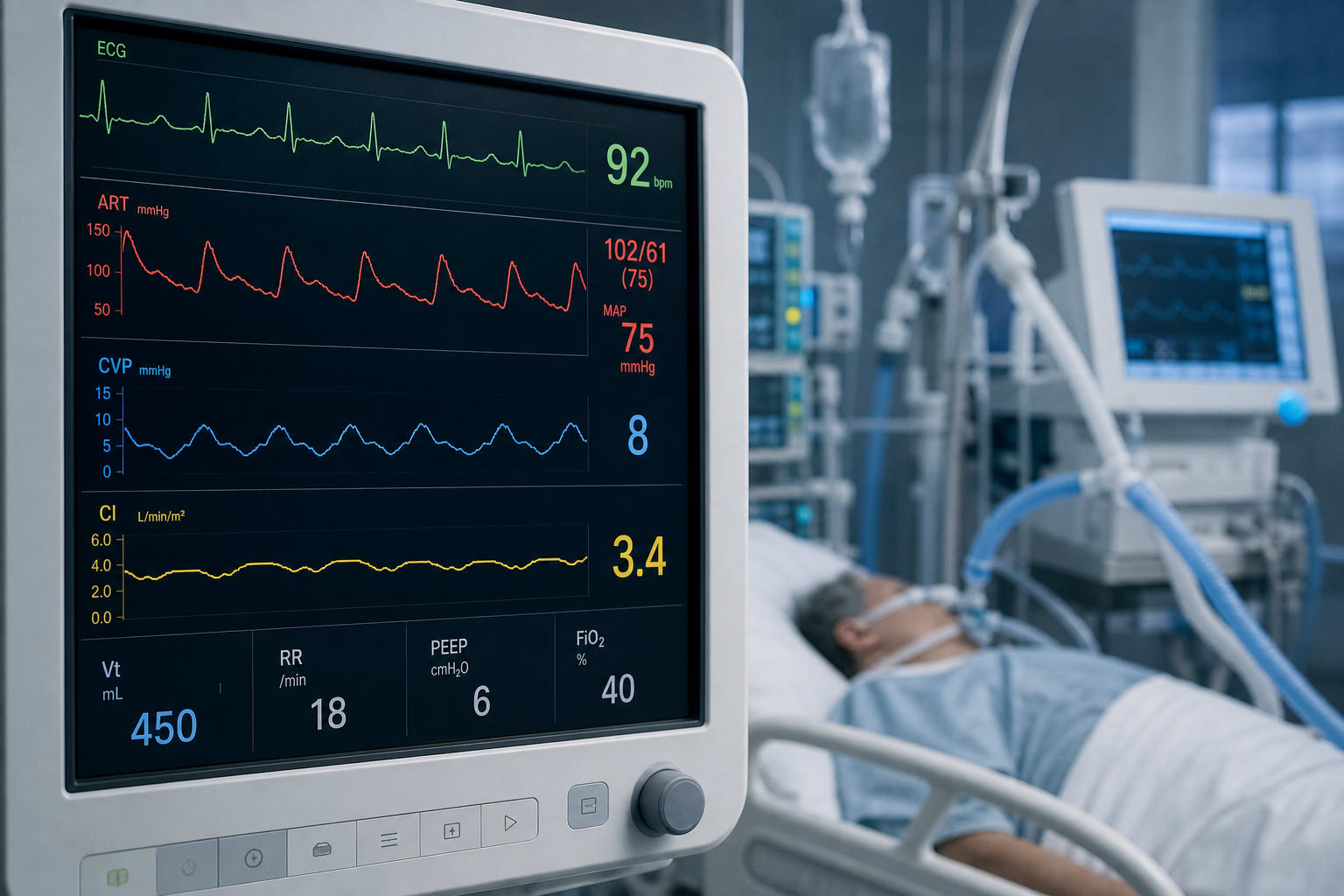
Ventilator modulation: Mechanical ventilation can help manage inspiratory effort during the transition phase, with pressure support ventilation (PSV) potentially optimizing patient-ventilator synchronization but also posing risks.
Key Findings:
Approximately two-thirds of intubated ARDS patients exhibit spontaneous breathing during the early phase.
Spontaneous breathing may prevent secondary lung injury and reduce ICU stay duration.
Risks of spontaneous breathing include patient self-inflicted lung injury (P-SILI) due to excessive inspiratory effort.
Interpretation:
The physiologic benefits of spontaneous breathing in ARDS are significant, but careful monitoring is essential to avoid complications.
Limitations:
Most physiologic effects of spontaneous breathing are based on experimental models or small studies.
The causal relationship between increased effort and adverse outcomes remains uncertain.
Conclusion:
Spontaneous breathing plays a crucial role in ARDS management, with both benefits and risks that need careful consideration.