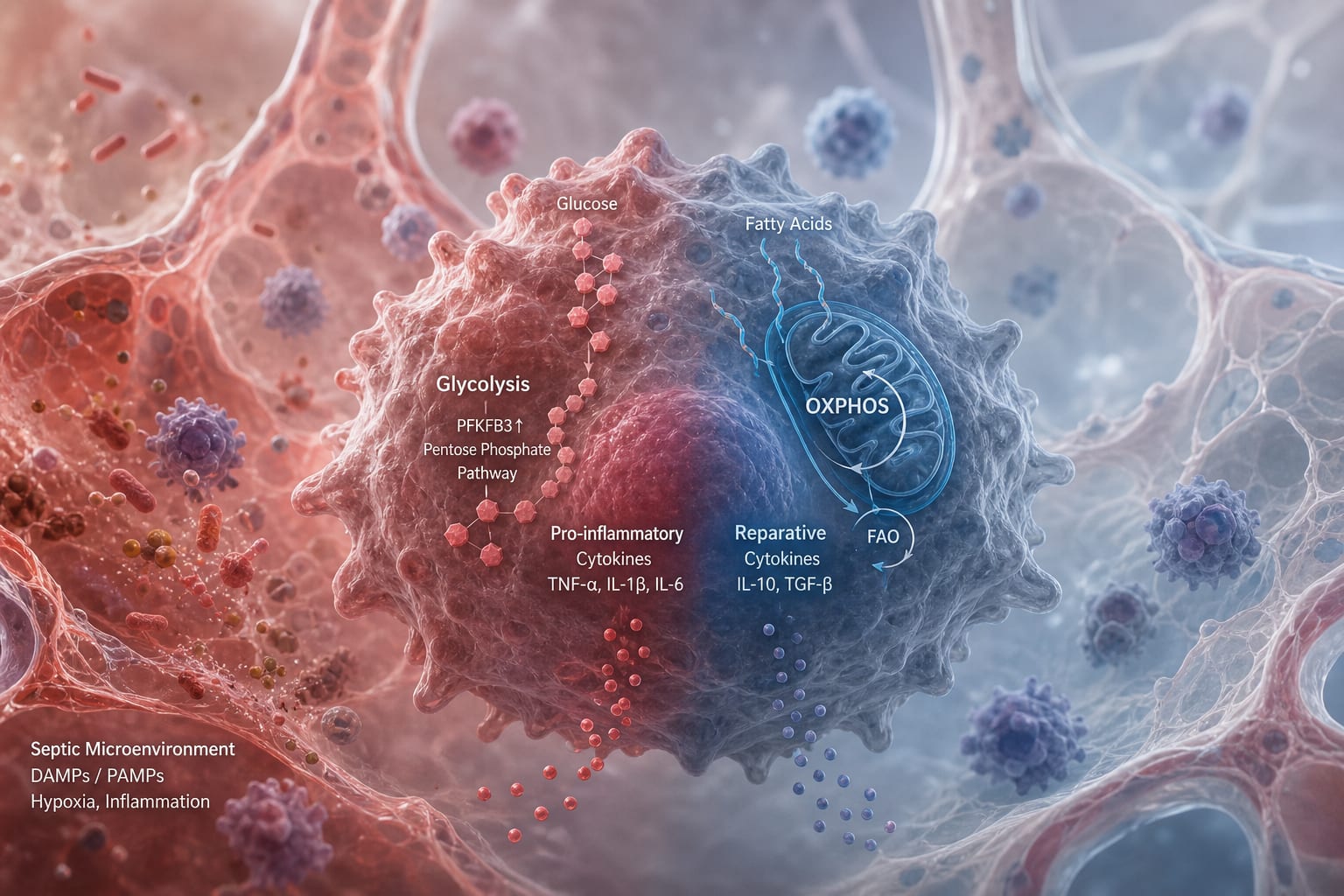
To examine the implications of identifying diverse phenotypes, subphenotypes, and endotypes in sepsis and ARDS, and their impact on therapeutic progress, particularly in precision medicine.
Key Findings:
Current subtyping efforts may add complexity rather than resolve heterogeneity, complicating clinical decision-making.
Different analytical approaches yield incomplete concordance across subtypes, questioning the validity of current classifications.
Subtyping has primarily led to retrospective analyses without prospective validation, limiting its clinical applicability.
The assumption that subgroups reflect distinct expressions of a single disease may be flawed, necessitating a reevaluation of disease definitions.
Interpretation:
The pursuit of subtyping in sepsis and ARDS risks creating a fragmented understanding of these conditions, potentially leading to chaos in clinical application and research, underscoring the need for a unified approach.
Limitations:
Current classifications are based on disparate data modalities, which may lead to inconsistent and unreliable categorizations.
Retrospective findings have not been integrated into standard care, highlighting a gap between research and clinical practice.
Potential for subtypes to be statistical artifacts rather than biological realities, raising concerns about their clinical relevance.
Conclusion:
The field must shift from descriptive efforts to causal investigations, focusing on identifying true biological entities and being open to the possibility that some identified subtypes may not represent valid clinical categories.