Immune-dominated cellular heterogeneity and stromal plasticity in keloid infiltrating and hypercellular zones revealed by single-cell RNA sequencing - Summary - MDSpire
Advertisement
Immune-dominated cellular heterogeneity and stromal plasticity in keloid infiltrating and hypercellular zones revealed by single-cell RNA sequencing
To investigate the cellular and molecular basis of spatial heterogeneity in keloids, focusing on immune-stromal interactions in infiltrating and hypercellular zones.
Approach:
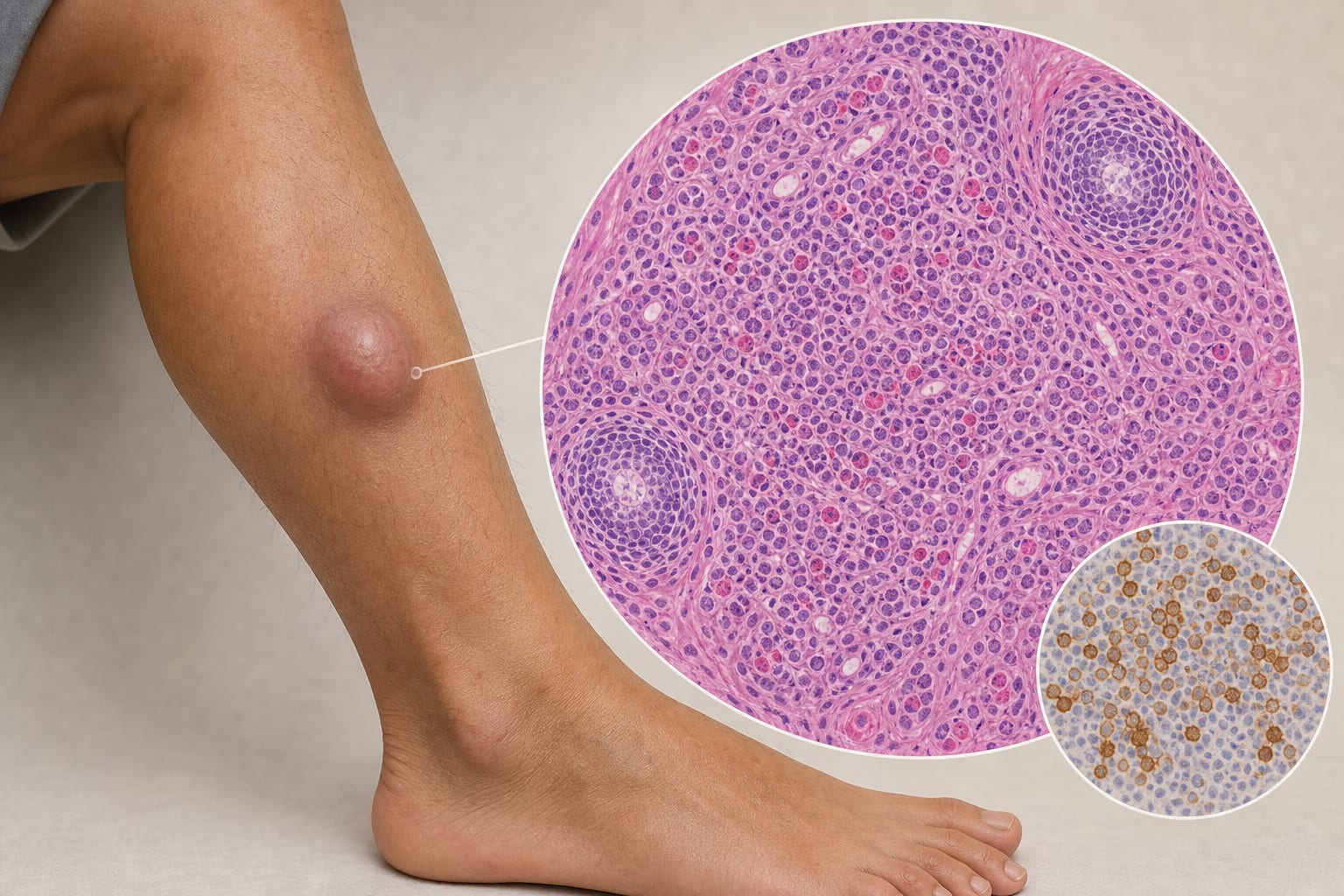
Sample Collection: Paired infiltrating and hypercellular zones were collected from anterior chest keloids of four patients.
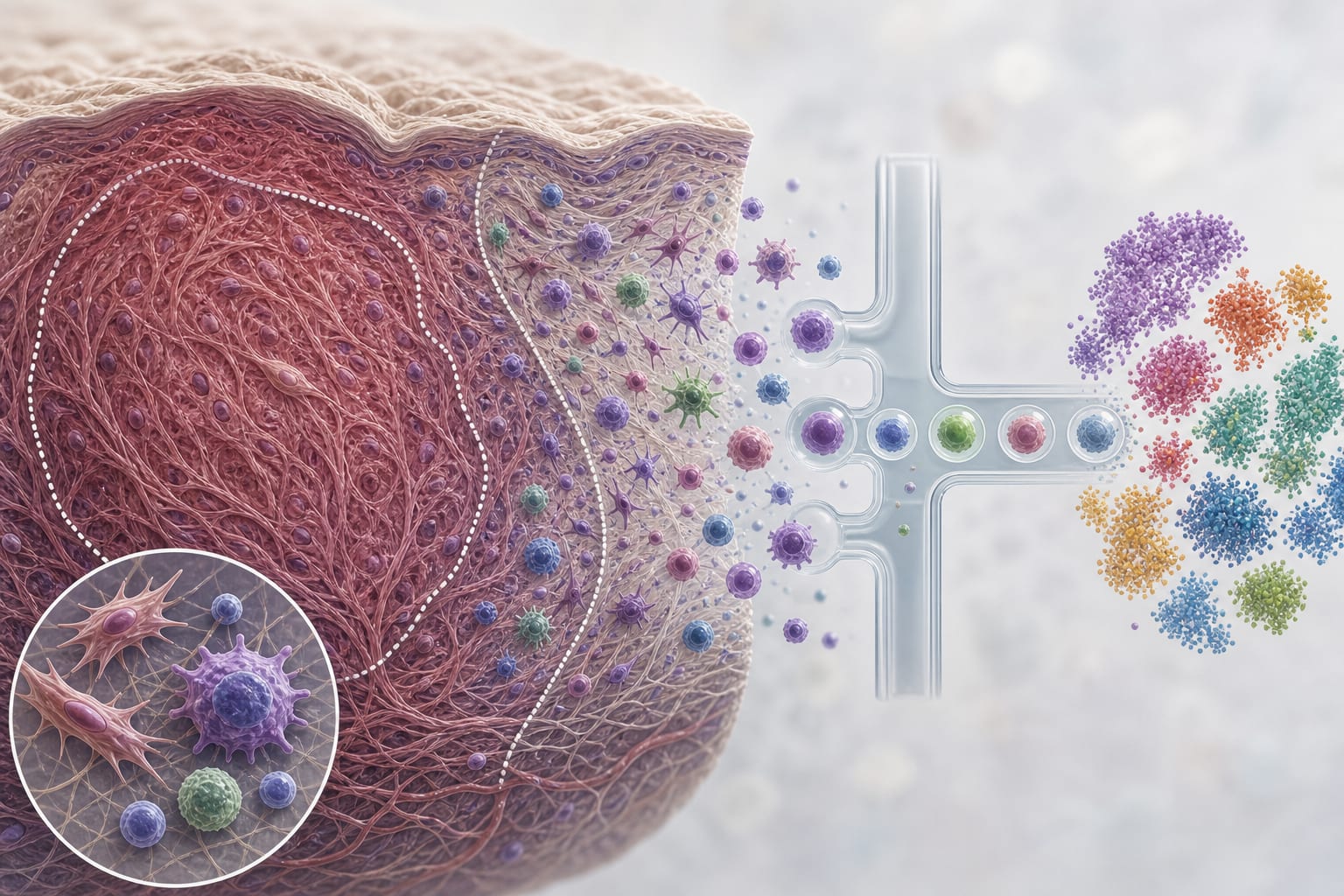
Single-Cell RNA Sequencing: Single-cell RNA sequencing was performed on 128,678 cells after rigorous quality control.
Data Analysis: Unbiased clustering, differential gene expression analysis, pseudotime trajectory reconstruction, and cell-cell interaction profiling were applied.
Key Findings:
The hypercellular zone was dominated by extracellular matrix-producing myofibroblasts.
The infiltrating zone was enriched in mononuclear phagocytes and endothelial cells, indicating a loose collagen architecture.
Infiltrating zone fibroblasts exhibited an immunomodulatory, inflammatory cancer-associated fibroblast-like phenotype.
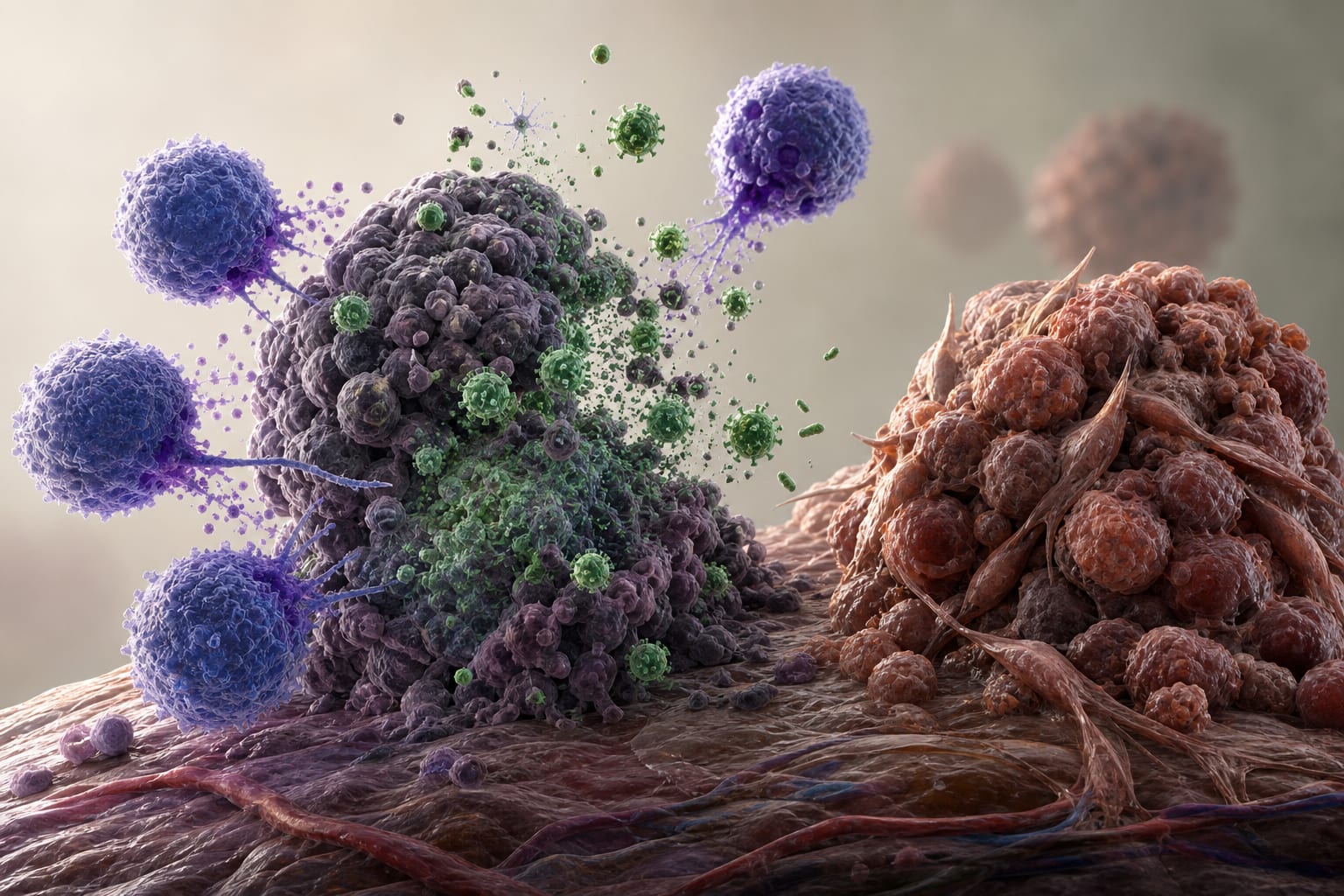
Macrophages in the infiltrating zone displayed a type I interferon signature and immunoglobulin-mediated activation, indicating a chronic inflammatory state.
Langerhans cells followed a three-stage developmental trajectory, orchestrating neutrophil and Th17 cell recruitment.
Endothelial cells at the margin underwent endothelial-to-mesenchymal transition.
The study redefines the keloid margin as an immunology-dominated niche characterized by profound cellular and spatial heterogeneity.
Limitations:
The study involved a small sample size of four patients.
Findings may not be generalizable to all keloid patients.
Conclusion:
The results provide a theoretical foundation for keloid precision therapies and zone-specific biomarkers for treatment response and disease monitoring.