To synthesize current scientific evidence and clinical experience regarding the role of superficial heat therapy (SHT) in managing pain across multiple stages of women’s health.
Approach:
Literature Search: A targeted literature search was conducted in PubMed and Scopus for studies published between 2010 and 2026, supplemented by earlier relevant publications.
Evidence Evaluation: Evidence was evaluated and integrated with the authors’ clinical experience.
Key Findings:
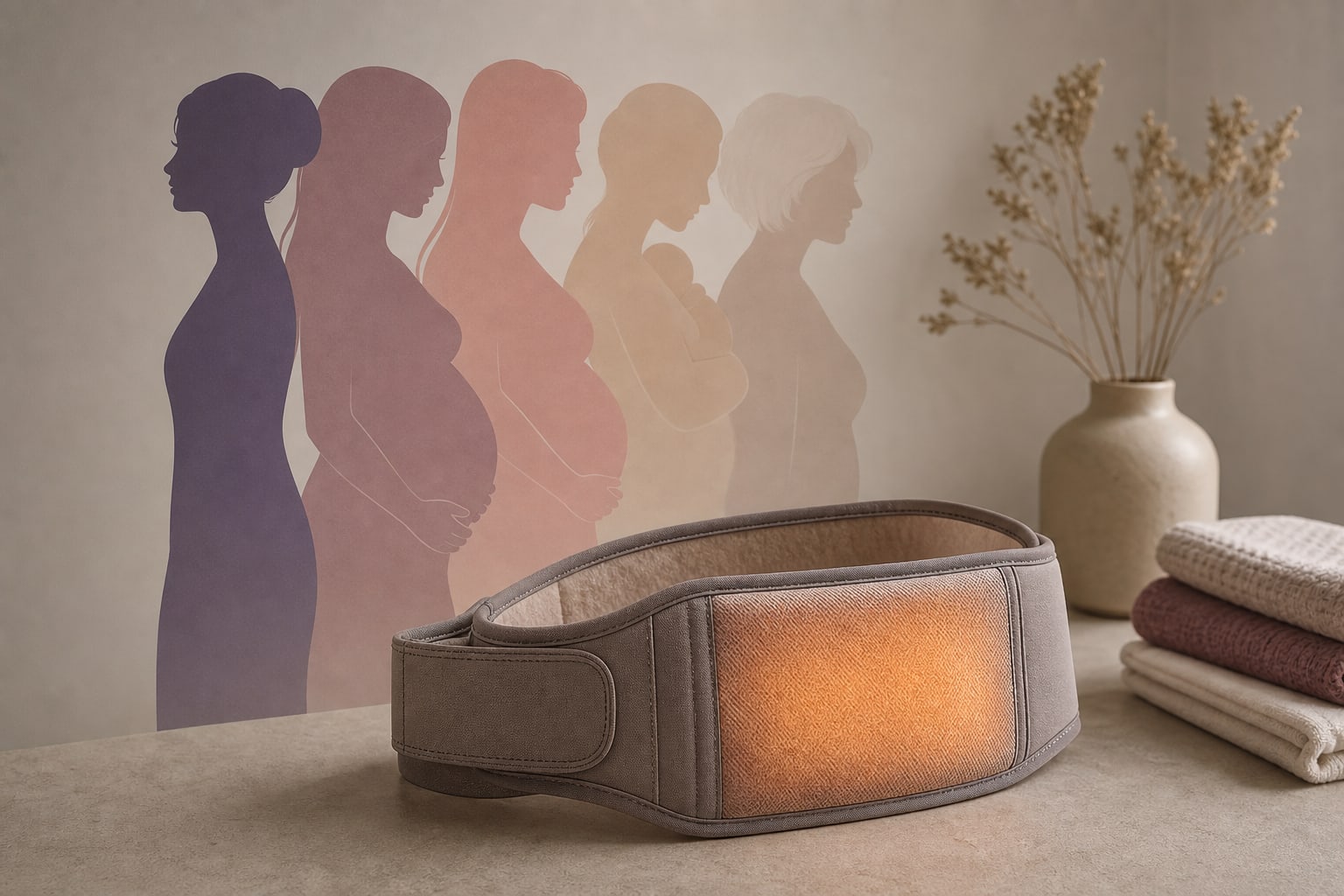
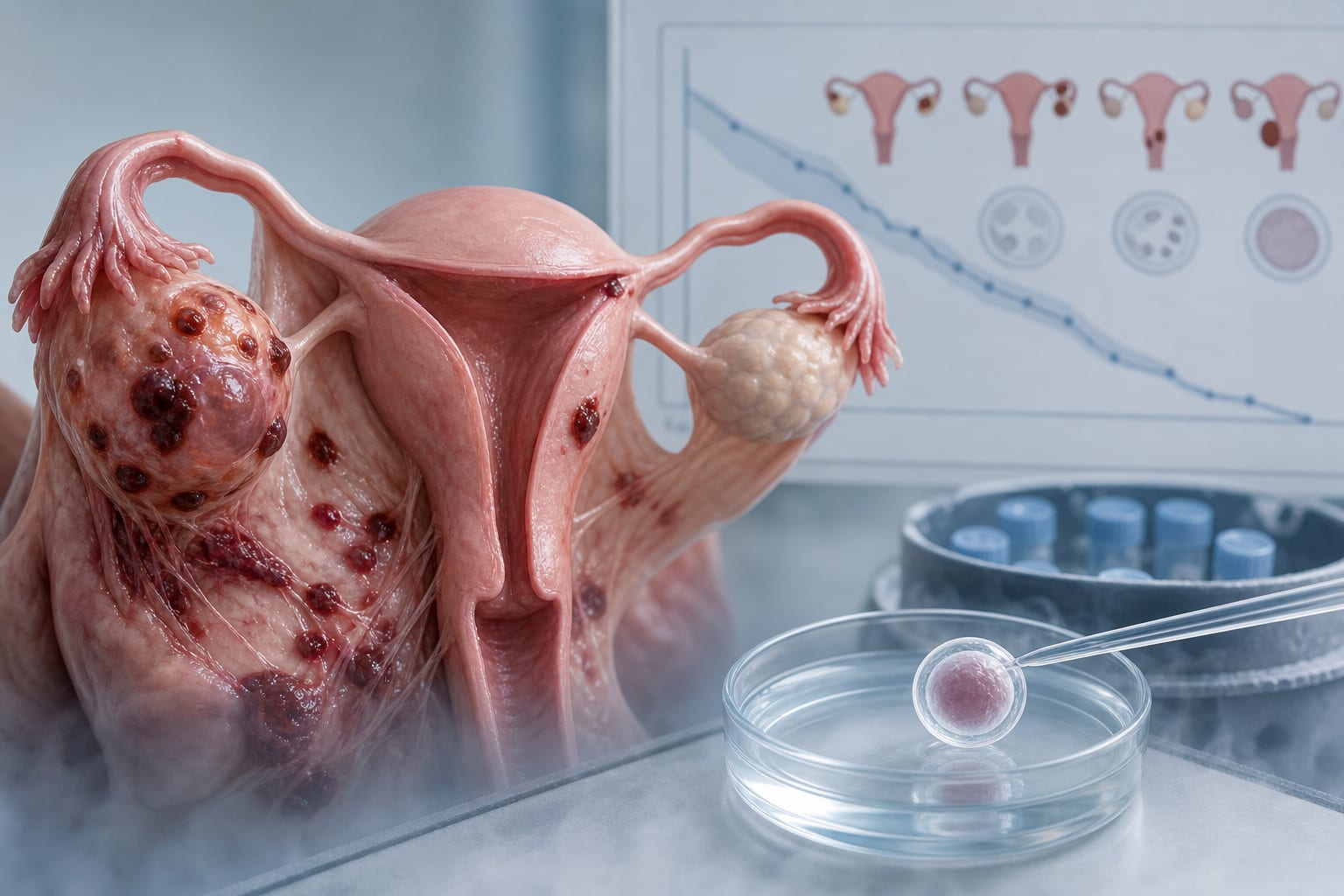
Evidence suggests that SHT may provide clinically meaningful pain relief in dysmenorrhoea and endometriosis-related pelvic pain, with efficacy comparable to commonly used analgesics.
Thermal interventions during labor, such as warm compresses, are associated with reduced pain perception and improved maternal comfort.
SHT may alleviate lumbopelvic and musculoskeletal pain in postpartum and breastfeeding contexts.
In peri- and postmenopausal women, SHT can reduce musculoskeletal discomfort and improve functional outcomes.
Wearable heat patches represent a practical option for sustained, controlled heat delivery.
Interpretation:
SHT represents a safe, non-invasive, and accessible adjunctive modality for managing abdominal and musculoskeletal pain across different stages of women’s lives.
Limitations:
SHT should not replace standard pharmacological or surgical treatments.
Future well-designed clinical studies are needed to standardize treatment protocols and establish optimal application parameters.
Conclusion:
Although SHT should not replace standard pharmacological or surgical treatments, it may complement conventional therapies.