Editorial: Recent Insights and Obstacles in Pediatric Infectious Diseases: Advances in Epidemiology, Clinical Practice, and Pathogenesis
-
By
-
Dechuan Kong
-
Jiehao Cai
-
July 3, 2026
Objective:
To highlight recent advances and challenges in pediatric infectious diseases, focusing on epidemiology, clinical management, and pathogenic mechanisms as discussed in the editorial.
Approach:
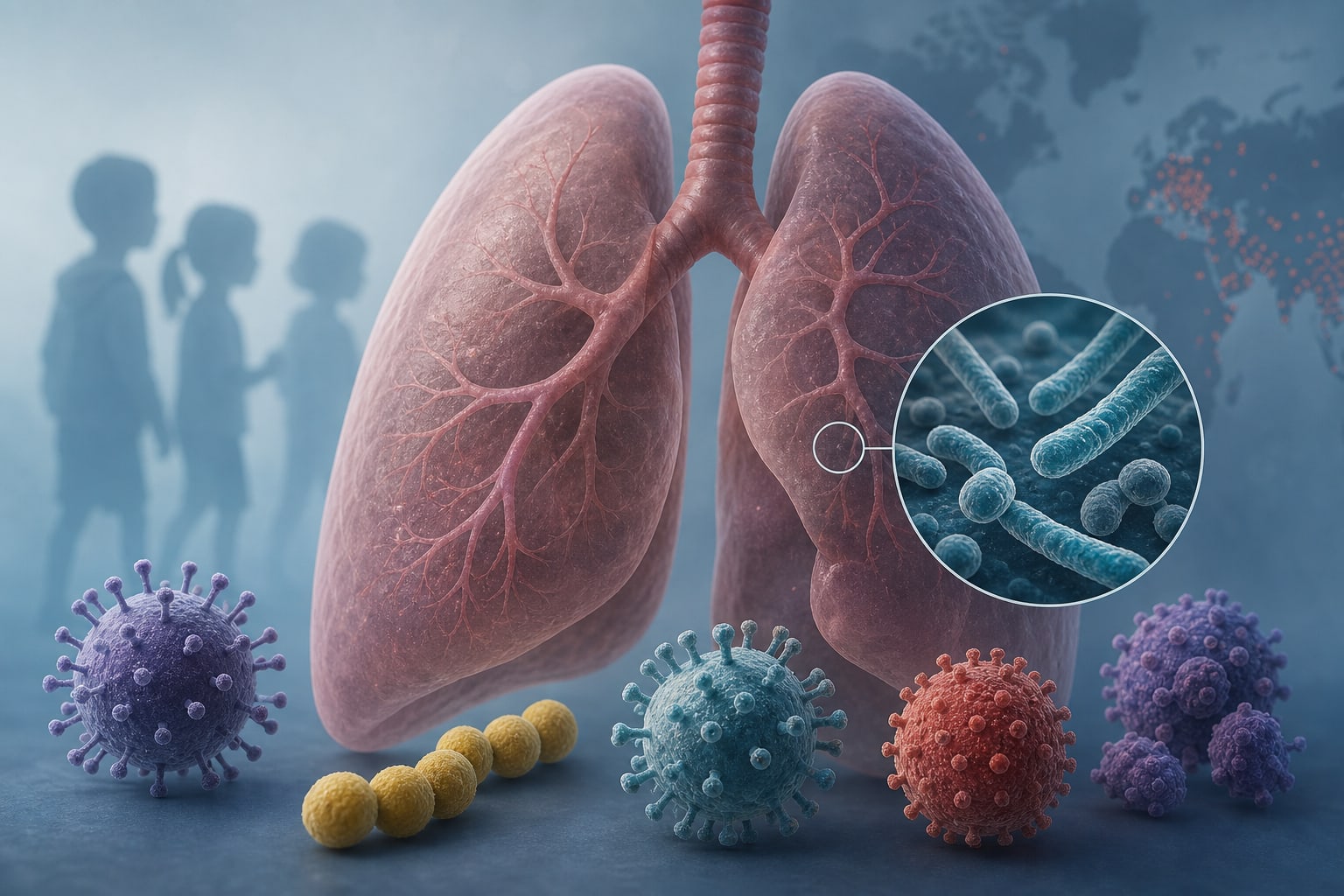
- Background and Scope: The editorial discusses the global health challenge posed by pediatric infectious diseases, emphasizing the need for updated research post-COVID-19, including the resurgence of various infections.
- Epidemiological Insights: Studies provided updates on the epidemiology of pediatric infections, revealing shifts in disease patterns due to the pandemic, including co-circulation of respiratory viruses.
- Emerging Pathogens: Case reports highlighted rare but severe infections, emphasizing the need for clinical awareness and rapid diagnosis, particularly for unusual pathogens.
- Clinical Management and Innovations: Research focused on optimizing clinical care, diagnostic innovations, and addressing antimicrobial resistance, highlighting variability in management practices.
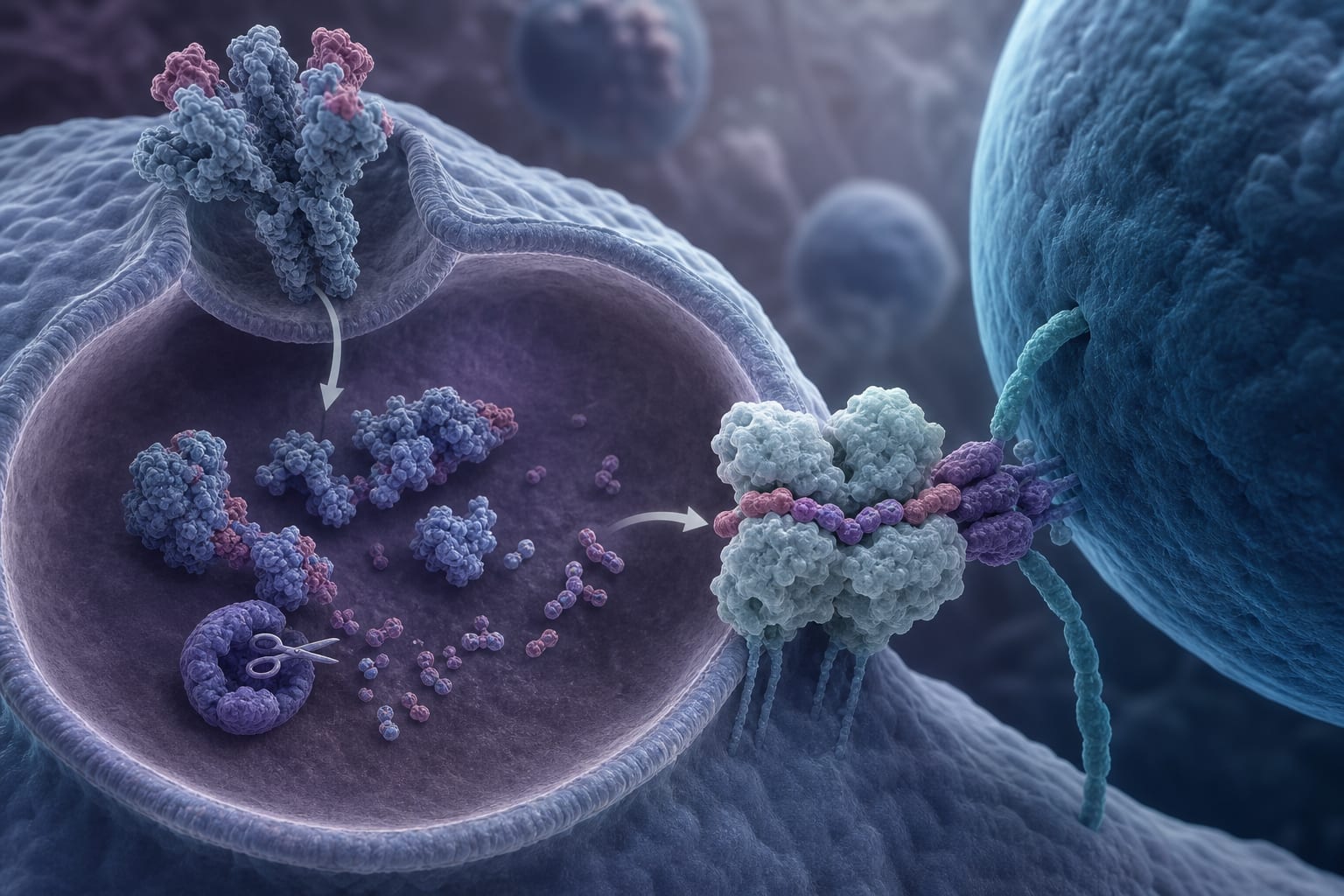
- Pathogenic Mechanisms: Mechanistic insights were discussed to aid in vaccine development and understanding host immunity, particularly in the context of emerging infections.
- Future Directions: The editorial notes ongoing challenges in pediatric infectious disease management and the need for standardized protocols to improve clinical outcomes.
Key Findings:
- The pandemic has reshaped the epidemiology of pediatric infectious diseases, with notable shifts in disease patterns.
- Emerging pathogens pose significant clinical challenges, requiring heightened awareness and rapid diagnosis.
- Variability in clinical management practices highlights the need for standardized protocols to ensure effective treatment.
- Innovative diagnostic tools and predictive models are being developed to improve patient outcomes in pediatric care.
- Genetic insights are crucial for understanding host susceptibility to infections, aiding in targeted interventions.
Interpretation:
The editorial emphasizes the importance of multidisciplinary approaches in addressing pediatric infectious diseases, highlighting the need for ongoing research and collaboration.
Limitations:
- The editorial does not provide specific data on the effectiveness of interventions discussed, limiting the applicability of findings.
- Variability in practice management may limit the applicability of findings across different regions and healthcare settings.
Conclusion:
The editorial underscores the necessity for continued research and collaboration in the field of pediatric infectious diseases to address emerging challenges.
Sources:
Based on findings from:
Editorial: New discoveries and challenges in pediatric infectious diseases: epidemiological, clinical, and pathogenic advances
Dechuan Kong, Jiehao Cai. Frontiers In Pediatrics, 2026.
https://www.frontiersin.org/journals/pediatrics/articles/10.3389/fped.2026.1904336/full
This content is an AI-generated, fully rewritten summary based on a published scholarly article. It does not reproduce the original text and is not a substitute for the original publication. Readers are encouraged to consult the source for full context, data, and methodology.