To elucidate the mechanisms of tumor antigen-associated autoantibodies (TAAbs) production, their roles in tumorigenesis, and potential clinical applications, including their use as biomarkers.
Key Findings:
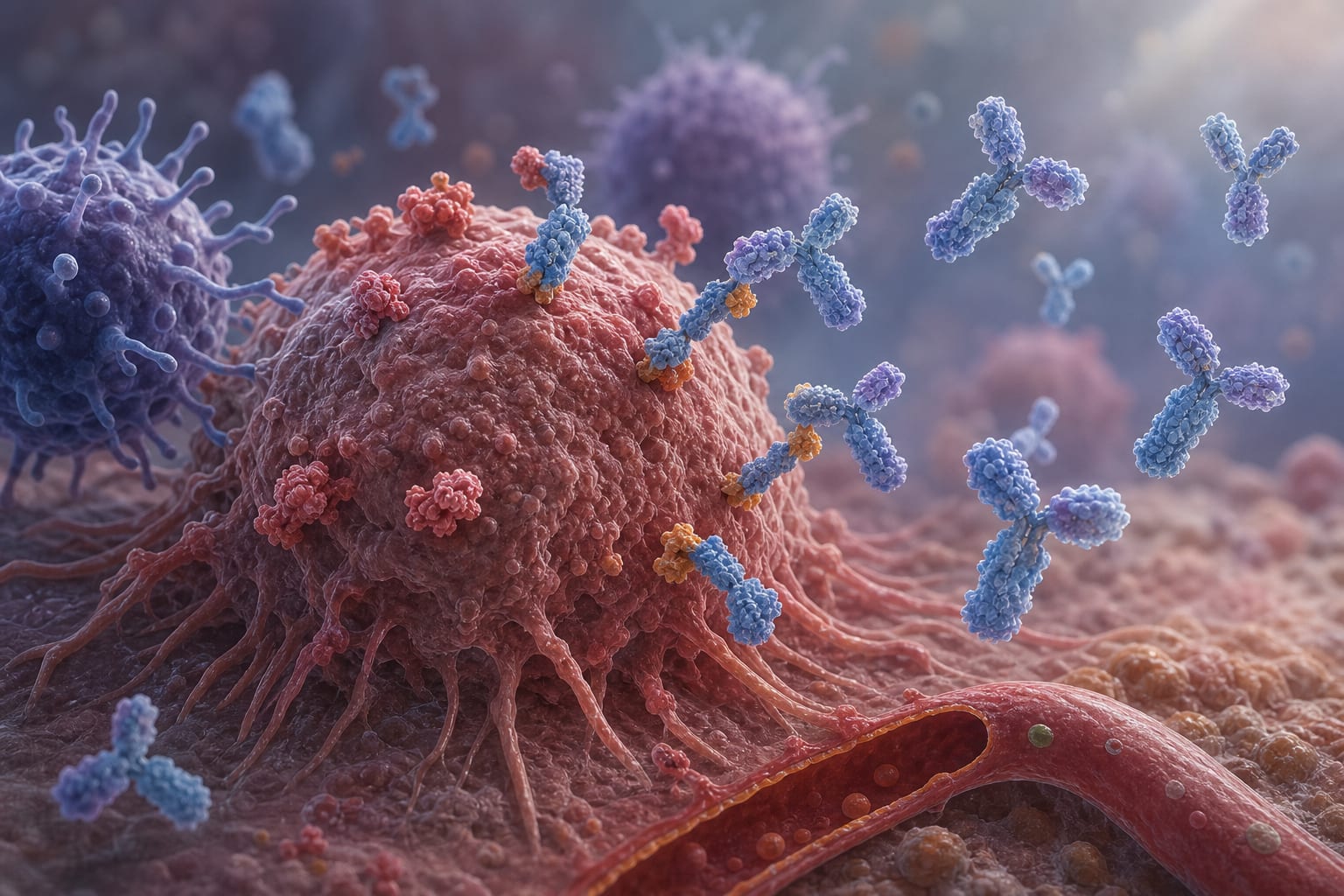
TAAbs can be produced due to abnormal protein expression, immune tolerance failures, and the influence of the inflammatory microenvironment.
They have a dual role in tumor initiation and progression, potentially promoting or hindering tumor development.
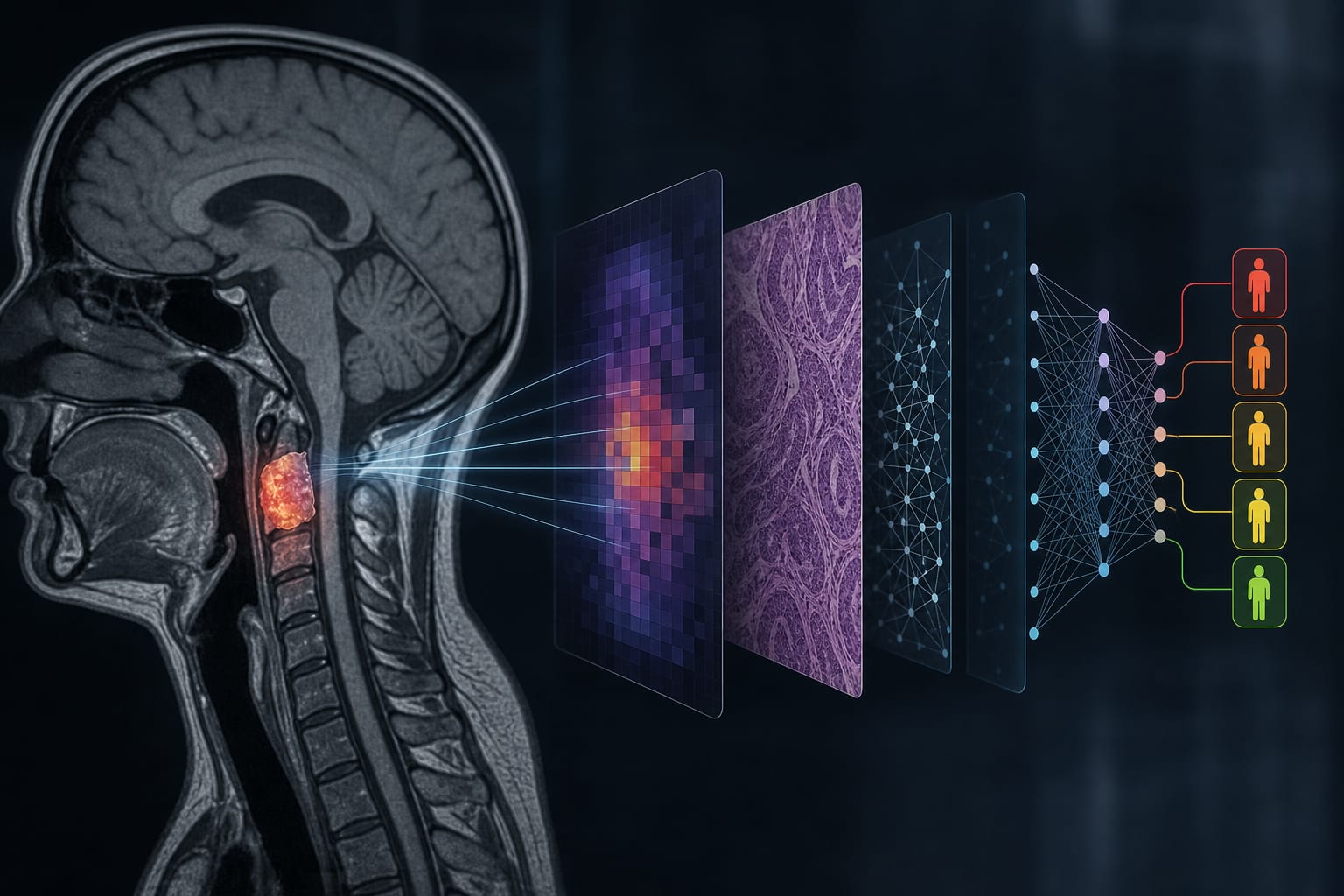
TAAbs can serve as stable biomarkers detectable months to years before clinical symptoms appear.
Interpretation:
TAAbs represent a promising avenue for cancer diagnosis and treatment, but their clinical implementation faces significant challenges, including the need for standardized detection methods and validation in diverse populations.
Limitations:
The mechanisms of TAAbs production are not fully understood, particularly regarding the role of the inflammatory microenvironment and exosomes.
Current research is limited in clinical application and requires further investigation.
Conclusion:
TAAbs hold potential as supplementary tools for tumor diagnosis and treatment, necessitating comprehensive future research to address existing challenges.