Geospatial Optimization of Trauma Systems—Local Solutions to a Global Problem - Summary - MDSpire
Coming Soon: Introducing MDSpire News. Learn more
Conexiant’s news site is now MDSpire News. Learn more

Enhancing Trauma Care Through Geospatial Strategies: Tailored Approaches to a Worldwide Challenge

  • By

  • Michael K. Dalton

  • Molly P. Jarman

  • September 29, 2026

Share

Objective:

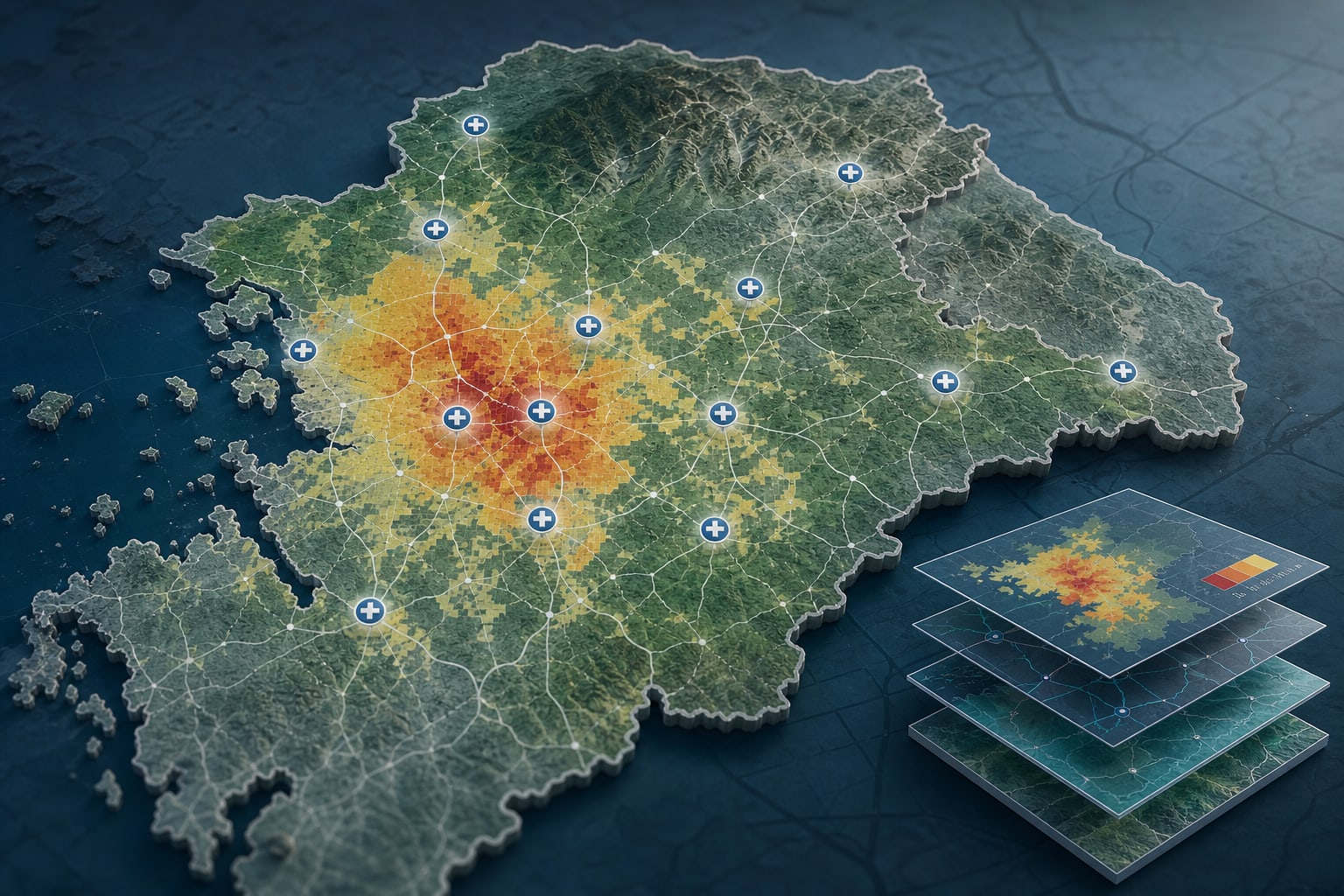
To model the geographic distribution of traumatic injury incidence and identify candidate hospitals for trauma care in South Korea's Gyeonggi province.

Approach:
  • Geographic Information System Modeling: Utilized fixed resource–constrained GIS modeling to optimize hospital resources for trauma care.
Key Findings:
  • Timely access to trauma care is crucial for reducing avoidable death and disability.
  • The centralized trauma system in South Korea allows for more efficient resource allocation compared to the decentralized US system.
  • Equity and efficiency are key considerations in trauma system modeling.
Interpretation:

The findings highlight the importance of a centralized approach in optimizing trauma care resources and addressing regional disparities in access.

Limitations:
  • The study's findings may not be directly applicable to decentralized systems like that of the US.
  • The analysis is limited to the Gyeonggi province and may not reflect conditions in other regions.
Conclusion:

The data presented are essential for developing an evidence-guided trauma system, emphasizing the need for a balanced approach in trauma center distribution and resource allocation.

Sources:

Original Source(s)

Related Content