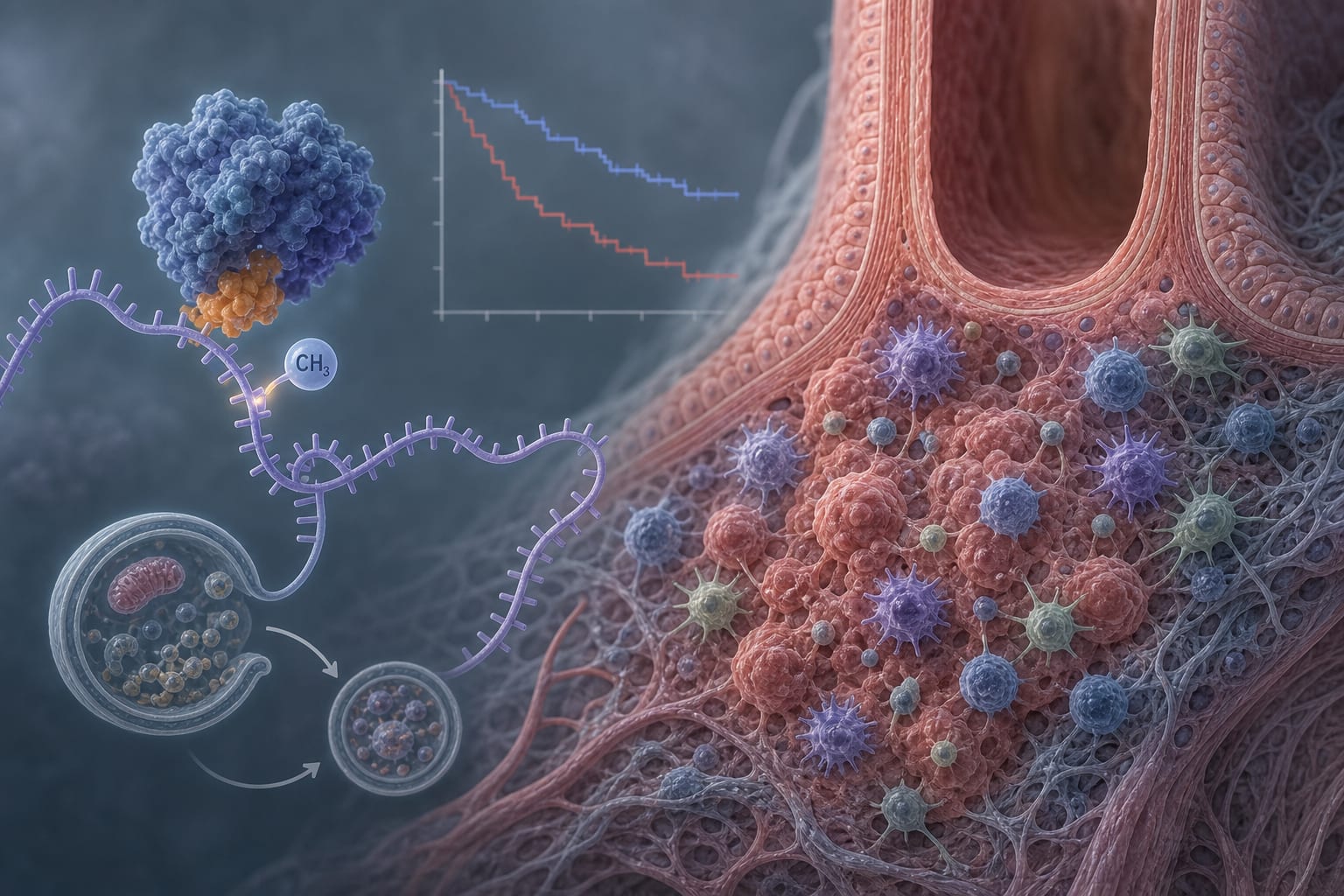
To investigate whether polystyrene nanoplastics (PS-NPs) promote inflammation and aging in young mice by disrupting the oral-gut microbiota axis, highlighting its significance in health.
Key Findings:
PS-NPs exposure significantly increased the expression levels of cellular senescence markers p21Cip1/Waf and p16Ink4a in lung and liver, indicating accelerated aging.
PS-NPs promoted the release of inflammatory cytokines such as IL-1β, IL-6, and TNF-α by modulating the p38 MAPK pathway, suggesting a mechanism for inflammation.
PS-NPs decreased the expression levels of antioxidant genes, which may contribute to oxidative stress.
16S rRNA sequencing revealed dysbiosis in oral and intestinal microbiota, with significant alterations in microbial diversity and community structure, potentially impacting overall health.
Interpretation:
The study provides mechanistic insights into nanoplastic toxicity and a theoretical basis for developing preventive strategies, such as dietary modifications or microbiome-targeted therapies.
Limitations:
This study may be limited by the specific mouse model used and the short duration of exposure; further research is needed to explore long-term effects.
Conclusion:
The findings suggest that PS-NPs can induce inflammation and accelerate aging processes in young mice through disruption of the oral-gut microbiota axis, warranting further investigation into potential preventive measures.