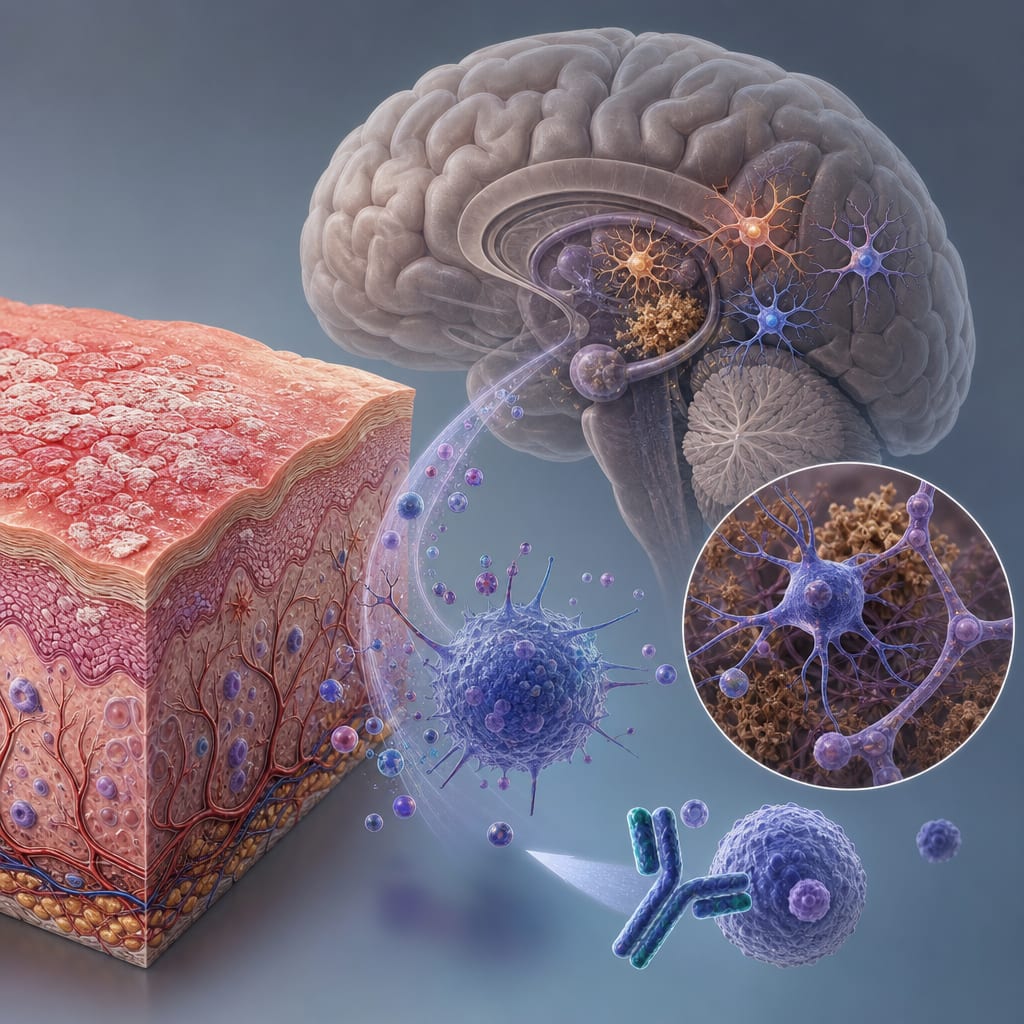
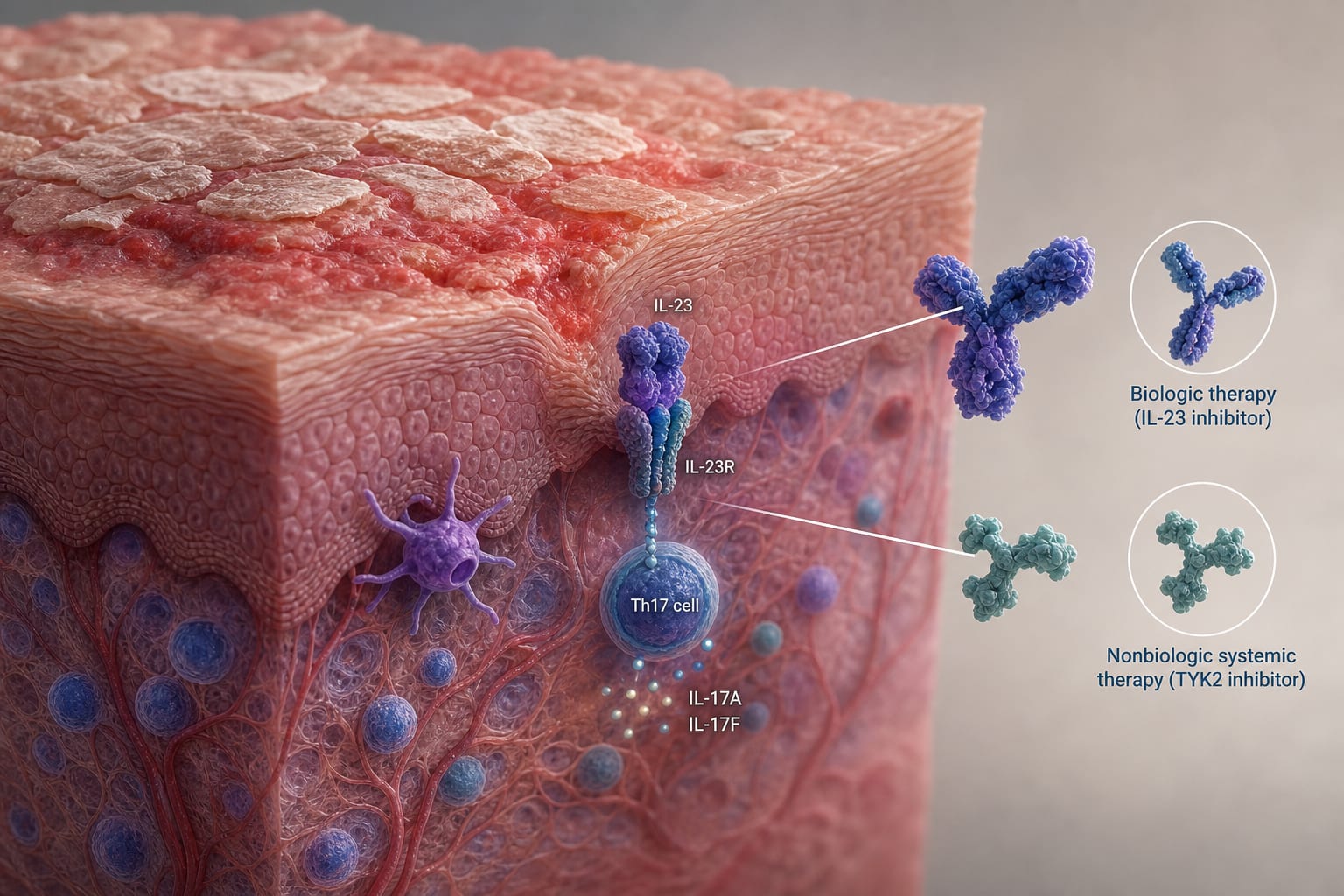
To investigate the relationship between various systemic treatments for psoriatic disease and the risk of developing Alzheimer's disease.
Approach:
Key Findings:
Systemic treatments for psoriatic disease are associated with a decreased risk of Alzheimer's disease, although some studies show variability in results.
The neuroprotective effects of dermatological treatments suggest a connection between skin and brain health.
Key mechanisms include immune modulation targeting chronic inflammation and neurodegenerative processes.
Long-term systemic therapy, particularly biologics, may reduce dementia incidence.
Shared inflammatory pathways between psoriasis and Alzheimer's disease highlight the need for tailored treatment strategies.
Interpretation:
The findings indicate that systemic treatments for psoriasis may offer neuroprotective benefits, potentially lowering Alzheimer's disease risk through mechanisms involving immune modulation and inflammation control, though further research is needed.
Limitations:
Some studies did not confirm a direct link between psoriasis and dementia after adjusting for comorbidities, indicating potential biases.
The association between psoriasis severity, treatment exposure, and dementia risk requires further stratified analyses.
Conclusion:
Systemic therapies for psoriatic disease may play a crucial role in reducing Alzheimer's disease risk, emphasizing the importance of understanding the shared immune dysregulation between these conditions and the need for further research.