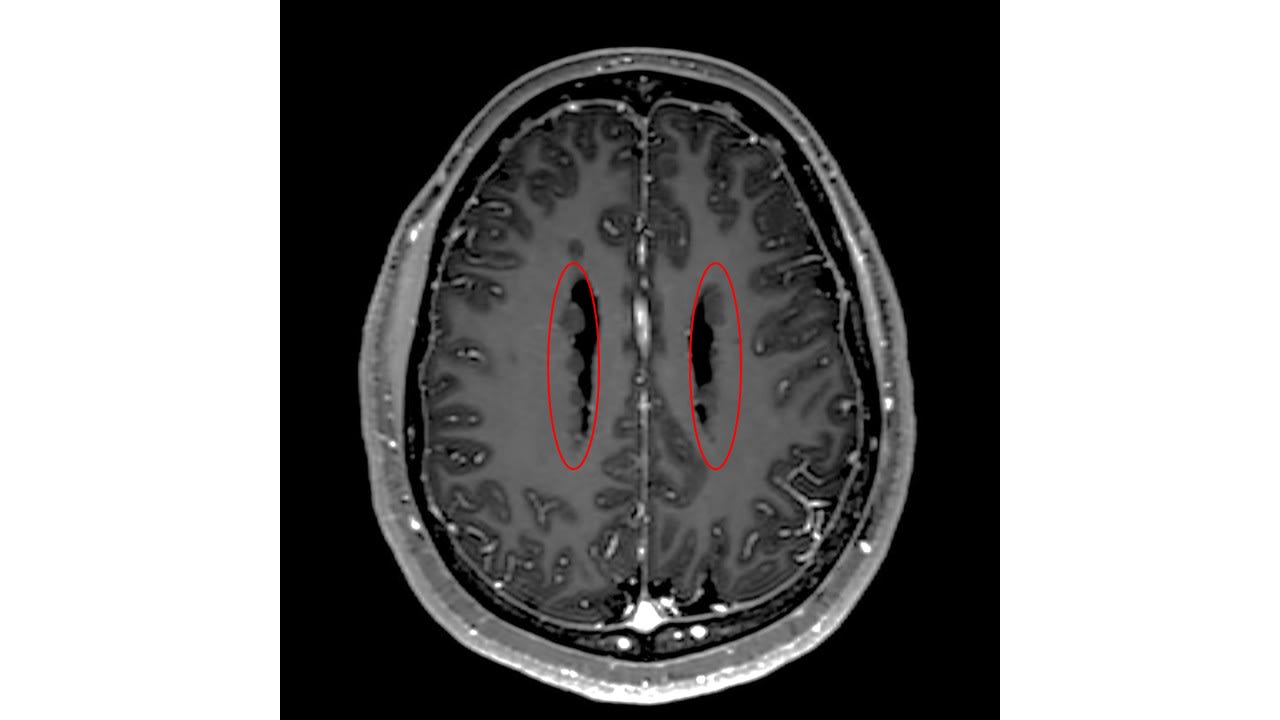
To report preliminary experience using the 4F technique for skull base reconstruction during superior eyelid endoscopic transorbital approach (SETOA), highlighting its potential advantages over existing methods.
Key Findings:
The 4F technique was applied in 16 patients with various intracranial lesions, achieving a notable reduction in complications.
Most lesions were intradural extra-axial, requiring dural opening, with specific outcomes indicating success in reconstruction.
Postoperative follow-up ranged from 14 to 38 months, with emphasis on reconstruction-related complications.
Interpretation:
The 4F technique aims to ensure watertight closure and restore integrity between intra- and extradural compartments, significantly minimizing complications such as CSF leaks and enhancing patient outcomes.
Limitations:
The study is based on a small sample size of 16 patients, which may limit the generalizability of the findings.
It is a retrospective review, which may introduce bias and affect the reliability of the outcomes.
Conclusion:
The 4F technique shows promise for effective skull base reconstruction during SETOA, though further studies are needed to validate its efficacy and safety, particularly in larger cohorts.
by Sergio Corvino, Francesco Corrivetti, Giuseppe Catapano, Giuseppe Corazzelli, Antonio Colamaria, Edisher Maghalashvili, Iacopo Dallan, Domenico Di Maria, Germano Di Matteo, Giorgio Iaconetta, Matteo de Notaris
Epilepsy remains a life-altering condition, particularly due to the unpredictable nature of seizures and their cumulative impact on cognition, independence and quality of life.