Conexiant’s news site is now MDSpire News. Learn more
Advertisement
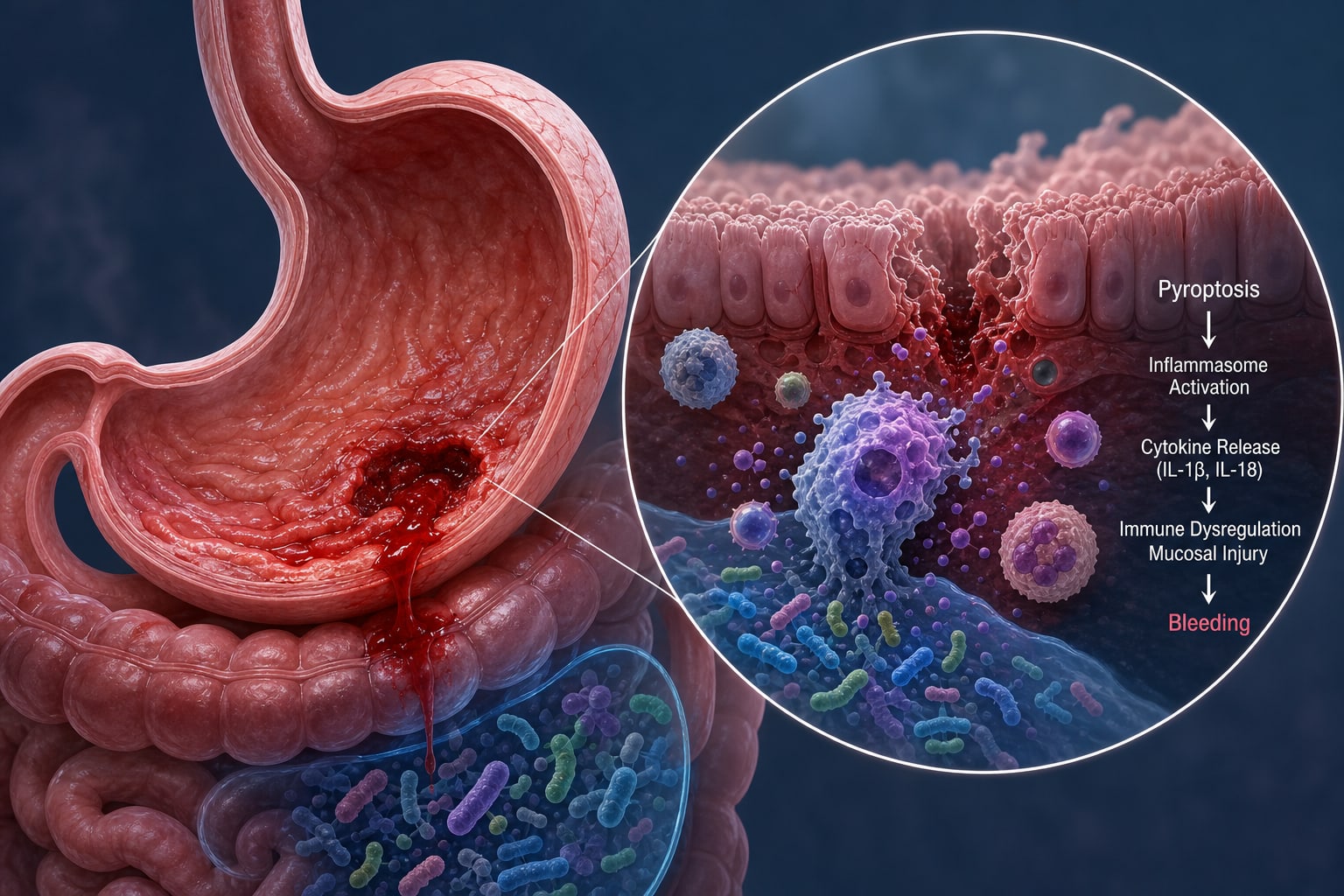
The Role of Pyroptosis, Immune Response, and Gut Microbiome in Acute Upper Gastrointestinal Bleeding: Mechanisms, Risk Assessment, and Personalized Approaches
To systematically synthesize the risk factors, pathophysiological mechanisms, risk prediction models, and therapeutic strategies for acute upper gastrointestinal bleeding (UGIB), focusing on the interplay among pyroptosis, immunity, and the microbiome.
Key Findings:
Pyroptosis, immune dysregulation, and gut microbiome dysbiosis are mechanisms in UGIB pathogenesis.
Systemic inflammatory markers like NLR and CRP are useful for UGIB risk stratification.
Established risk-scoring systems are critical for assessing UGIB risk.
Interpretation:
Limitations:
Current understanding of the pyroptosis-immune-microbiome interplay remains limited.
Pyroptosis-targeted therapeutics and individualized prognostic models are not yet clinically mature.
Conclusion:
The review provides insights into the interplay between pyroptosis, immune response, and gut microbiome in UGIB.