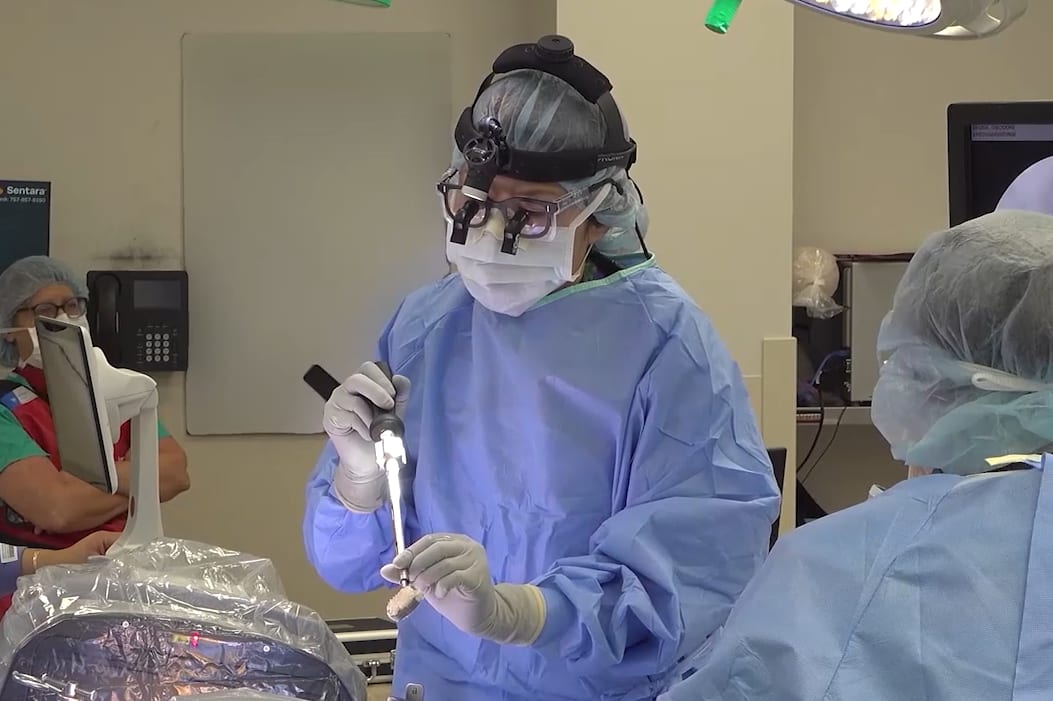
To discuss the surgical management of a specific case of occipital neuralgia caused by an aberrant vertebral artery loop, a rare etiology.
Key Findings:
The patient experienced complete resolution of pain at three months post-surgery, indicating the effectiveness of the surgical intervention.
No new neurological deficits or signs of cervical instability were observed, underscoring the safety of the procedure.
Interpretation:
Aberrant vertebral artery loops should be considered in refractory occipital neuralgia cases, particularly when conventional causes are ruled out, as this may lead to more effective treatment options.
Limitations:
The study is based on a single case report, limiting generalizability to broader populations.
Long-term outcomes beyond three months were not assessed, which may affect the understanding of the procedure's durability.
Conclusion:
Surgical treatment for occipital neuralgia due to vertebral artery loops should be individualized, with careful consideration for minimally invasive techniques that avoid arterial transposition, based on intraoperative findings.
In this procedural case review, vascular surgeon Dr. Samuel Steerman and neurosurgeon Dr. Shannon Clark collaborate to perform an anterior lumbar interbody fusion (ALIF).