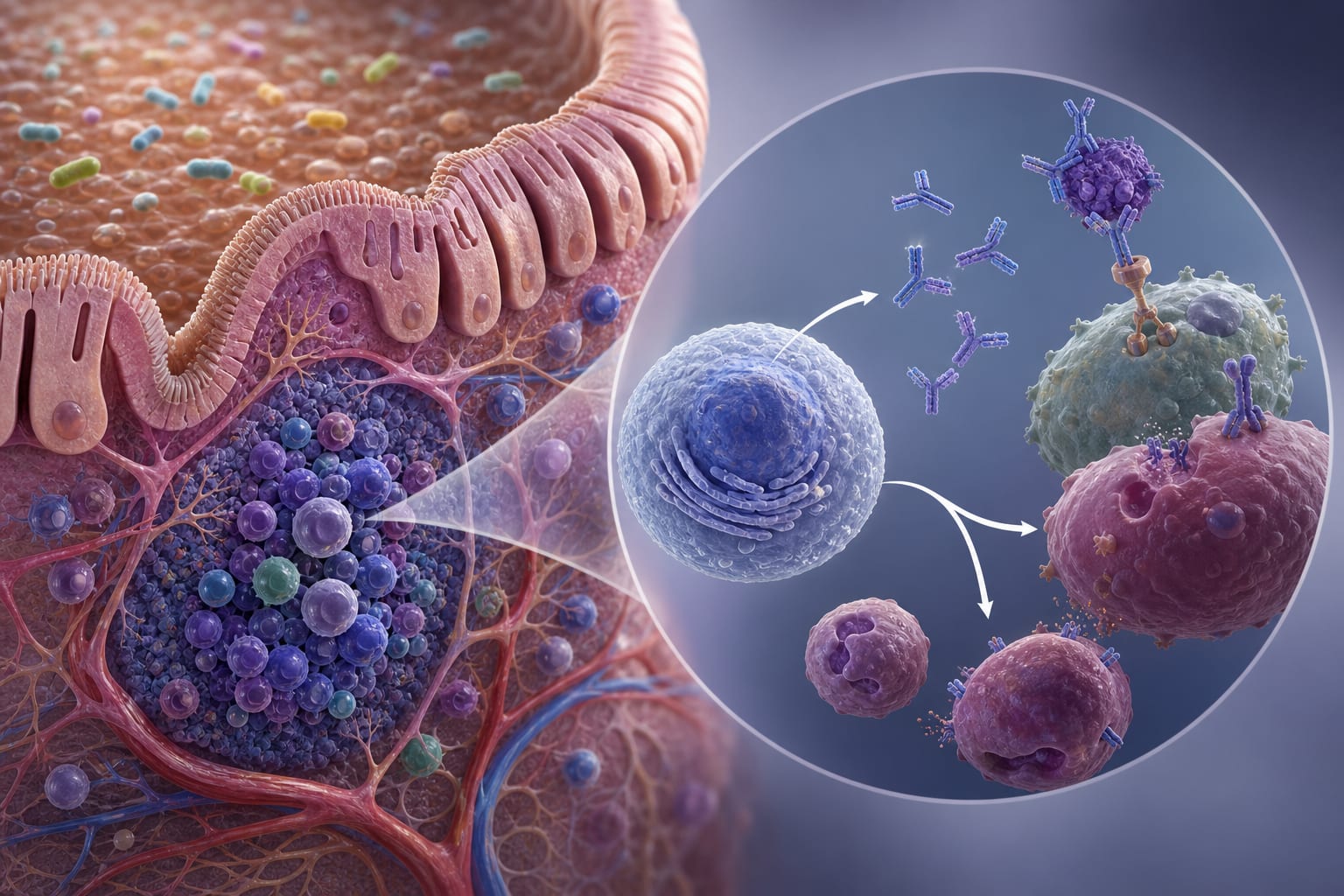
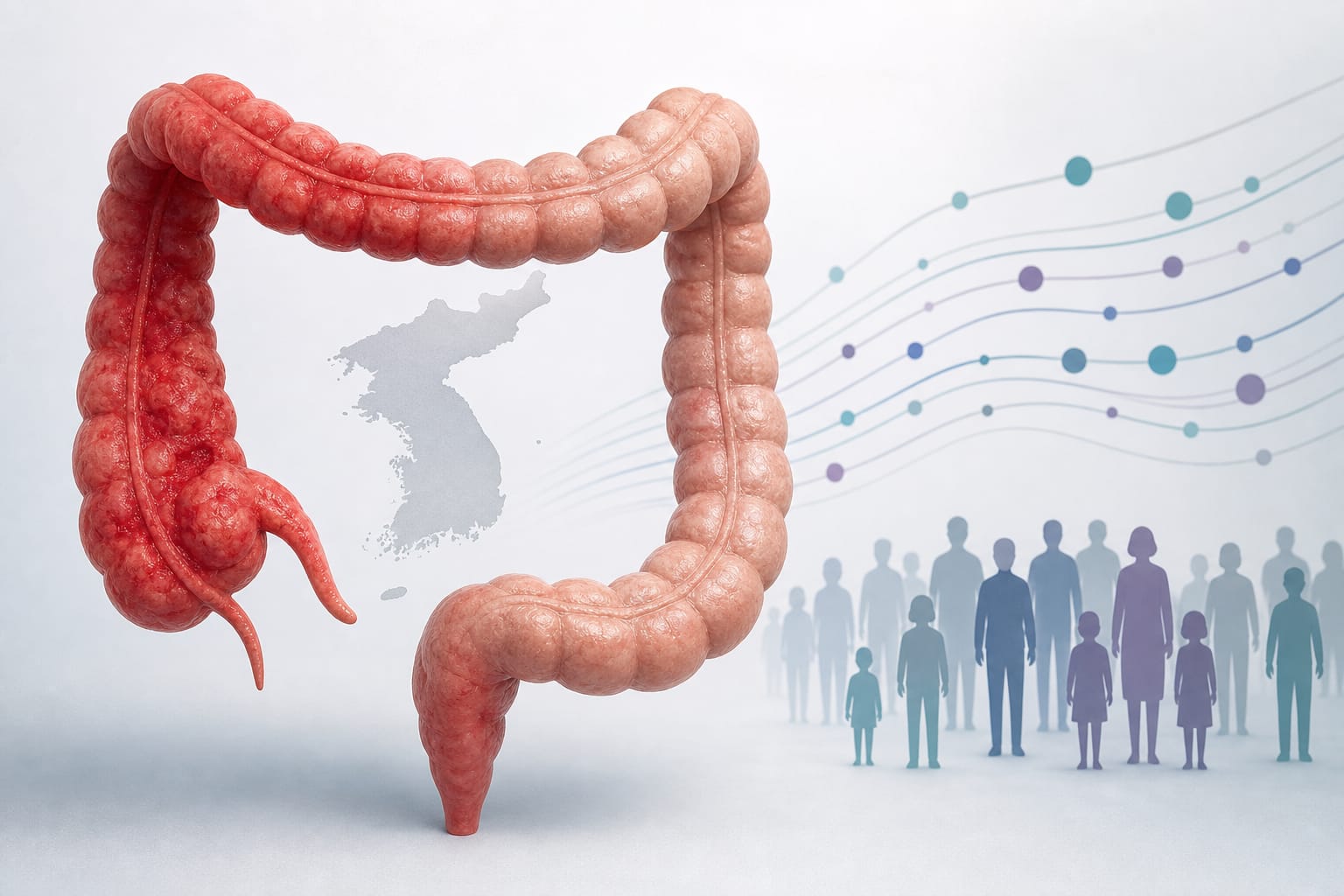
To identify new disease targets for ulcerative colitis (UC) and inform clinical diagnosis and treatment.
Approach:
Data Integration: Integrated single-cell RNA sequencing (scRNA-seq) and bulk transcriptome data from UC patients.
Biomarker Screening: Screened key biomarkers and constructed a nomogram diagnostic model using machine learning algorithms (LASSO, SVM-RFE, and Boruta).
In Situ Validation: Conducted validation on mucosal tissue sections from clinical UC and healthy controls using multiplex immunofluorescence.
Mechanistic Investigation: Employed scTenifoldKnk and CellChat analyses to investigate intracellular mechanisms of RNF213 regulation in Tregs.
Compound Prediction: Predicted potential targeted compounds based on the DSigDB and HERB databases.
Key Findings:
Identified five UC-specific ubiquitination biomarkers: ZC3H12A, ENC1, RNF213, MAP3K5, and RMND5A.
RNF213 showed superior diagnostic performance with an AUC greater than 0.9 in both training and validation cohorts.
RNF213 was enriched in mucosal Tregs from UC patients, with increased RNF213+ Tregs compared to healthy controls.
In-silico analysis suggested RNF213+ Tregs may be linked to mitochondrial proton transport and ATP synthesis.
CellChat analysis predicted altered ligand-receptor interactions among RNF213+ Tregs and other immune cell populations.
Interpretation:
RNF213 is identified as a biomarker enriched in UC-associated mucosal Tregs.
Limitations:
The study's findings are based on specific datasets and may not be generalizable to all UC populations.
Further validation in larger cohorts is necessary to confirm the diagnostic utility of RNF213.
Conclusion:
RNF213+ Tregs may represent a distinct Treg subset.