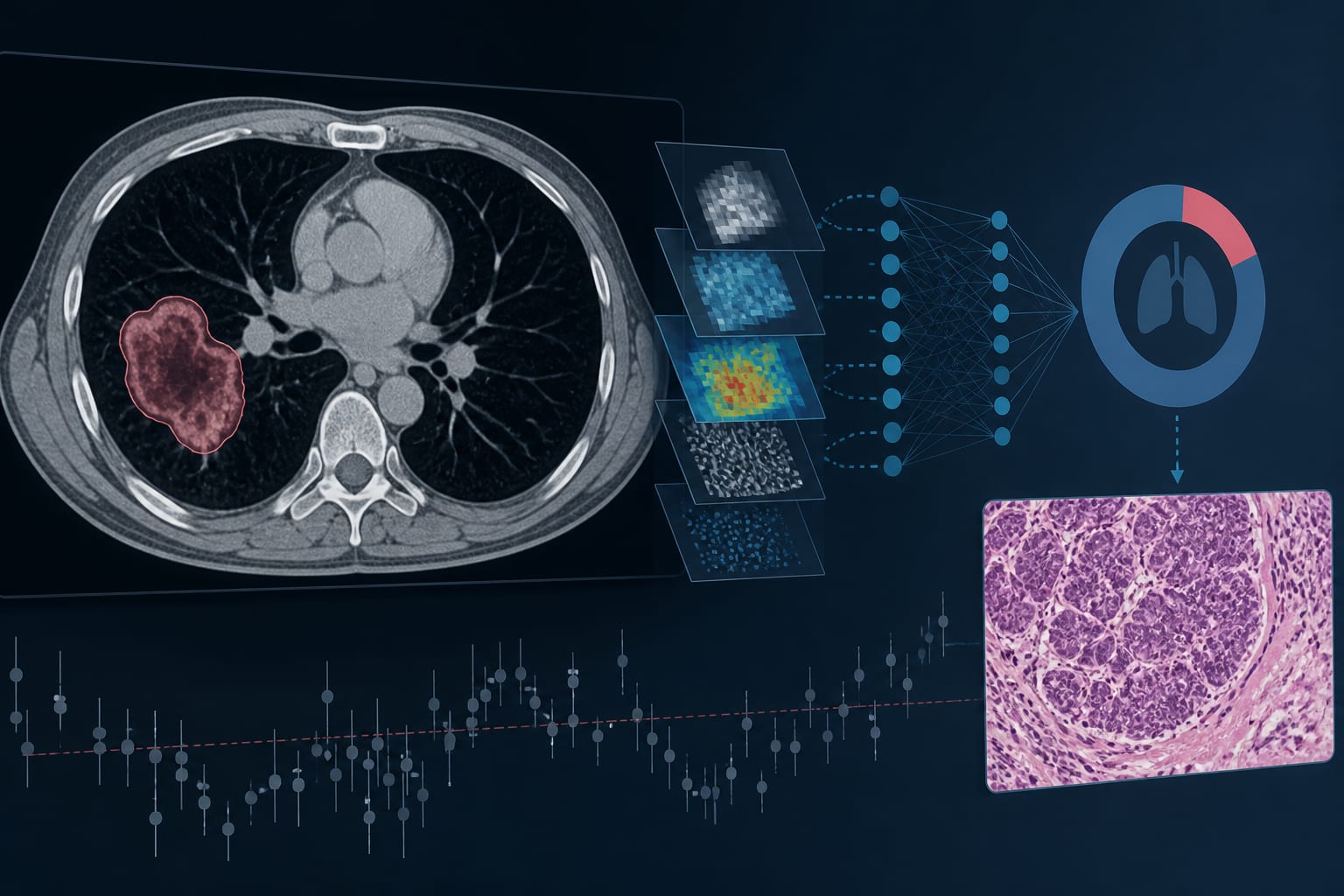
To evaluate the effectiveness of radiomics-based AI in predicting pathological response following neoadjuvant immunochemotherapy for resectable non-small cell lung cancer.
Approach:
Meta-analysis: The study synthesizes data from various AI validation datasets and compares them with conventional criteria for assessing pathological complete response.
Key Findings:
AI sensitivity was higher (0.77) compared to conventional methods (0.42), while specificity was lower (0.79 vs 0.97), indicating a trade-off in predictive performance.
The study population was limited to patients who underwent radical resection, excluding those who did not reach surgery, which may affect the applicability of the findings.
Interpretation:
The reported results do not demonstrate overall superiority of AI without same-patient data and prespecified costs for false-positive and false-negative decisions.
Limitations:
The meta-analysis combines predictions from different treatment stages, which may affect clinical applicability.
Patients who failed to undergo surgery due to various reasons were excluded from the analysis, potentially limiting the generalizability of the results.
Misinterpretations of RECIST criteria and definitions of pathological response could lead to inaccuracies.
Conclusion:
Future studies should enroll patients at treatment initiation and compare AI with conventional methods while retaining dependence to better assess the impact of radiomics on decision-making.
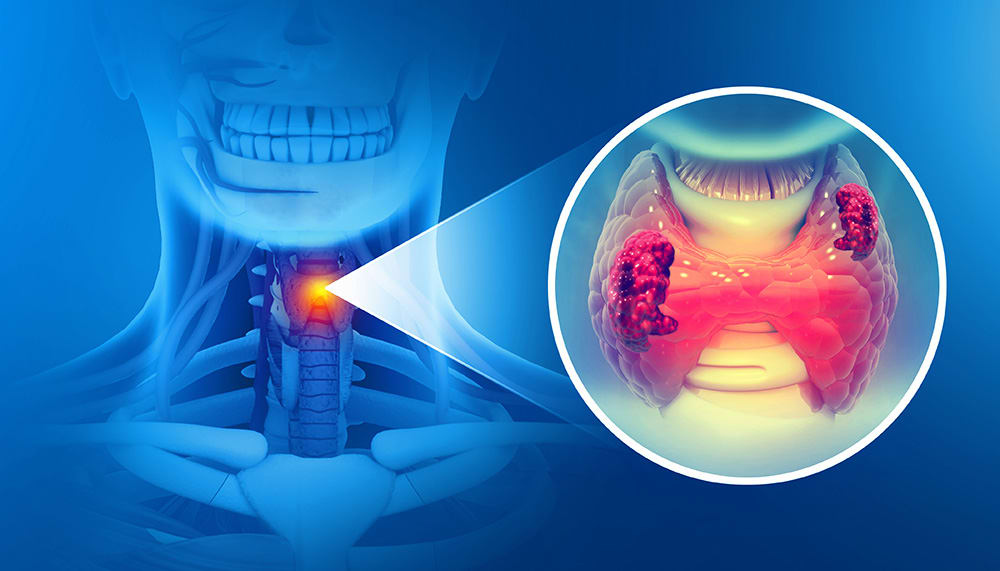
Thyroid cancer is usually a highly treatable malignancy with overall five-year survival rates over 98%. Many patients with thyroid cancer go on to live for several decades after their disease is cured.