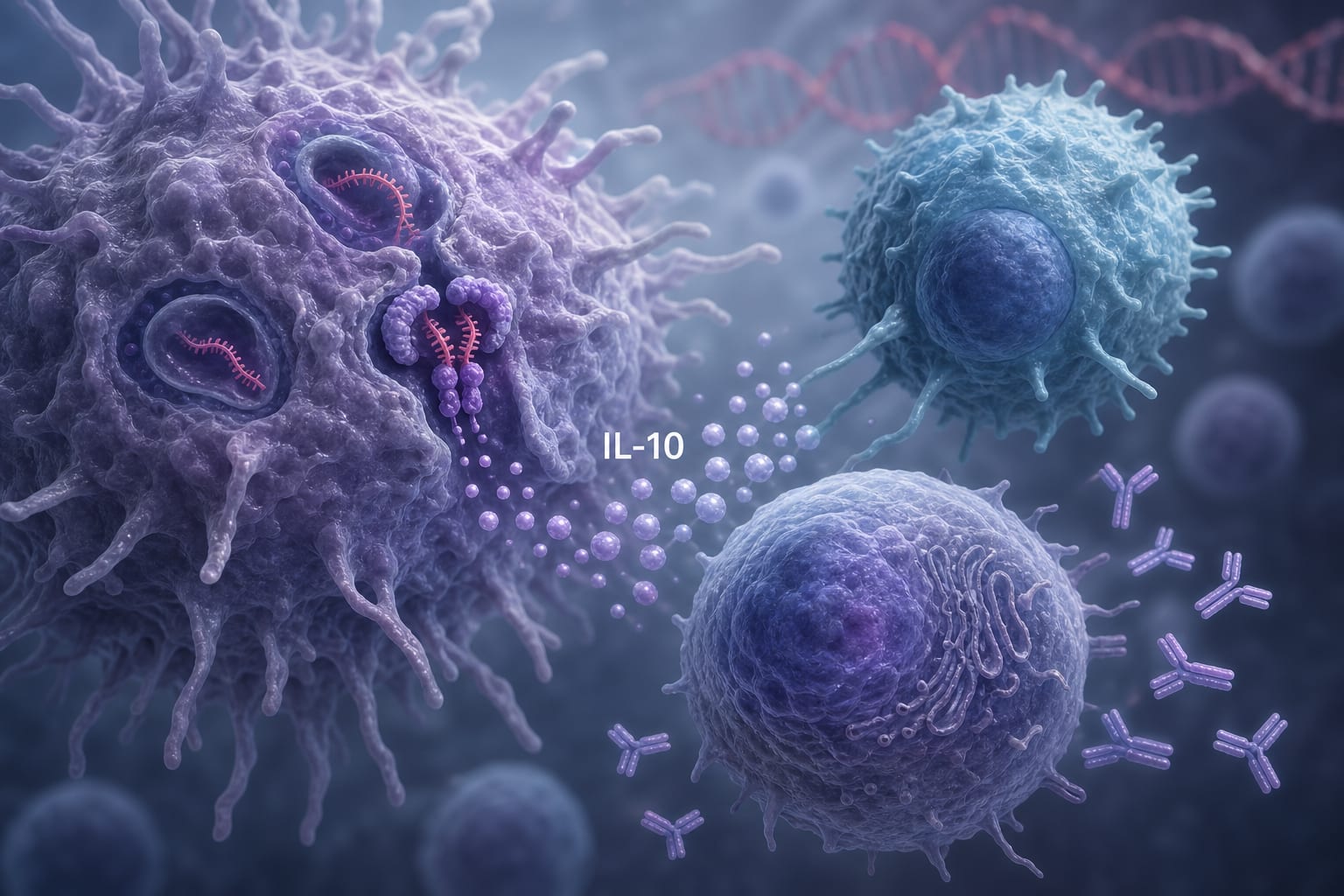
To synthesize evidence for accelerated immunosenescence in systemic lupus erythematosus (SLE) and its clinical implications, highlighting the importance of these findings for patient management.
Accelerated immunosenescence is linked to increased susceptibility to infections and suboptimal vaccine responses, necessitating tailored interventions.
Molecular features include cytokine patterns, telomere attrition, and epigenetic age acceleration, which could serve as biomarkers for future research.
Current immune-aging measures are candidate research biomarkers, not validated clinical tools, highlighting the need for further validation.
Interpretation:
Accelerated immunosenescence provides a framework for understanding SLE heterogeneity across systemic, cellular, and molecular levels, with implications for patient management.
Limitations:
Most investigations remain fragmented with substantial methodological heterogeneity, indicating a need for standardized approaches.
Prospective SLE-specific studies are needed to establish predictive value and clinical utility, particularly in diverse populations.
Conclusion:
Immunosenescence in SLE represents a biologically plausible framework for understanding disease progression, but further research is urgently required to validate these findings.