Effects of repetitive peripheral magnetic stimulation on upper extremity motor function recovery after stroke: a meta-analysis and dose-response study - Summary - MDSpire
Advertisement
Effects of repetitive peripheral magnetic stimulation on upper extremity motor function recovery after stroke: a meta-analysis and dose-response study
To systematically analyze and quantitatively evaluate the optimal stimulation parameters of rPMS for improving upper limb motor function in stroke patients, focusing on specific parameters such as frequency, intensity, and duration.
Key Findings:
rPMS significantly improved FMA-UE scores (SMD = 0.91, 95% CI 0.31–1.51; p = 0.003) and reduced spasticity (SMD = -1.15, 95% CI -1.80 to -0.49; p = 0.0006).
Optimal stimulation parameters included 10 Hz frequency, 10-20 min duration per session, 20-55% MSO intensity, and treatment duration of ≥21 days.
Neural-targeted stimulation was superior to muscle-targeted approaches during the subacute stroke window (SMD = 0.81 vs. 0.47; p = 0.006).
Interpretation:
The therapeutic effects of rPMS may be linked to homeostatic plasticity and beta-band corticomuscular coherence, particularly effective in the subacute phase of stroke, warranting further exploration of these mechanisms.
Limitations:
Variability in rPMS dosage parameters across studies.
Limited to randomized controlled trials, potentially excluding relevant data from other study designs.
Potential biases in included studies that may affect the generalizability of findings.
Conclusion:
Current evidence supports the use of rPMS in stroke rehabilitation, providing a scientific basis for its clinical application under optimal parameters.
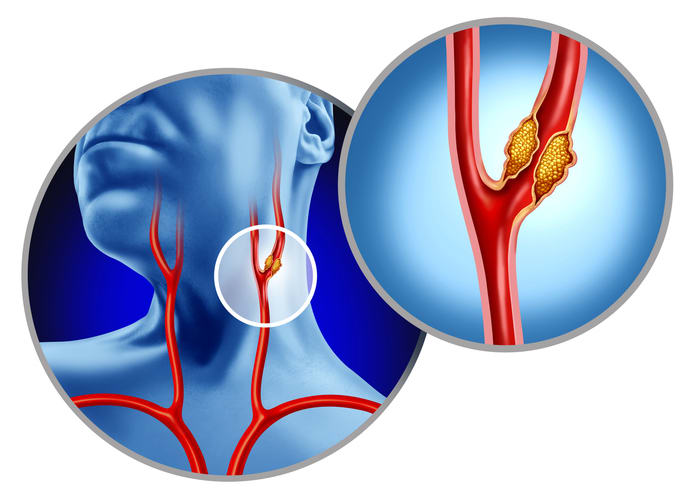
In this procedural case review, vascular surgeon Dr. Samuel Steerman performs a right carotid endarterectomy on a woman in her 60s who experienced a stroke related to carotid artery plaque.