Image-domain deep learning denoising for low-dose chest CT on a single 128-slice CT platform: a retrospective image-quality assessment - Summary - MDSpire
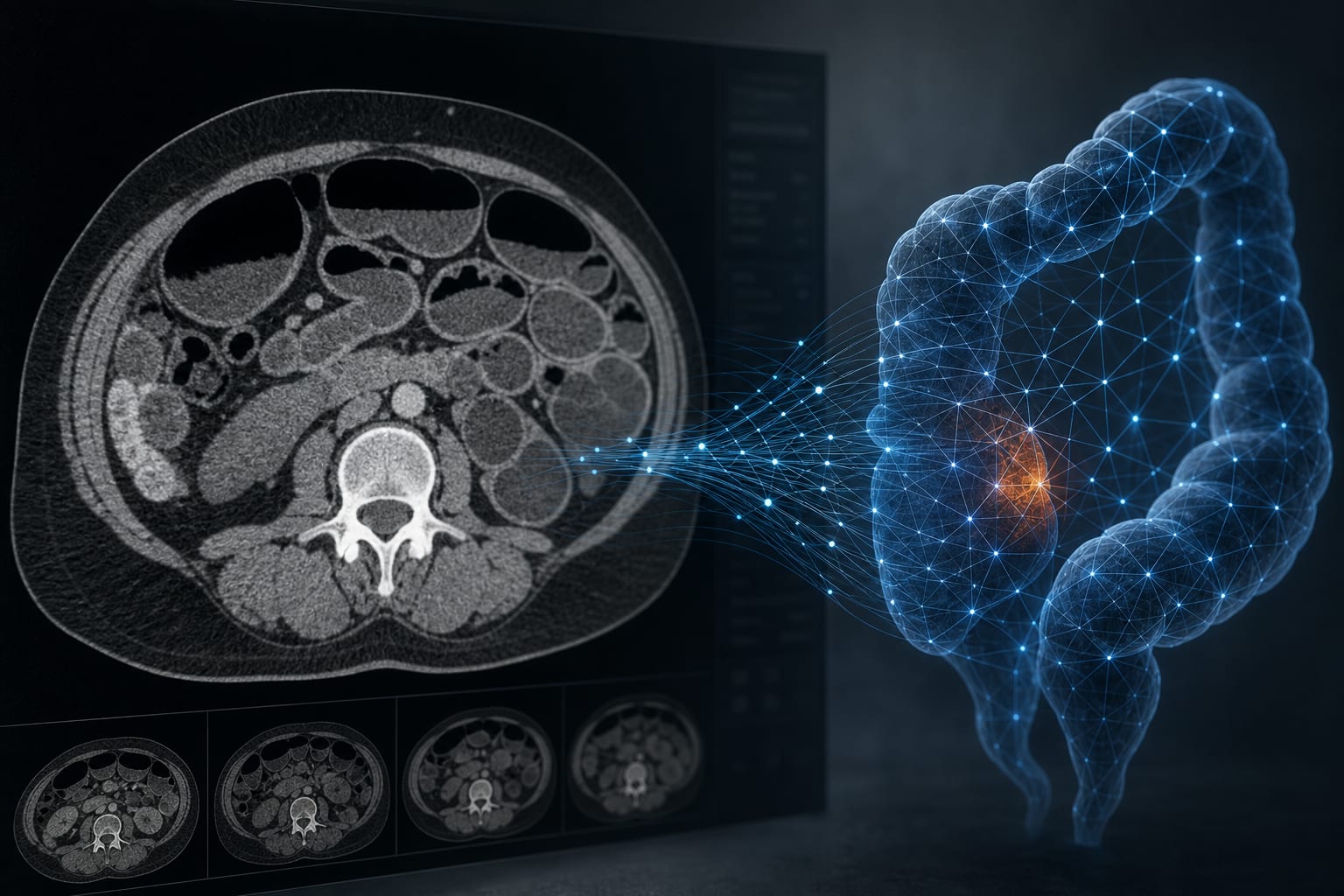
To evaluate the effectiveness of a vendor-independent image-domain deep learning denoising algorithm in improving image quality of low-dose chest CT compared to standard-dose iterative reconstruction.
Approach:
Study Design: Retrospective study involving 198 patients who underwent unenhanced chest CT, divided into low-dose (LDCT) and standard-dose (SDCT) groups.
Image Processing: Images were reconstructed using sinogram-affirmed iterative reconstruction (SAFIRE) and low-dose images were additionally processed with a deep learning denoising algorithm (AiR Denoising).
Quality Assessment: Objective image quality was assessed using various metrics, while subjective quality was evaluated by independent readers using a 5-point scale.
Key Findings:
LD-AiR significantly reduced image noise and increased signal-to-noise ratio and contrast-to-noise ratio compared to LD-SAFIRE (all p < 0.05), but this comparison was based on different patient groups.
Subjective image quality scores for lung parenchyma and mediastinal soft tissue were significantly higher with LD-AiR than with LD-SAFIRE (all p < 0.05).
LDCT protocol had approximately 76% lower effective dose than the SDCT protocol.
Interpretation:
Most objective and subjective image-quality metrics of LD-AiR did not differ significantly from those of SD-SAFIRE; however, this comparison was based on different patient groups and was not designed to establish equivalence or non-inferiority.
Limitations:
The study was retrospective and not randomized, leading to potential biases.
The comparison of image quality metrics was not designed to establish equivalence or non-inferiority.
Conclusion:
Vendor-independent image-domain deep learning denoising improved image quality of low-dose chest CT compared to LD-SAFIRE, indicating potential utility for systems without native deep learning reconstruction.