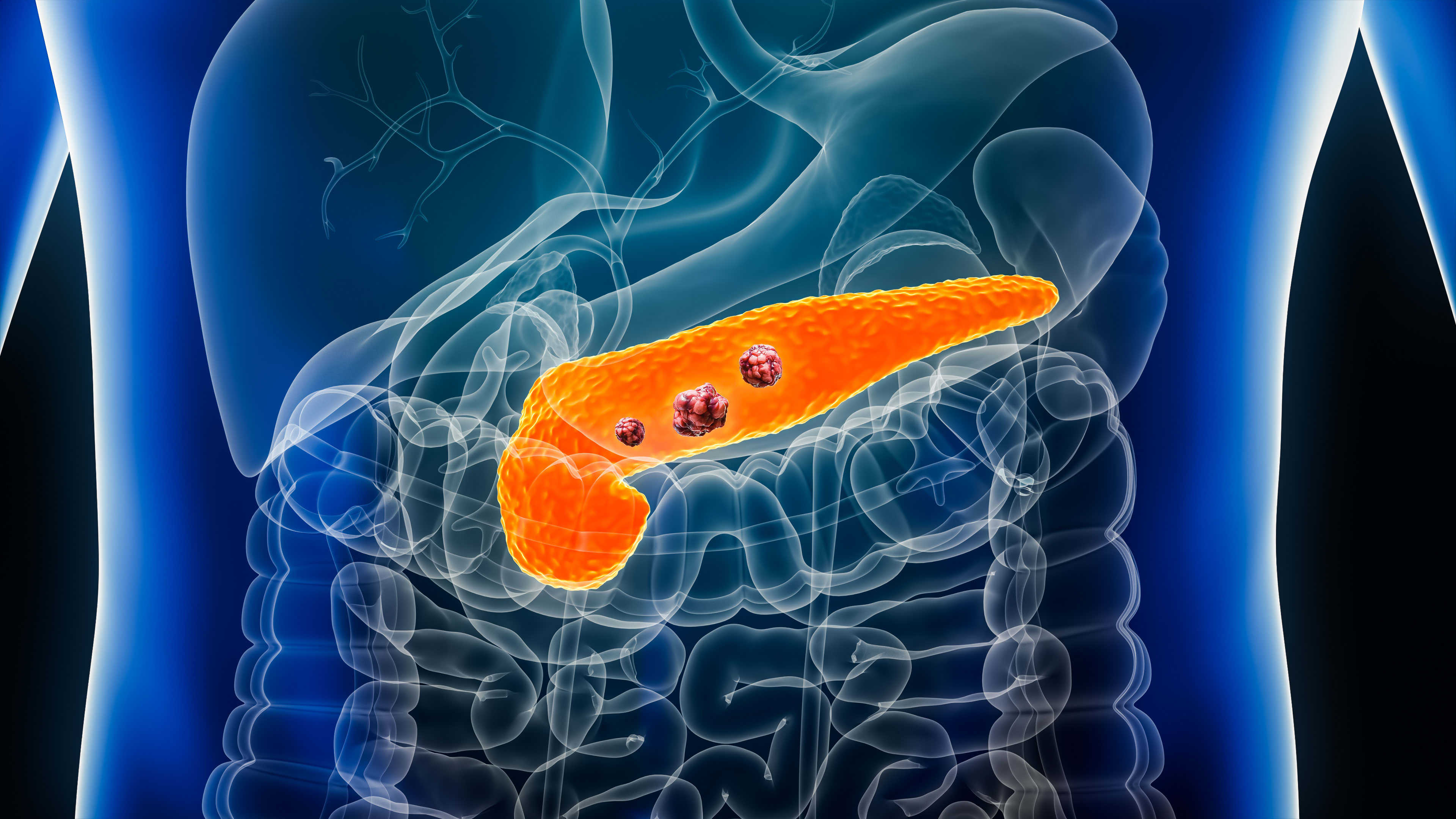
To systematically analyze risk factors for gastrointestinal complications (GICs) such as gastrointestinal bleeding (GIB), gastrointestinal obstruction (GIO), and gastrointestinal perforation (GIP) in patients with primary gastrointestinal lymphoma to improve early identification and treatment outcomes.
Approach:
Key Findings:
56.8% of patients experienced GICs, including GIB, GIO, and GIP, indicating a significant clinical concern.
Aggressive gastrointestinal lymphomas are associated with higher rates of GICs, necessitating closer monitoring.
Timely identification of risk factors can improve patient prognosis and inform treatment strategies.
Interpretation:
The study highlights the prevalence of GICs in patients with primary gastrointestinal lymphoma and emphasizes the critical need for early identification of risk factors to enhance treatment outcomes in clinical practice.
Limitations:
Retrospective design may introduce selection bias, potentially affecting the reliability of the findings.
Limited to a single medical center, which may affect generalizability to broader populations.
Conclusion:
Identifying high-risk patients for GICs is crucial for improving treatment outcomes and overall survival in primary gastrointestinal lymphoma.
In the phase 3 PANOVA-3 trial, adding Tumor Treating Fields therapy to gemcitabine and nab-paclitaxel was associated with improved overall survival and delayed pain progression in adults with locally advanced pancreatic cancer.