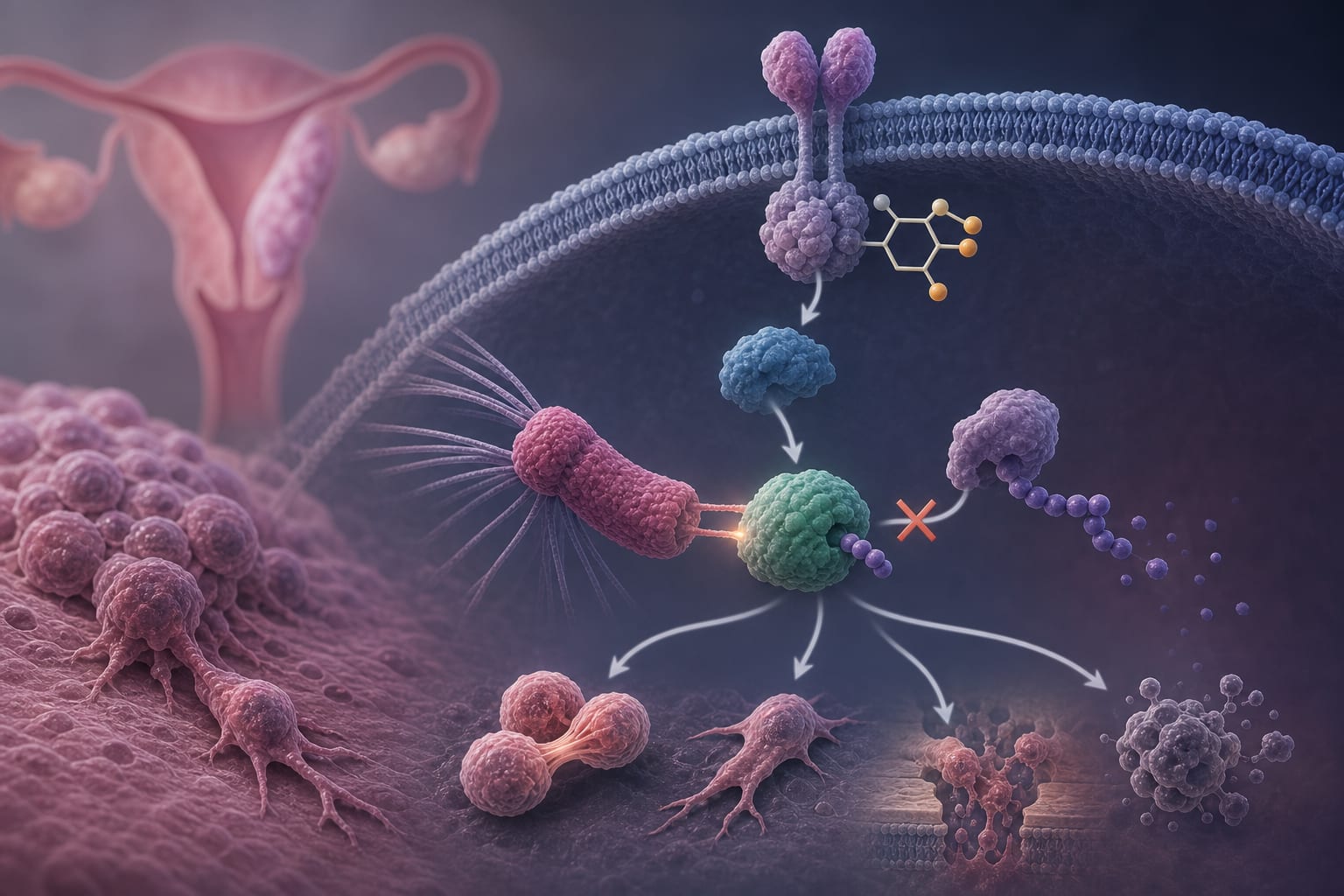
CKAP2L stabilized p-AKT by inhibiting its ubiquitination and activated the PI3K/AKT pathway, while also affecting actin cytoskeletal remodeling.
Interpretation:
CKAP2L promotes malignant behavior in EC by modulating AKT ubiquitination, activating the PI3K/AKT signaling pathway, and influencing actin cytoskeletal remodeling, suggesting its potential as a therapeutic target.
Limitations:
The study primarily focuses on CKAP2L's role without exploring other potential regulatory pathways in detail.
Further clinical validation is needed to confirm findings.
Conclusion:
CKAP2L enhances the malignant behavior of EC cells, indicating its promise as a therapeutic target.