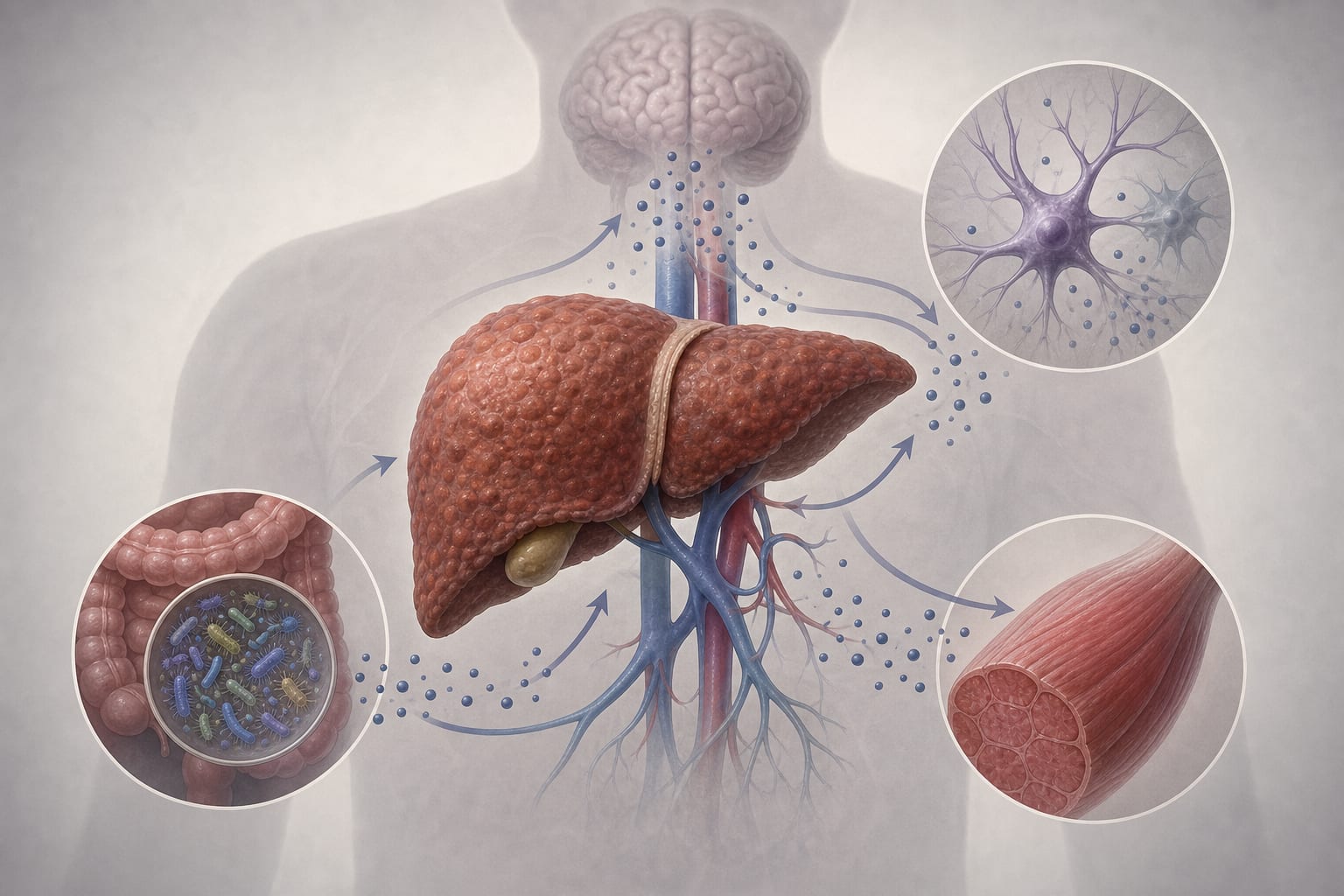
To review the current scenario of MASLD/MASH diagnosis and management in Japan, focusing on epidemiology, diagnosis, treatment strategies, and the significance of patient-centric approaches.
Approach:
Key Findings:
The prevalence of MASLD in Japan was reported at 25.9% in individuals over 50 years in 2019, with a projected rise to 44.8% by 2040 due to increasing metabolic risk factors.
Lean MASLD accounted for 20.7% of the MASLD population in Japan, highlighting the need for awareness of this subgroup.
Emerging therapies and non-invasive assessment methods are reshaping the management of MASLD/MASH, necessitating updated clinical guidelines.
There is a significant increase in MASLD prevalence in Japan, projected to rise to 44.8% by 2040, emphasizing the urgency for effective management strategies.
Interpretation:
The shift from viral to non-viral causes of liver disease in Japan necessitates a personalized treatment approach for MASLD/MASH, given the rising prevalence and associated health risks, which may influence healthcare policy.
Limitations:
Lack of standardized guidelines for MASLD/MASH management, which complicates treatment strategies.
Biological variability and differences in clinical practices complicate treatment strategies, potentially affecting patient outcomes.
Conclusion:
A comprehensive understanding of MASLD/MASH is crucial for effective management in Japan, highlighting the need for awareness, tailored therapeutic approaches, and addressing the identified limitations.