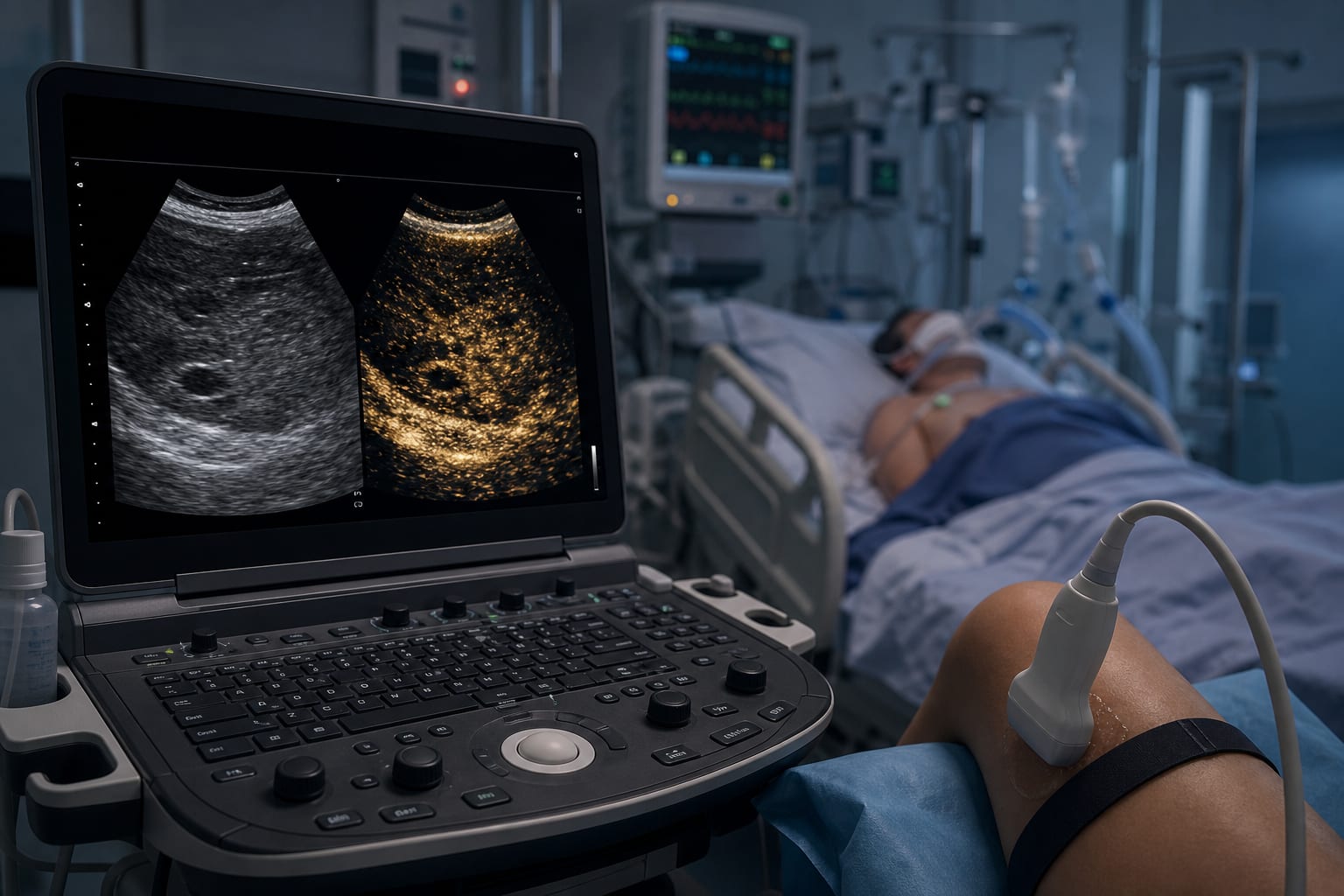
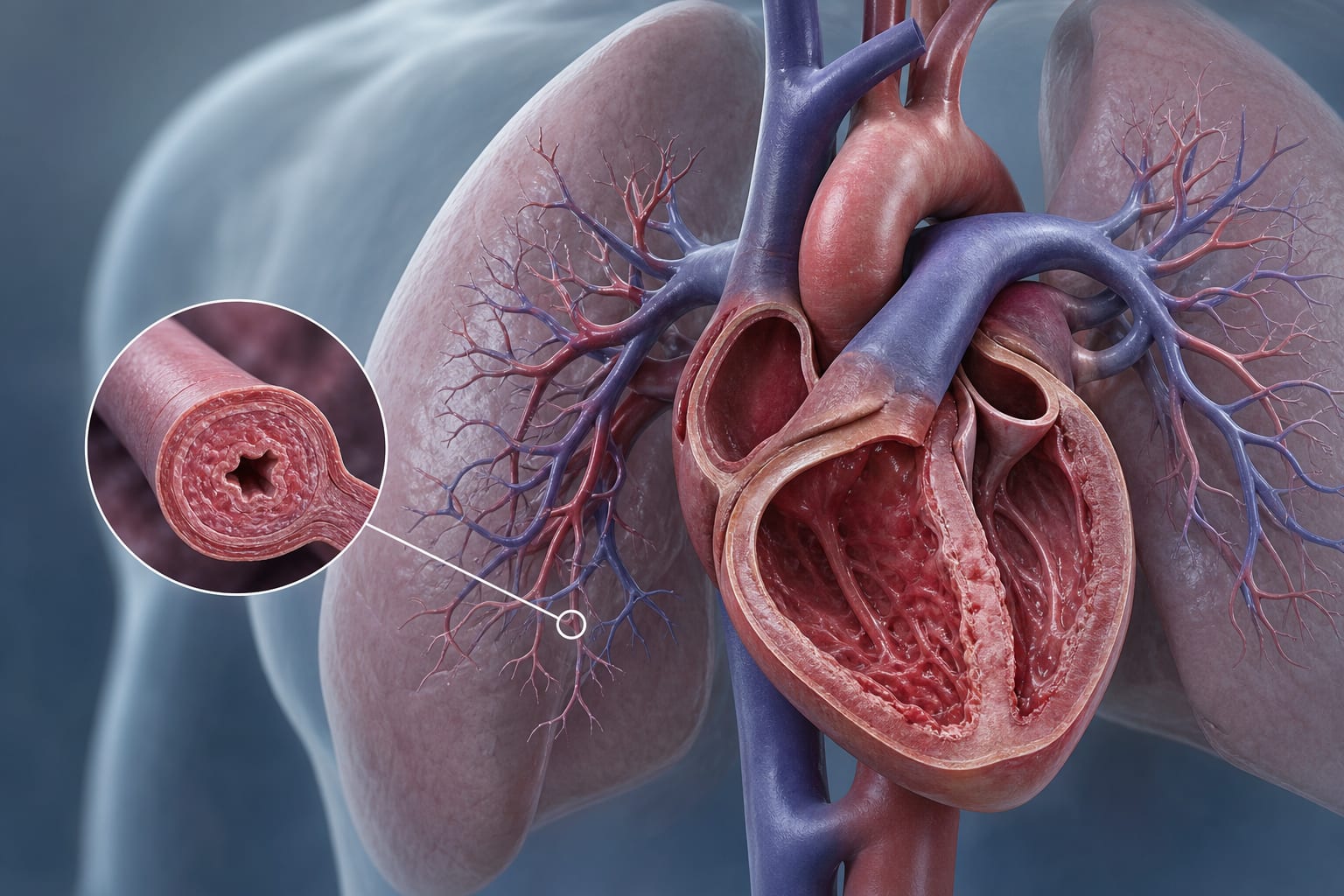
To evaluate the applications of contrast-enhanced ultrasound (CEUS) in assessing organ perfusion and guiding interventions in critically ill patients.
Approach:
Literature Review: The article summarizes evidence and practical applications of CEUS in organ systems commonly encountered in the ICU, integrating current literature with clinical observations.
Key Findings:
CEUS provides sensitive detection of tissue-level perfusion changes, aiding in early identification of organ dysfunction and disease progression.
It allows real-time assessment of microcirculation and tissue perfusion without ionizing radiation or nephrotoxic agents.
CEUS has applications in evaluating renal, gastrointestinal, hepatic, and skeletal muscle perfusion, as well as guiding interventional procedures.
CEUS reduces costs, risks, and the need for unnecessary follow-up imaging compared to conventional modalities.
Interpretation:
CEUS enhances the ability to monitor hemodynamics and supports timely interventions in critical care settings.
Limitations:
Many applications of CEUS in critical care remain investigational.
The effectiveness of CEUS in certain scenarios may require further validation through prospective studies.
Conclusion:
CEUS facilitates early disease recognition and optimization of therapeutic decisions in critical care.