Conexiant’s news site is now MDSpire News. Learn more
Advertisement
Dry Eye: Addressing Diabetic Keratopathy
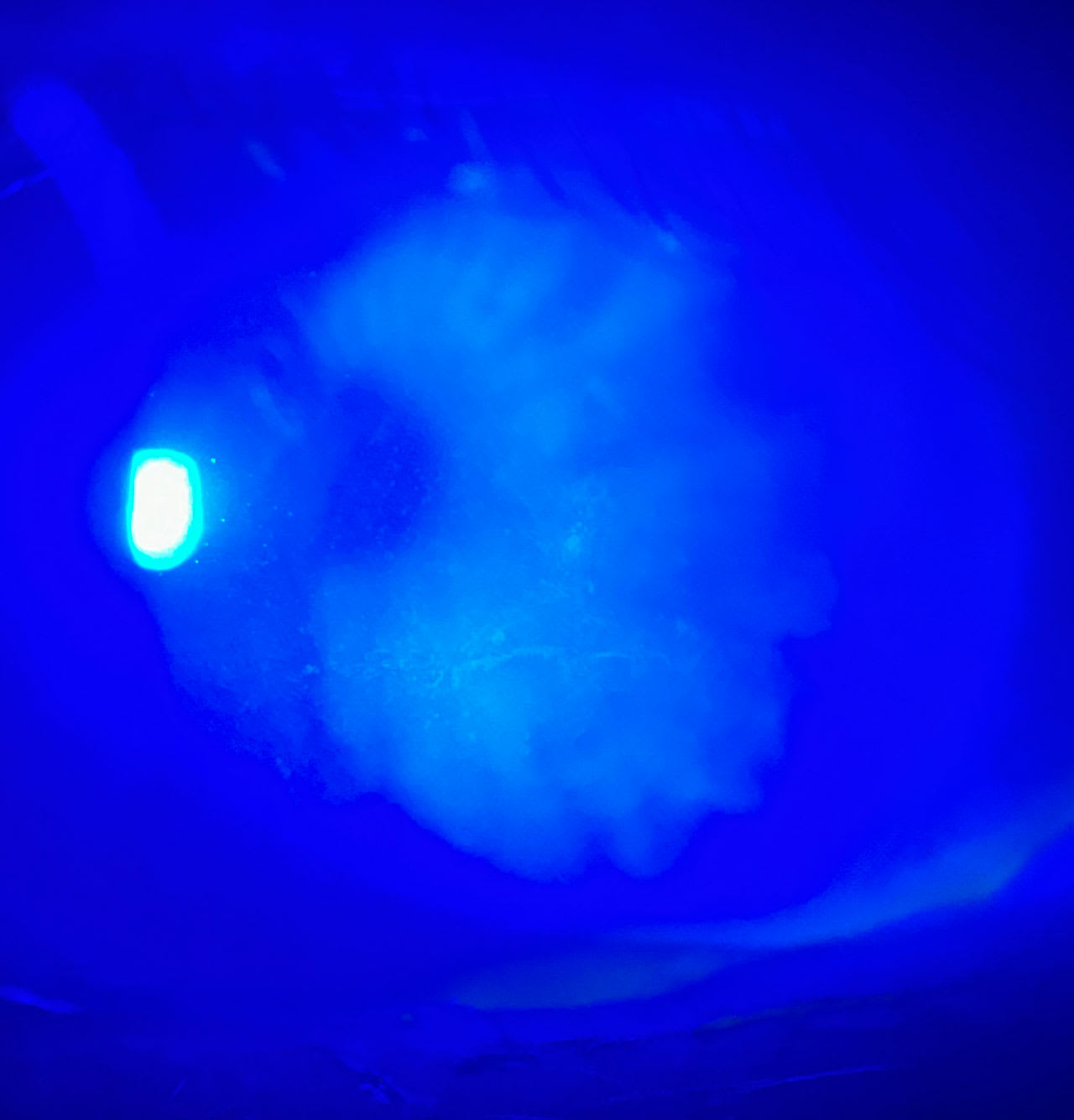
Diabetic patients have an increased risk of corneal disorders, including superficial punctate keratitis, recurrent corneal erosions, persistent epithelial defects, corneal ulcers, and a higher likelihood of developing dry eye disease (DED).These corneal changes comprise the condition diabetic keratopathy.
To highlight the significance of diagnosing and managing diabetic keratopathy (DK) in diabetic patients, as it poses a serious threat to vision, potentially leading to severe complications such as corneal ulcers and vision loss.
Approach:
Key Findings:
46% to 64% of diabetic patients develop diabetic keratopathy, which is often misdiagnosed as dry eye disease or neurotrophic keratitis, complicating treatment.
Key symptoms include chronic inflammation, decreased corneal sensation, and delayed wound healing, which can lead to further complications.
Interpretation:
Effective diagnosis and management of DK are crucial for preserving vision in diabetic patients, necessitating collaboration with primary care providers and endocrinologists to optimize blood glucose control and overall patient health.
Limitations:
The article does not provide extensive data on the long-term outcomes of DK treatments.
Limited information on the prevalence of DK in various demographics.
There is a lack of consensus on standardized treatment protocols for DK.
Conclusion:
Recognizing the signs of diabetic keratopathy and implementing appropriate management strategies can significantly improve visual health in diabetic patients.