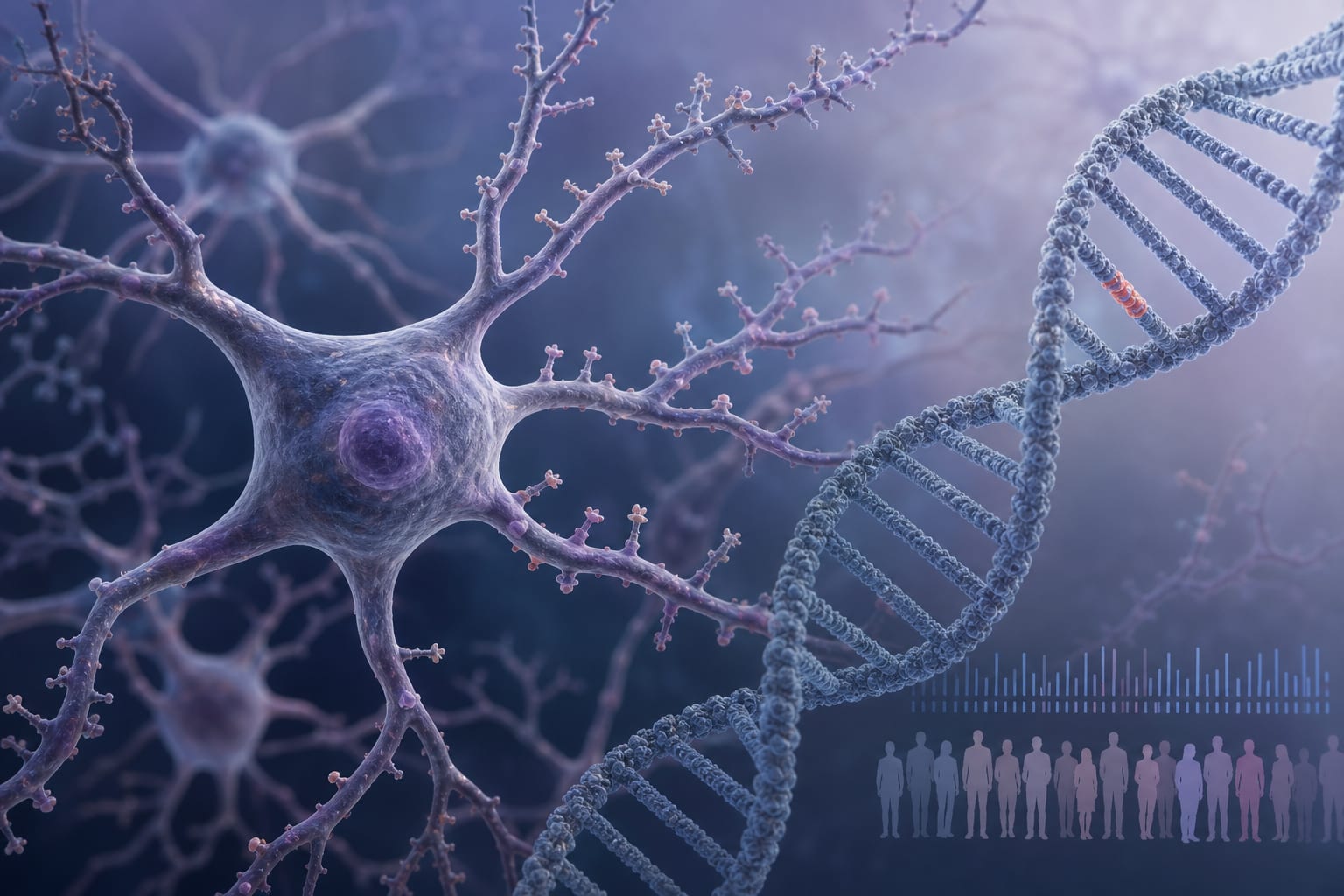
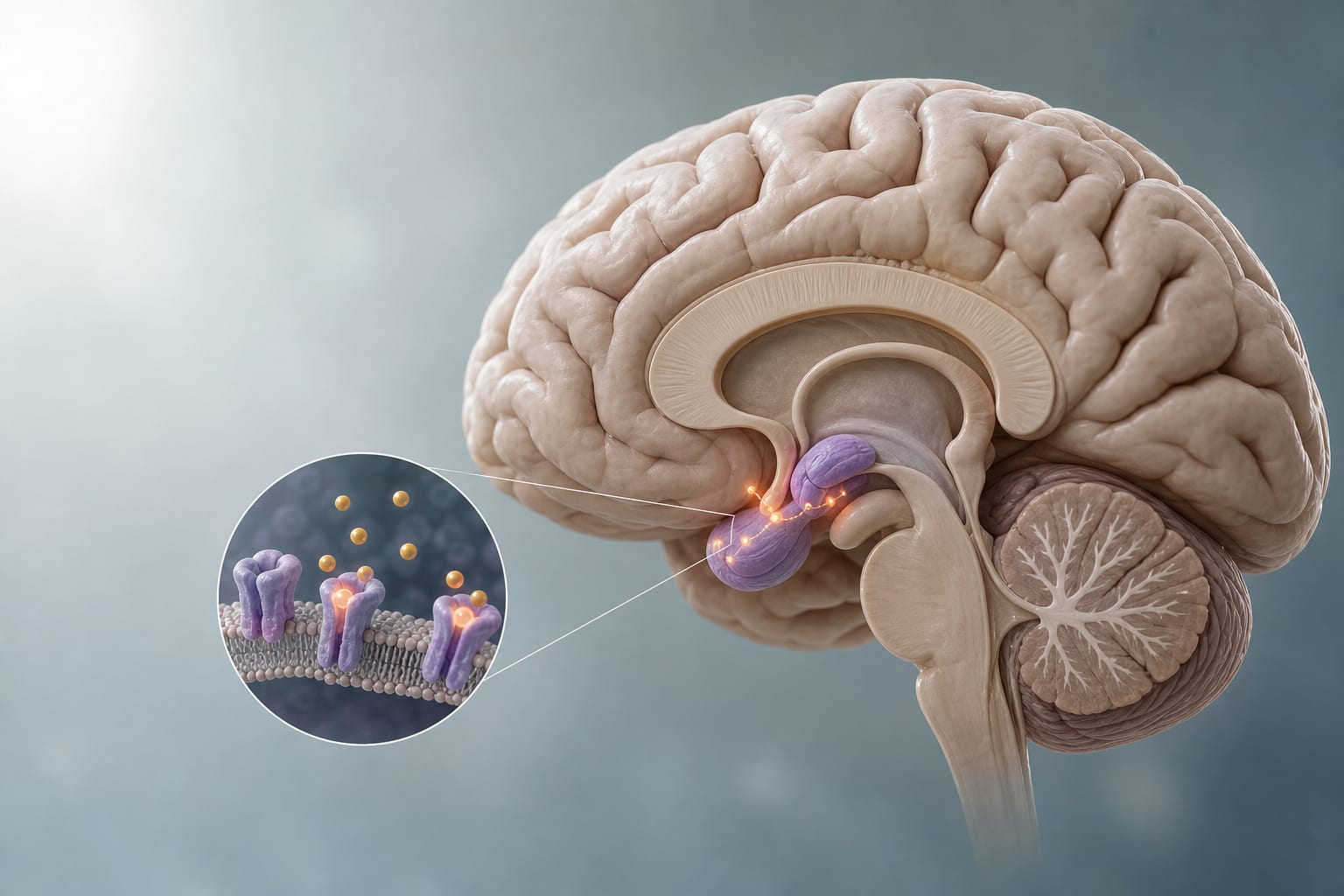
To investigate the association of common genetic variations in the MAP2 gene with schizophrenia susceptibility in a Han Chinese cohort.
Approach:
Study Design: Candidate gene association study involving 418 schizophrenia patients and 418 matched healthy controls.
Genotyping: Targeted sequencing was used to genotype single nucleotide polymorphisms (SNPs).
Expression Analysis: MAP2 mRNA levels were quantified by RT-qPCR and correlated with genotypes and clinical symptoms.
Bioinformatics: Functional annotation of risk loci was performed using bioinformatic tools.
Key Findings:
Multiple MAP2 SNPs were identified as associated with schizophrenia risk.
The AA genotype of rs288057 and the GG genotype of rs288087 were significantly linked to increased disease risk (OR = 2.393 and 2.258, respectively).
Patients exhibited reduced peripheral MAP2 mRNA levels compared to controls, correlated with specific genotypes.
MAP2 expression levels positively correlated with the severity of negative symptoms (SANS score).
ROC analysis indicated MAP2 expression levels distinguished patients from controls with an AUC of 0.728.
The risk AA at rs288057 and GG at rs288087 were correlated with lower mRNA levels, supported by significant eQTL effects in the GTEx and BrainSeq databases.
In silico annotation suggested rs288087 resides within a putative enhancer region, while rs288057 may affect a promoter-proximal regulatory site.
Interpretation:
Non-coding variants in the MAP2 gene may reduce its expression through distinct regulatory mechanisms, which is linked to negative symptoms in schizophrenia.
Conclusion:
MAP2 is identified as a schizophrenia risk gene, with its downregulation potentially contributing to the pathophysiology of the disorder.