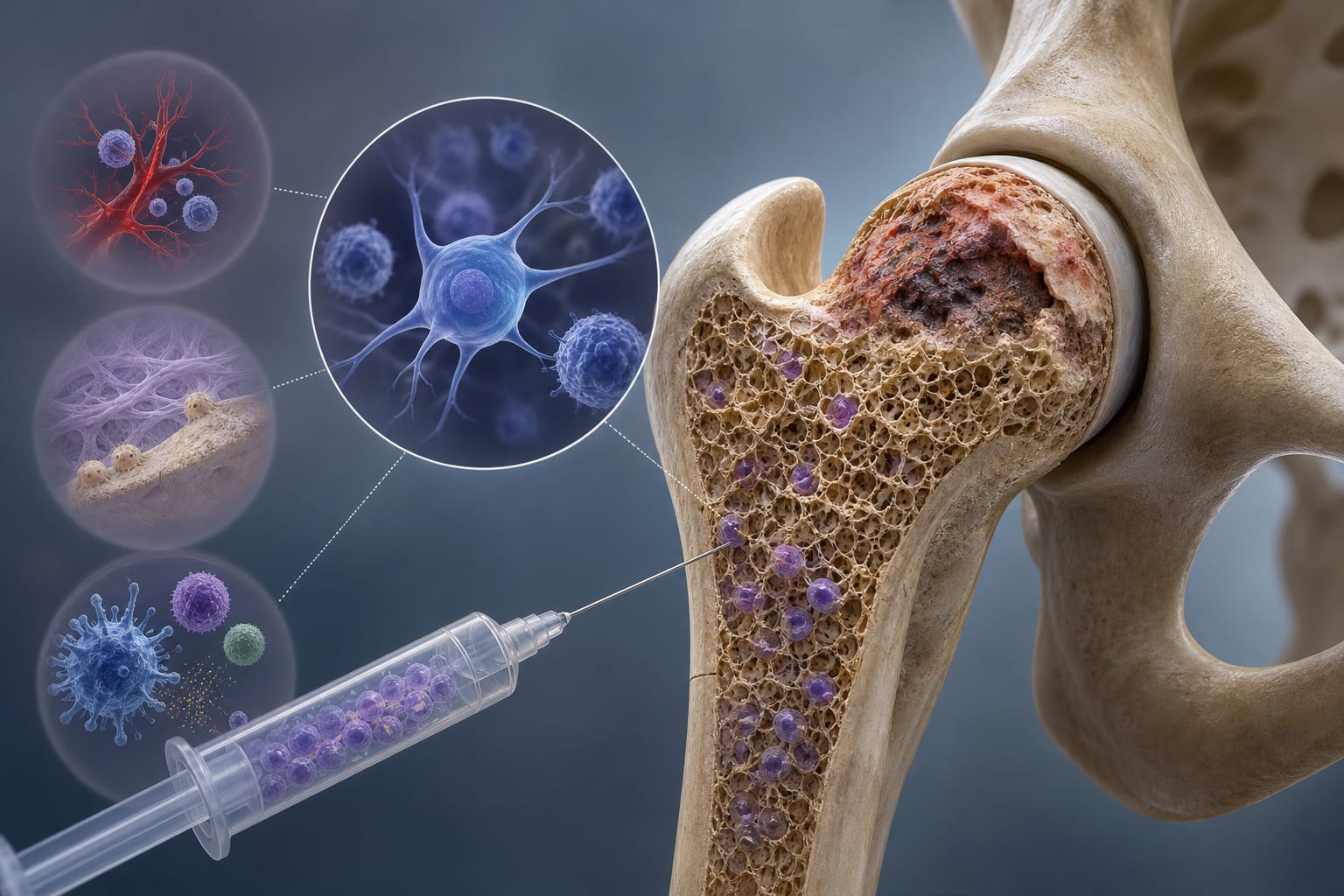
To summarize the available evidence, issues, and future trends in optimizing stem cell therapies for osteonecrosis, highlighting its clinical significance.
Key Findings:
Osteonecrosis leads to bone architecture weakness and joint dysfunction due to ischemia.
Key risk factors include traumatic injuries, corticosteroid use, systemic diseases such as lupus and sickle cell anemia.
Interpretation:
SCT may offer a biological repair option for osteonecrosis, potentially addressing underlying physiological deficiencies and improving patient outcomes.
Limitations:
Inconsistent quality of stem cells used in treatments.
Non-standardized protocols across clinical applications.
Optimizing SCT for osteonecrosis requires addressing current limitations and enhancing understanding of the osteonecrotic microenvironment to improve future research directions.
Joint tenderness showed broader associations with concurrent ultrasound abnormalities than patient-reported pain among anti-cyclic citrullinated peptide–positive patients without clinical arthritis.