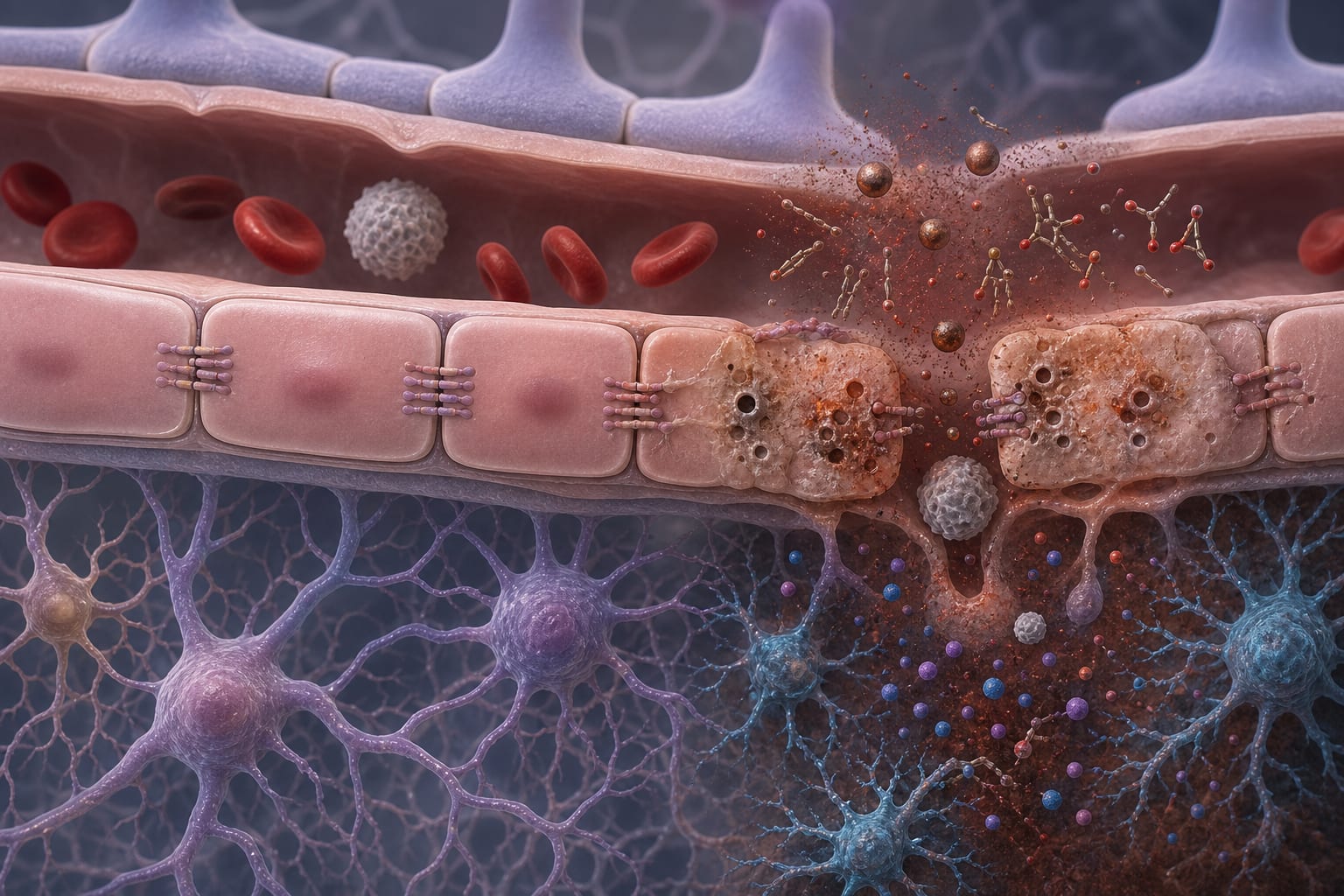
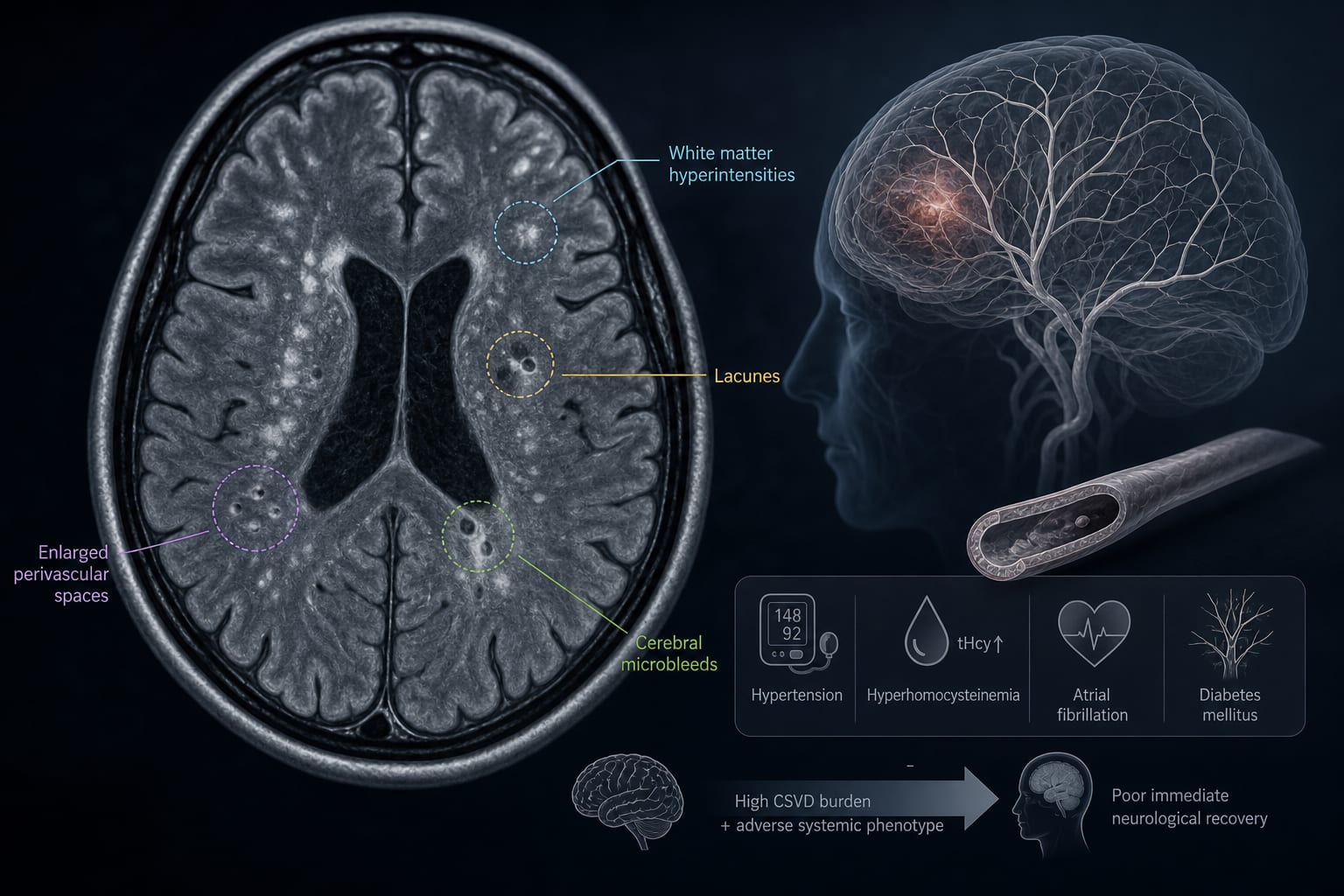
To evaluate the role of ferroptosis in brain microvascular endothelial cells (BMECs) and its implications for blood-brain barrier (BBB) integrity and neuroinflammation, highlighting its significance in the context of existing research.
Key Findings:
BMECs are uniquely vulnerable to ferroptotic stress, which can lead to BBB dysfunction and has significant implications for neuroinflammatory processes.
Ferroptosis in BMECs may contribute to neuroinflammatory responses through mechanisms such as lipid peroxidation and junctional remodeling, affecting overall CNS health.
Direct experimental evidence indicates that BMEC ferroptosis can contribute to hypoxia-induced BBB injury, emphasizing the need for targeted interventions.
The review categorizes evidence into four levels: BMEC-specific direct evidence, BBB-focused in vivo evidence, CNS indirect evidence, and mechanistic analogies from non-CNS endothelial systems, providing a comprehensive framework for understanding.
Interpretation:
Ferroptosis in BMECs represents a potential immunovascular link between BBB dysfunction and neuroinflammation, although many connections remain inferential, warranting further investigation.
Limitations:
The extent of direct causation between BMEC ferroptosis and neuroinflammatory responses varies across experimental models, which may introduce biases.
Several links between ferroptosis and immune signaling are not fully established, indicating gaps in current understanding.
Conclusion:
The review highlights the need for BMEC-specific models, human BBB systems, and careful evaluation of therapeutic strategies targeting endothelial ferroptosis, while emphasizing the importance of future research directions.