To review the mechanisms behind seizure recurrence and its implications for disease progression in epilepsy, emphasizing the significance for treatment development.
Key Findings:
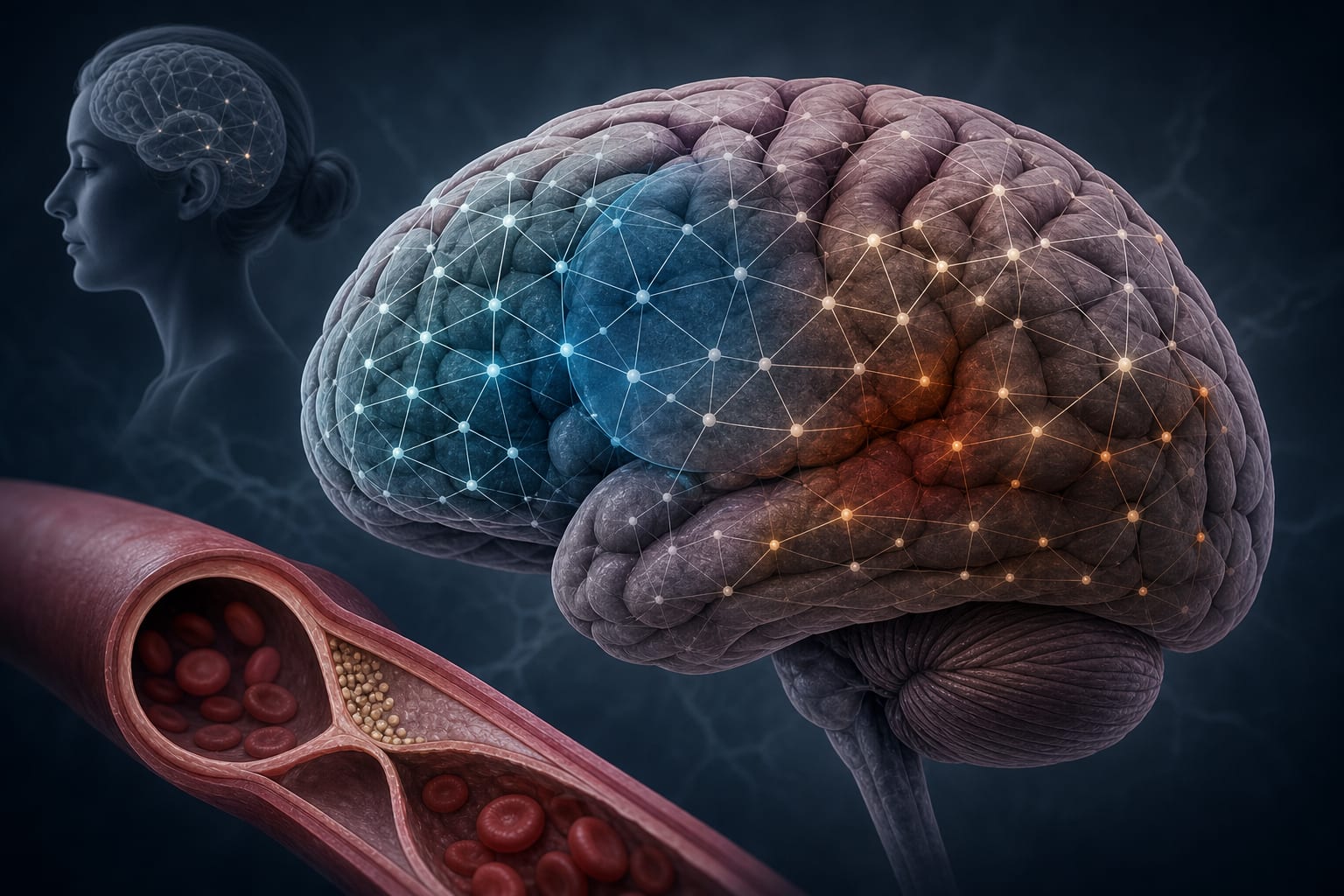
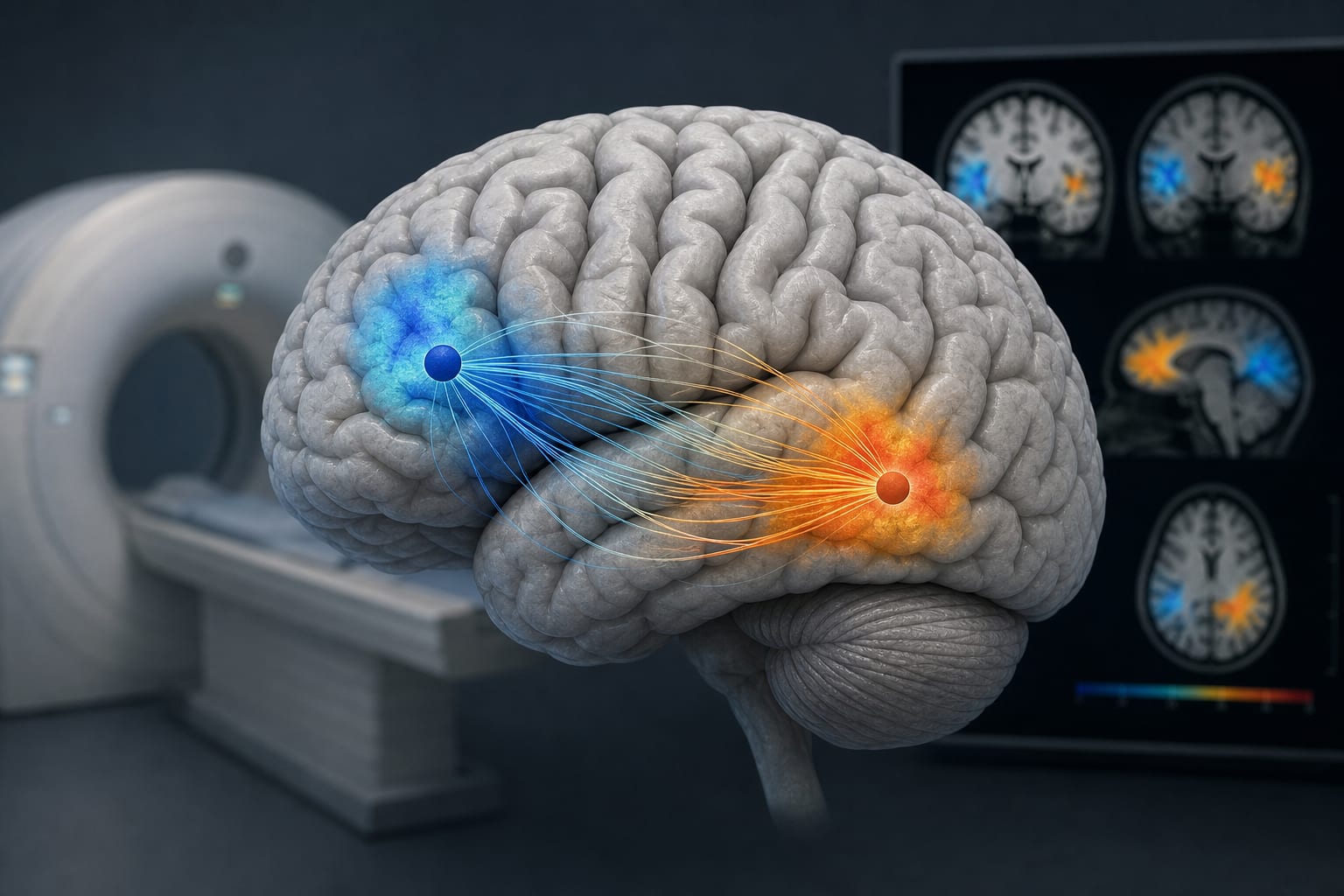
Seizures lead to a cascade of neurochemical, structural, genetic, epigenetic, and neuroinflammatory processes that increase seizure frequency and severity, including impacts on neuropsychiatric comorbidities.
The phenomenon of 'seizures beget seizures' indicates that epilepsy progresses over time, often leading to drug-resistant epilepsy (DRE).
Despite the availability of over 30 antiseizure medications, the rate of DRE has not improved significantly.
Cumulative seizure activity can cause neuronal injury and negatively impact brain health, even without permanent damage from individual seizures.
Interpretation:
Understanding the neurobiology of seizure progression is essential for developing effective treatment strategies aimed at reducing seizure burden and improving patient outcomes, particularly for those with DRE.
Limitations:
The review is based on previously published studies and does not present new data.
The literature search may not encompass all relevant studies published beyond 2025, potentially affecting the review's conclusions.
Conclusion:
Insights from the neurobiology of seizure progression can inform clinical strategies to improve quality of life for patients with epilepsy, particularly those with DRE, emphasizing the need for targeted interventions.