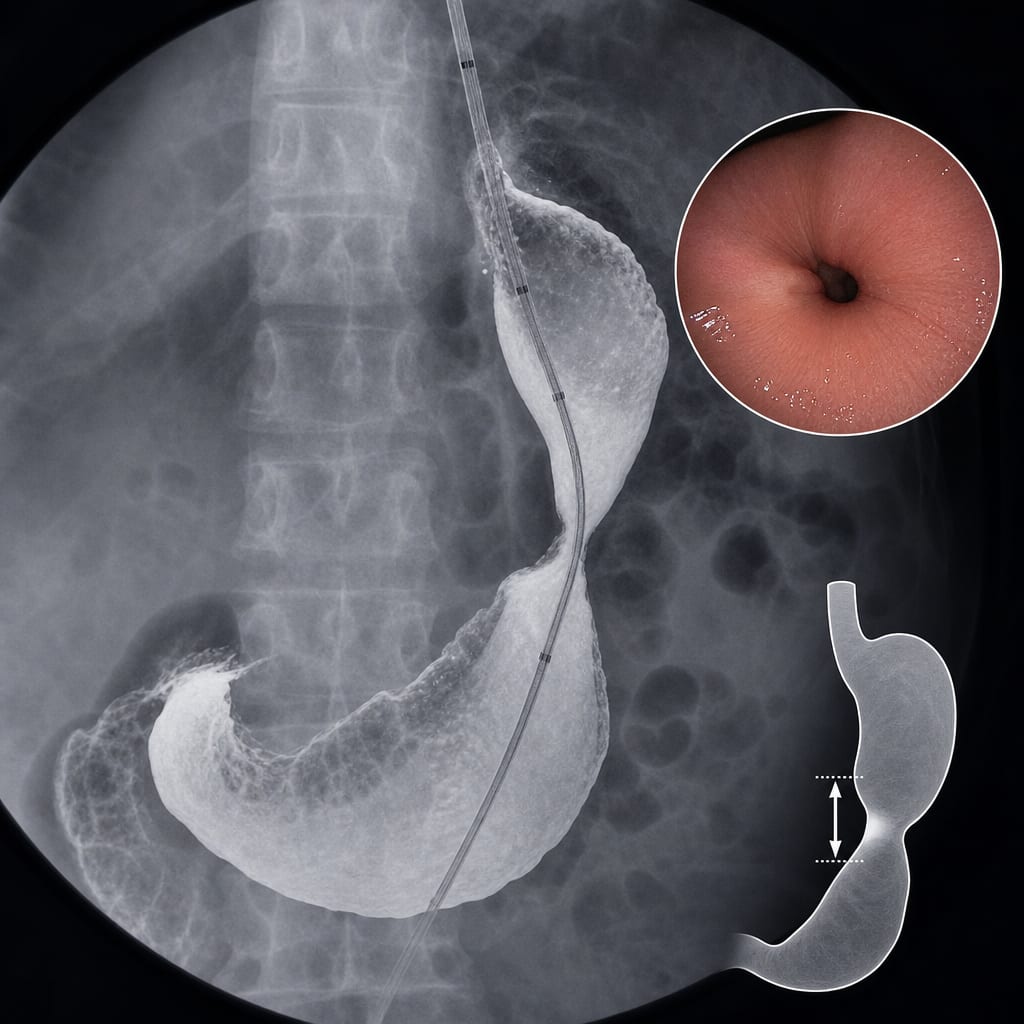
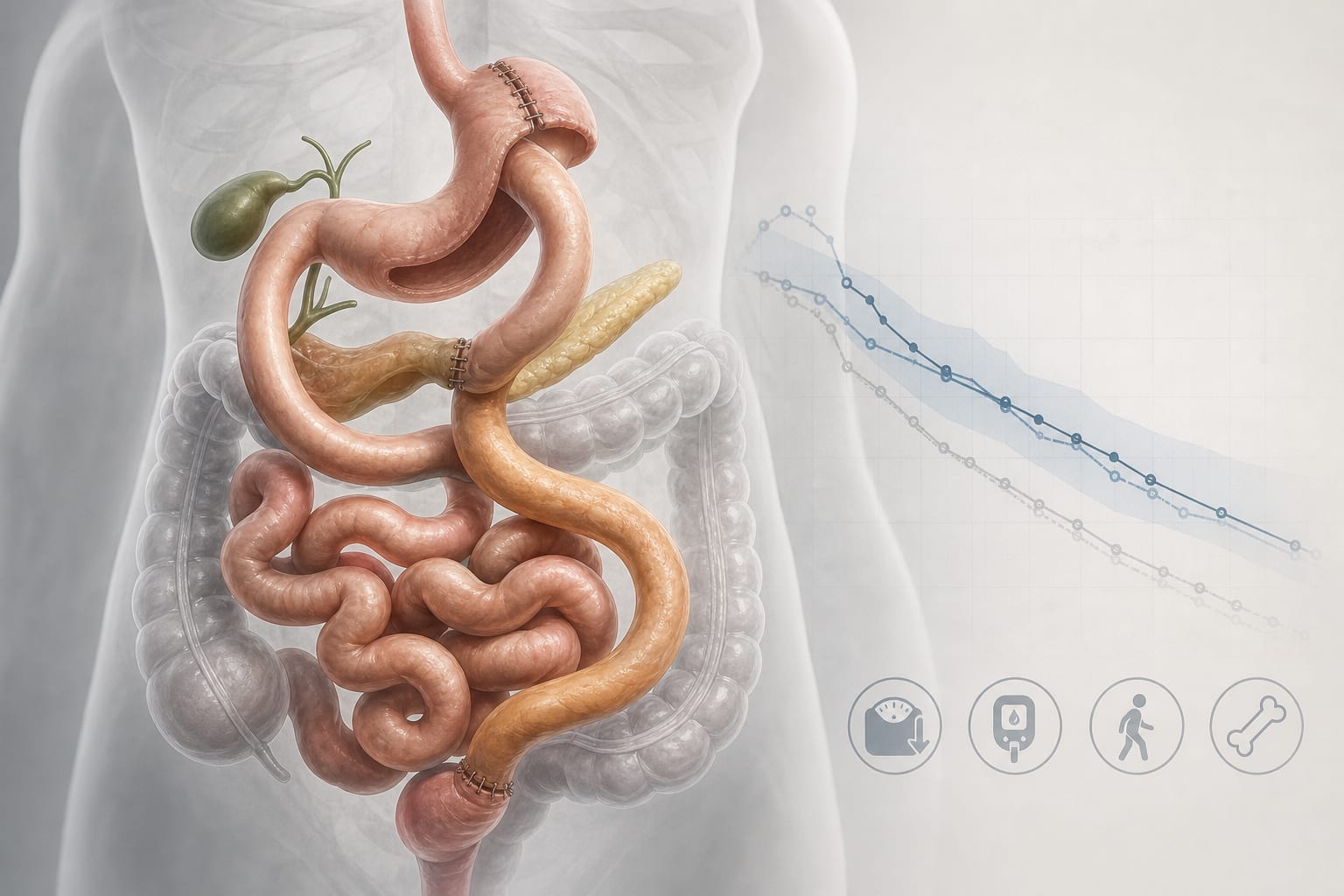
To investigate the long-term psychological impact of Roux-en-Y gastric bypass with silastic ring (SR-RYGB) and sleeve gastrectomy (SG) in patients with obesity and type 2 diabetes, focusing on depressive and anxiety symptoms as well as quality of life.
Key Findings:
Bariatric surgery leads to significant improvements in depressive and anxiety symptoms initially, but these benefits may deteriorate over time, highlighting the need for ongoing support.
The impact of pre-existing mental health conditions on post-surgical outcomes is inconsistent, suggesting a need for tailored psychological interventions.
Routine psychological support is often lacking despite the high prevalence of mental health issues in bariatric surgery patients, indicating a gap in care.
Interpretation:
The study highlights the need for ongoing psychological evaluation and support for patients undergoing bariatric surgery, as psychological outcomes can vary significantly over time, emphasizing the importance of integrating mental health care into surgical programs.
Limitations:
The study did not provide routine psychological support pre- or post-surgery, which may affect outcomes.
Findings may not be generalizable beyond the New Zealand population, limiting the applicability of results to other settings.
Conclusion:
Understanding the psychological impacts of different bariatric procedures is crucial for optimizing patient outcomes and resource allocation in bariatric surgery, and further research is needed to explore these dynamics.