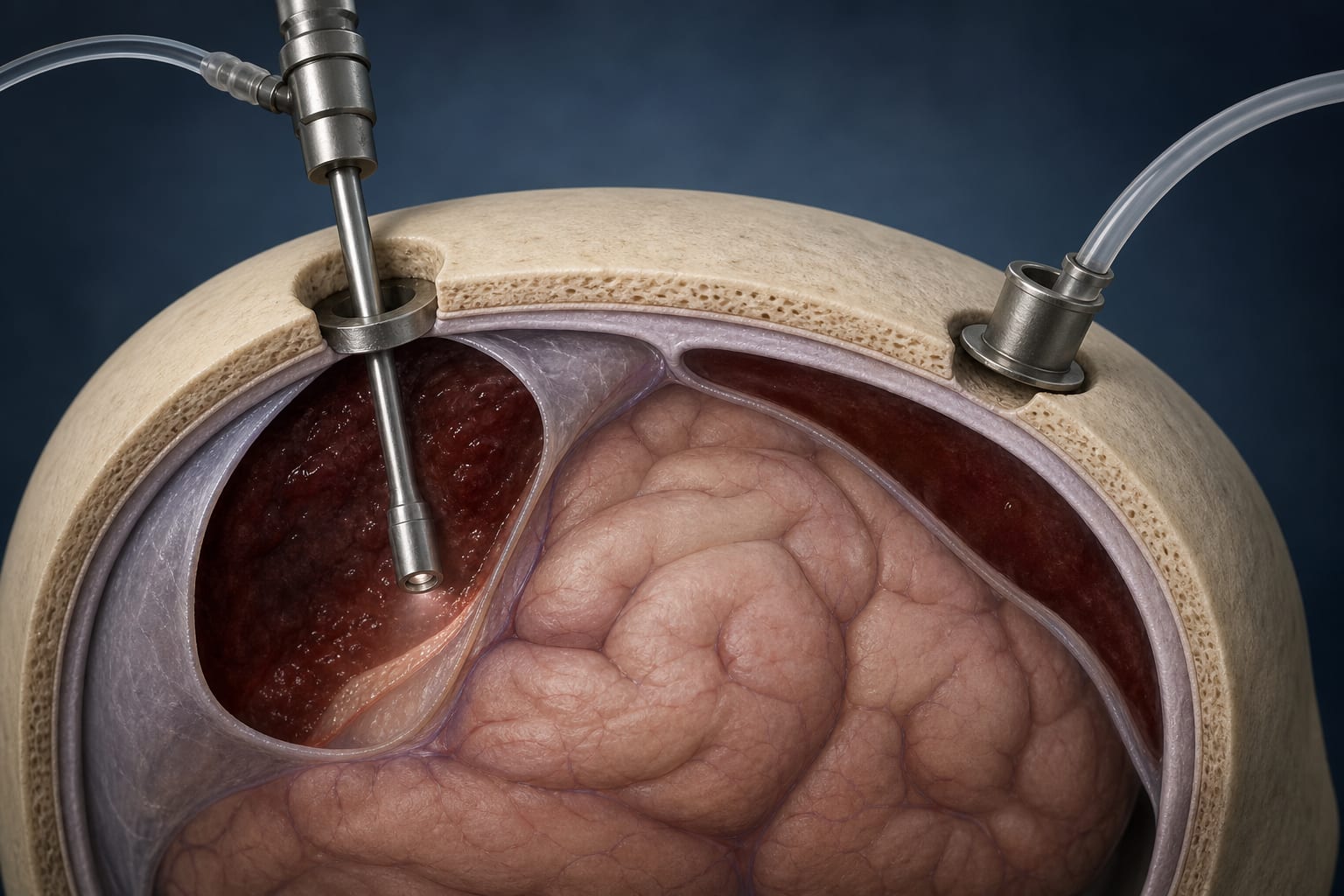
To evaluate the feasibility of minimally invasive surgery (MIS) for pedicle screw placement in subaxial cervical spine injuries and explicitly compare outcomes with conventional open approaches.
Key Findings:
MIS approaches resulted in reduced blood loss and shorter hospital stays compared to open surgery, with specific metrics to be included.
Image-guided neuronavigation improved accuracy of screw placement.
Minimally invasive techniques showed potential for less postoperative pain and quicker recovery.
Interpretation:
The study suggests that MIS for cervical pedicle screw placement is feasible and may offer advantages over traditional open techniques, particularly in reducing morbidity, with implications for clinical practice.
Limitations:
Retrospective data collection for the open approach may introduce bias.
Small sample size and lack of long-term follow-up data, along with potential confounding factors.
Conclusion:
MIS with image-guided navigation for cervical pedicle screw placement is a promising technique that may enhance patient outcomes compared to conventional methods, necessitating further research to validate these findings.