To reflect on the impact of Richard Preston's 'The Hot Zone' on public perception of Ebola and to critique the sensationalized portrayal of the disease in media, while sharing insights from personal experiences working with Ebola patients.
Approach:
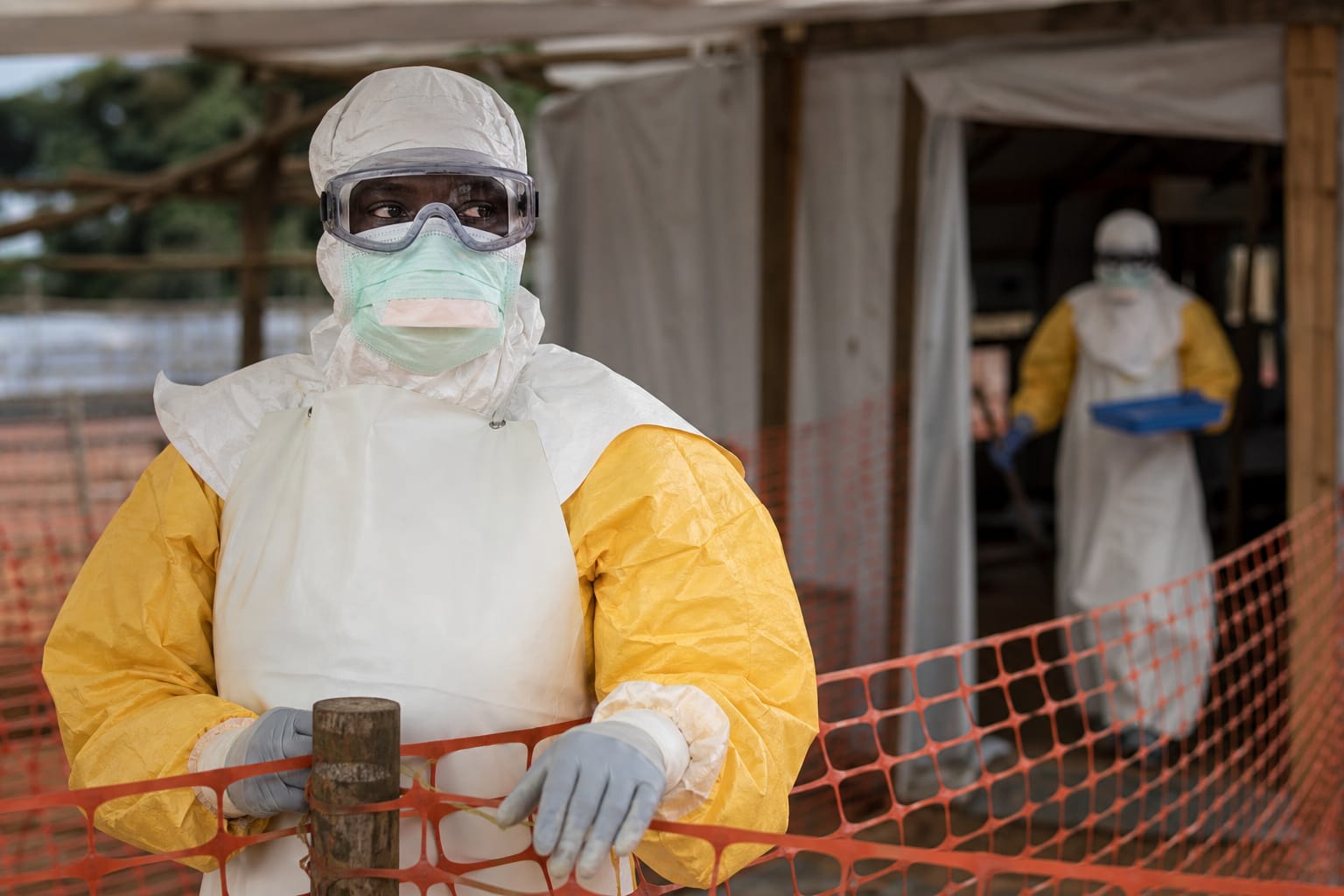
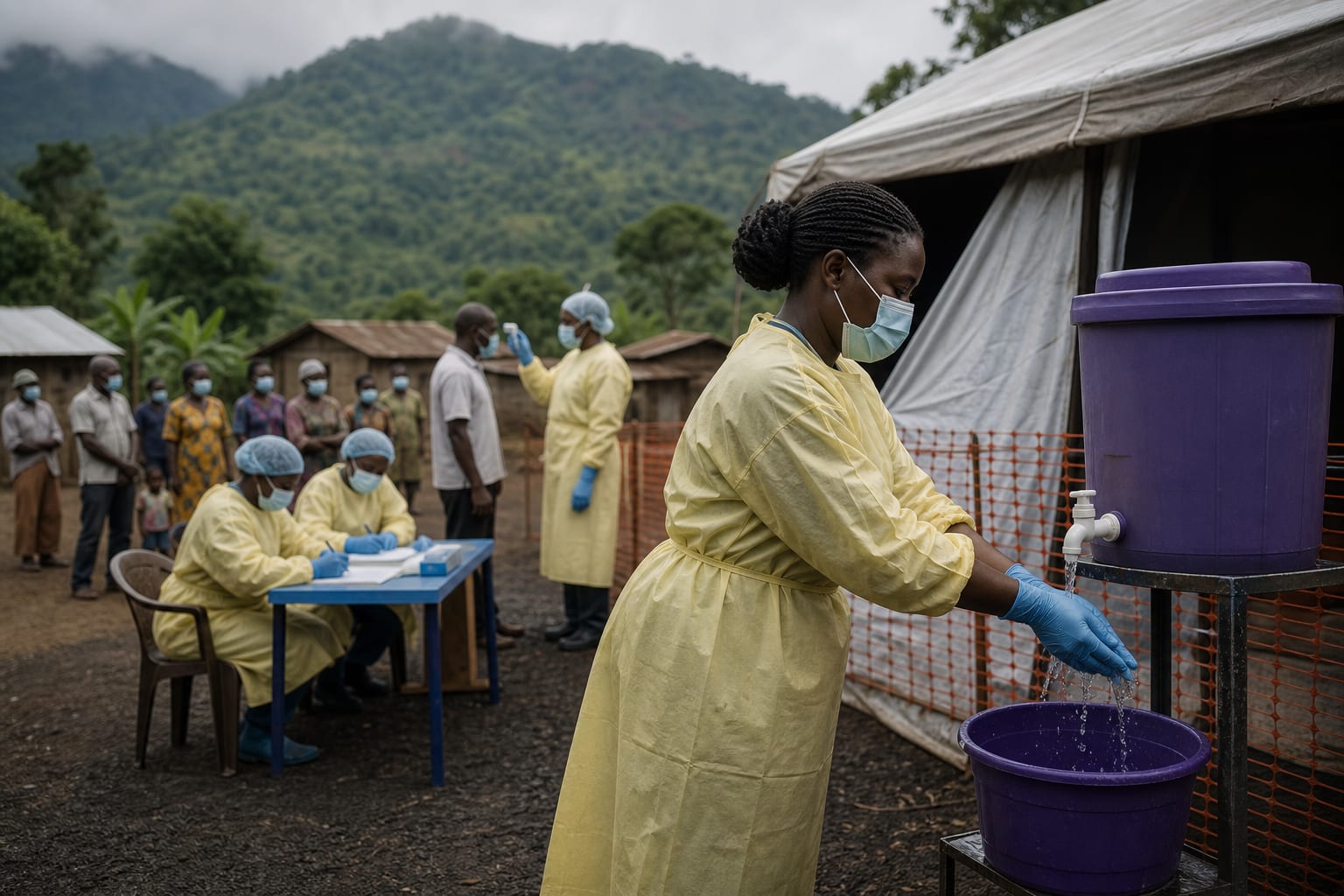
Personal Experience: The author shares their journey in the field of infectious diseases, particularly focusing on Ebola care during outbreaks.
Public Perception Analysis: The article critiques the sensationalized portrayal of Ebola in media, particularly in 'The Hot Zone', and contrasts it with the clinical realities of the disease.
Key Findings:
The portrayal of Ebola as a uniformly hemorrhagic disease is misleading; most patients do not exhibit overt bleeding.
Ebola is not easily transmitted among the general public; it requires direct contact with symptomatic individuals' bodily fluids.
Public fear and misconceptions can distort health priorities and lead to ineffective policies.
Challenges in controlling Ebola often relate to health systems and community trust rather than the virus itself.
Advancements in Ebola treatment and prevention have been made since the West Africa epidemic.
Interpretation:
The author emphasizes the need for a more accurate understanding of Ebola to improve public health responses and reduce fear-driven reactions.
Limitations:
The article does not provide quantitative data to support claims about public perception.
Personal anecdotes may not represent the diverse experiences of all healthcare workers in Ebola treatment settings.
Conclusion:
Continued investment in Ebola preparedness and community engagement is essential to address ongoing challenges and misconceptions.