To summarize the neurological manifestations associated with Relapsing Polychondritis (RP) and VEXAS syndrome and identify specific gaps in knowledge regarding these complications.
Approach:
Key Findings:
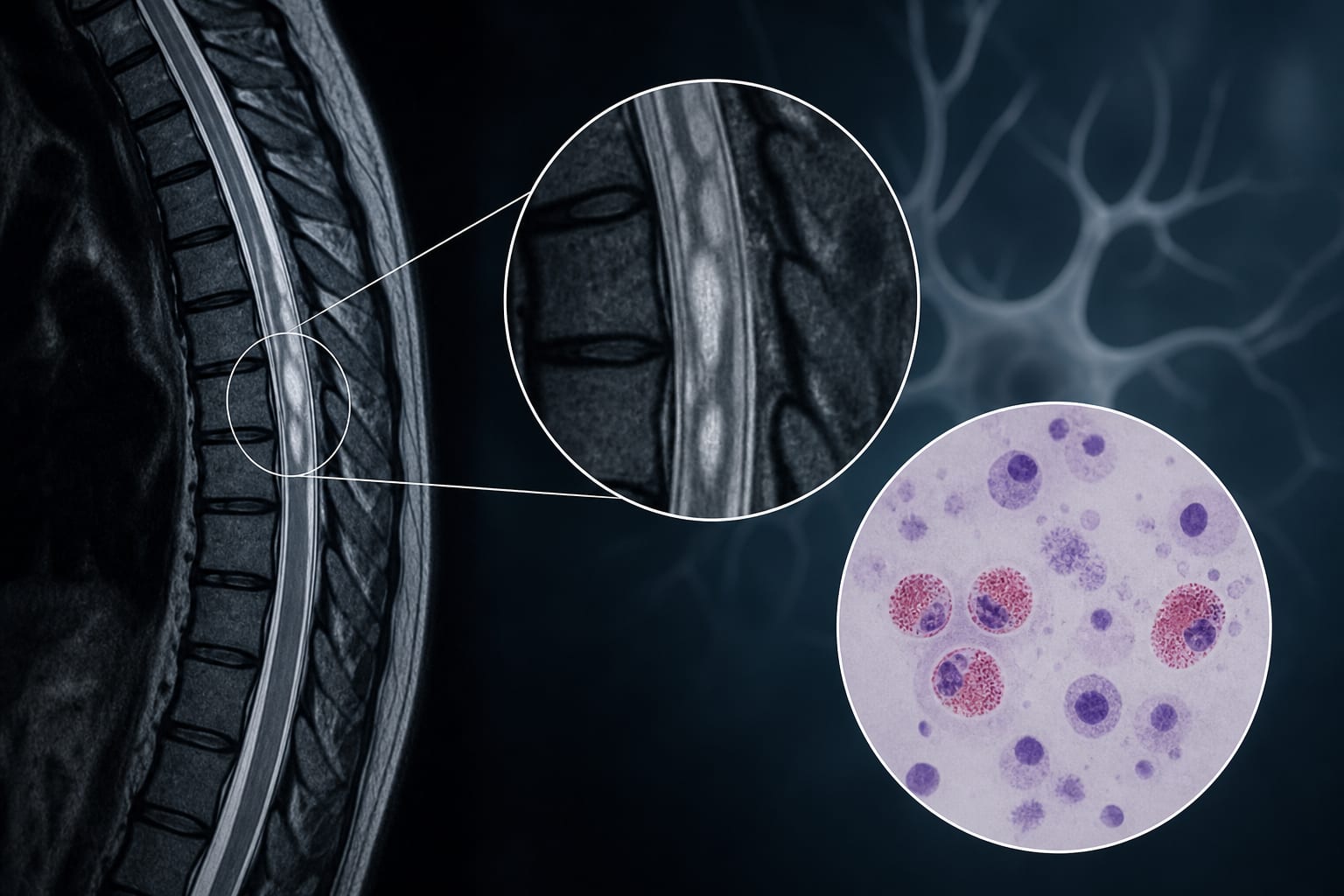
Neurological complications in RP and VEXAS are rare but can be severe.
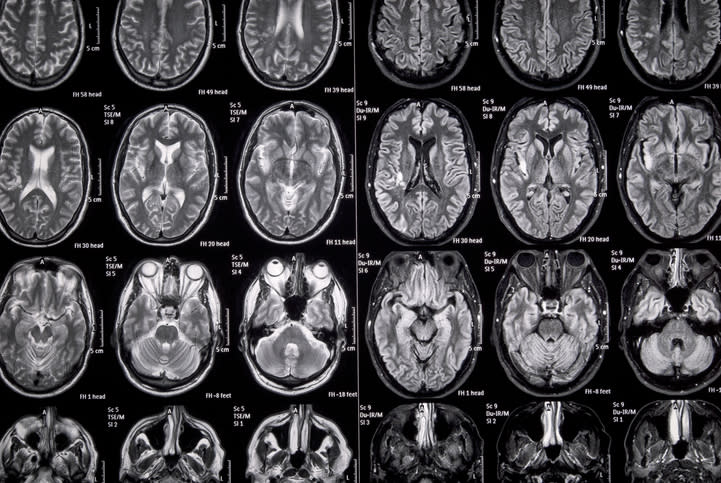
Meningoencephalitis is often a presenting symptom of RP, with a severe course.
Cranial nerve palsies in RP may relate to contiguous inflammation.
Muscle and peripheral neuropathy are more frequent in VEXAS.
Interpretation:
Neurological manifestations in RP and VEXAS differ, with RP primarily showing central nervous system involvement and VEXAS showing more peripheral nerve and muscle issues, which may influence treatment approaches.
Limitations:
Neurological involvement in RP and VEXAS is underreported.
Methodological differences in studies may affect reported incidence rates.
Potential biases in case selection or reporting may exist.
Conclusion:
Understanding the neurological manifestations of RP and VEXAS is crucial for neurologists, especially given the potential overlap with other systemic conditions and the need for accurate diagnosis.