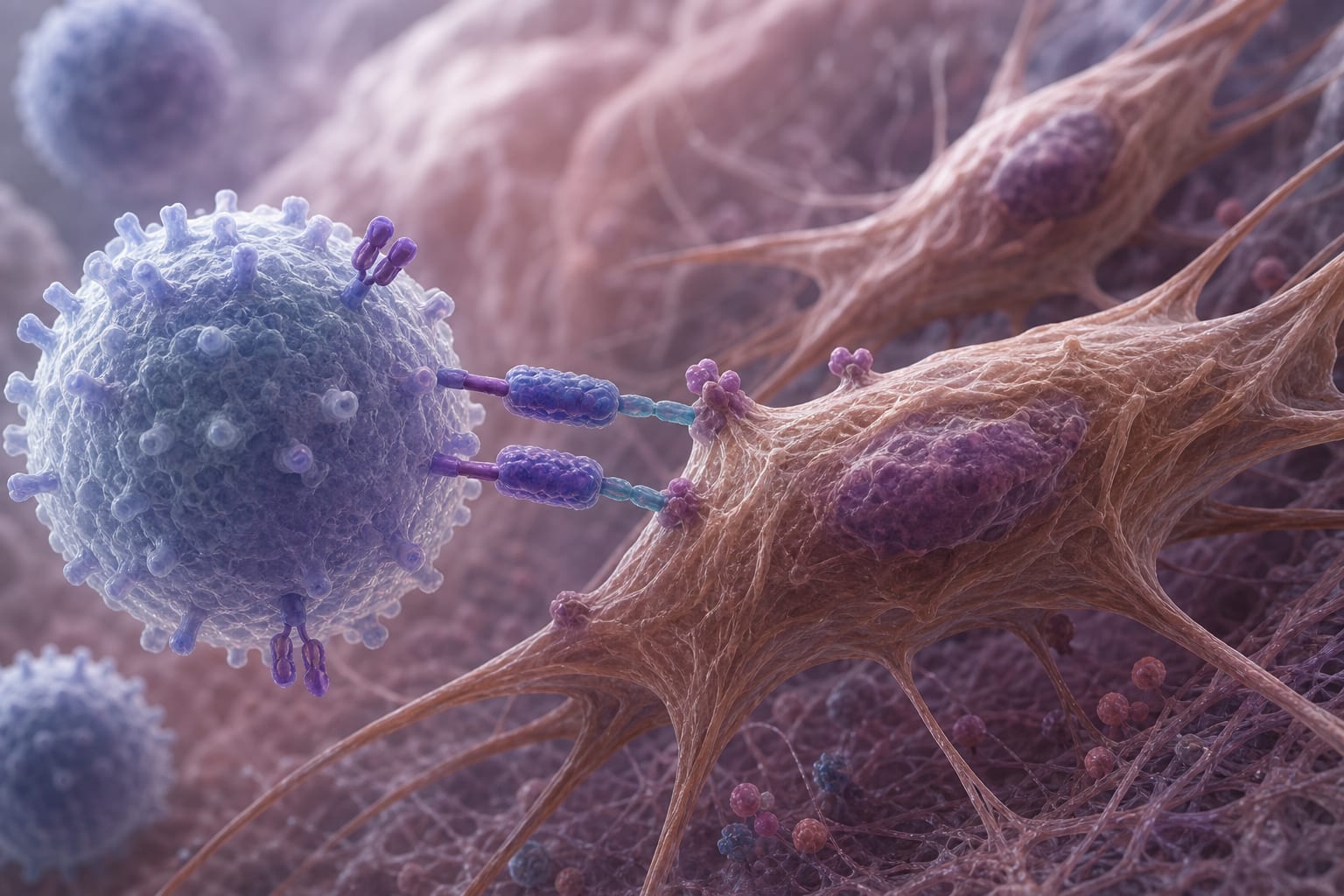
To investigate the response of naive B cells to specific cytotoxic stressors, including γ-irradiation and hydrogen peroxide, when supported by RA-FLS in a co-culture model.
Approach:
Co-culture model: Healthy human naive B cells were co-cultured with RA-derived fibroblast-like synoviocytes (RA-FLS) and exposed to genotoxic stimuli to assess their viability and response.
Assays: Viability assays were conducted to measure cell survival, time-resolved γ-H2AX MFI was used to assess DNA damage, RT-qPCR analyzed the expression of DNA damage response and differentiation genes, and flow cytometric analysis evaluated cell subsets and surface markers.
Key Findings:
Naive B cells showed greater loss of viability compared to RA-FLS.
γ-H2AX MFI indicated an earlier peak and decline in naive B cells, while RA-FLS retained prolonged γ-H2AX levels.
Transcriptional profiling revealed selective induction of DNA damage response genes such as ATM, APEX1, RAD50, BAX, and BCL6.
Prolonged co-culture led to expansion of B cell compartments and increased expression of stromal markers CD90 and podoplanin.
Interpretation:
Genotoxic stress may influence B cell fate and immune-stromal interactions in the rheumatoid synovium based on observed responses.
Limitations:
The study primarily focuses on B cell responses and does not extensively analyze RA-FLS, limiting the understanding of their role.
Findings are based on a reductionist model, which may not fully replicate the complex in vivo conditions of rheumatoid arthritis.
Conclusion:
The study defines differential stress responses and phenotypic adaptations of B cells and RA-FLS within an inflammatory co-culture system, highlighting the complexity of their interactions.
Analysis of East Asian genetic data found a modest inverse association between rheumatoid arthritis susceptibility and periodontitis risk, though researchers said the findings require confirmation in independent cohorts.
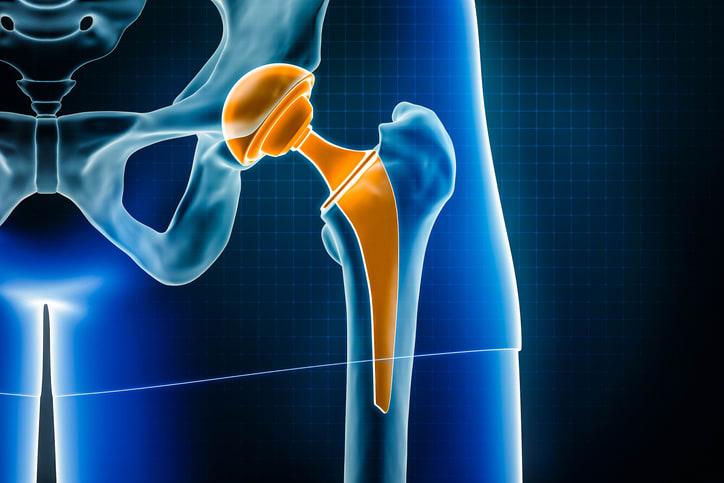
A systematic review of more than 2.3 million patients found that women and men had different patterns of postoperative complications and recovery, with age and implant strategy modifying observed differences.