To identify existing subjective and objective RIF measurement tools used in HNC and evaluate their reported reliability and validity.
Approach:
Search Strategy: A comprehensive literature search was conducted across multiple electronic databases using a combination of Medical Subject Headings (MeSH) and natural language terms related to 'radiation fibrosis' and 'head and neck cancer'.
Screening and Eligibility Criteria: Two independent reviewers screened titles and abstracts for relevance to RIF measurement tools, followed by full-text screening using predefined eligibility criteria.
Data Extraction and Synthesis: Data from included studies were extracted and synthesized descriptively, summarizing key characteristics and outcomes.
Key Findings:
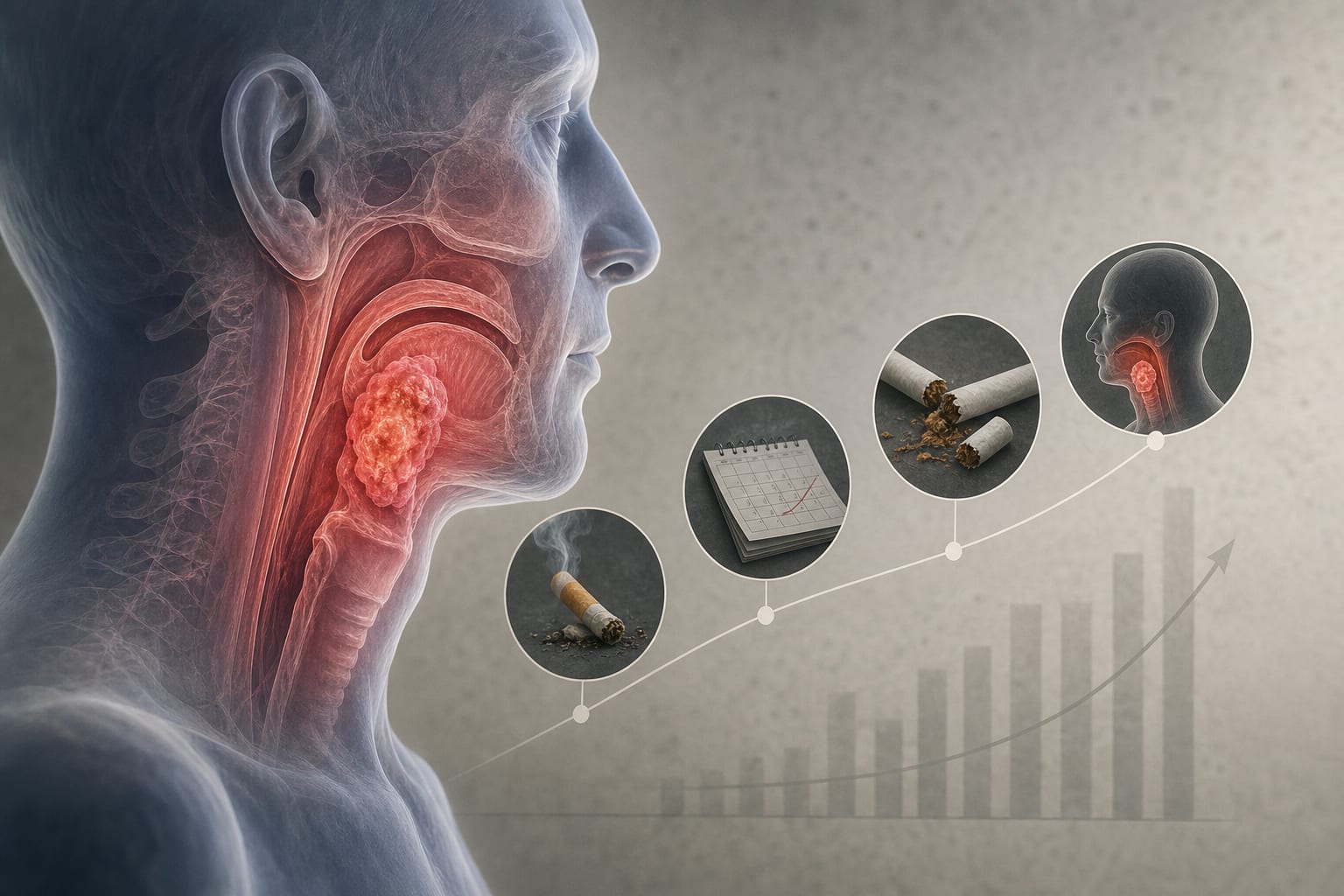
The cumulative incidence of severe subcutaneous fibrosis has been reported to exceed 40% at 10 years in patients with prior neck dissection or high radiation doses.
There is no consensus on a valid, reliable, and non-invasive tool for assessing RIF in HNC patients.
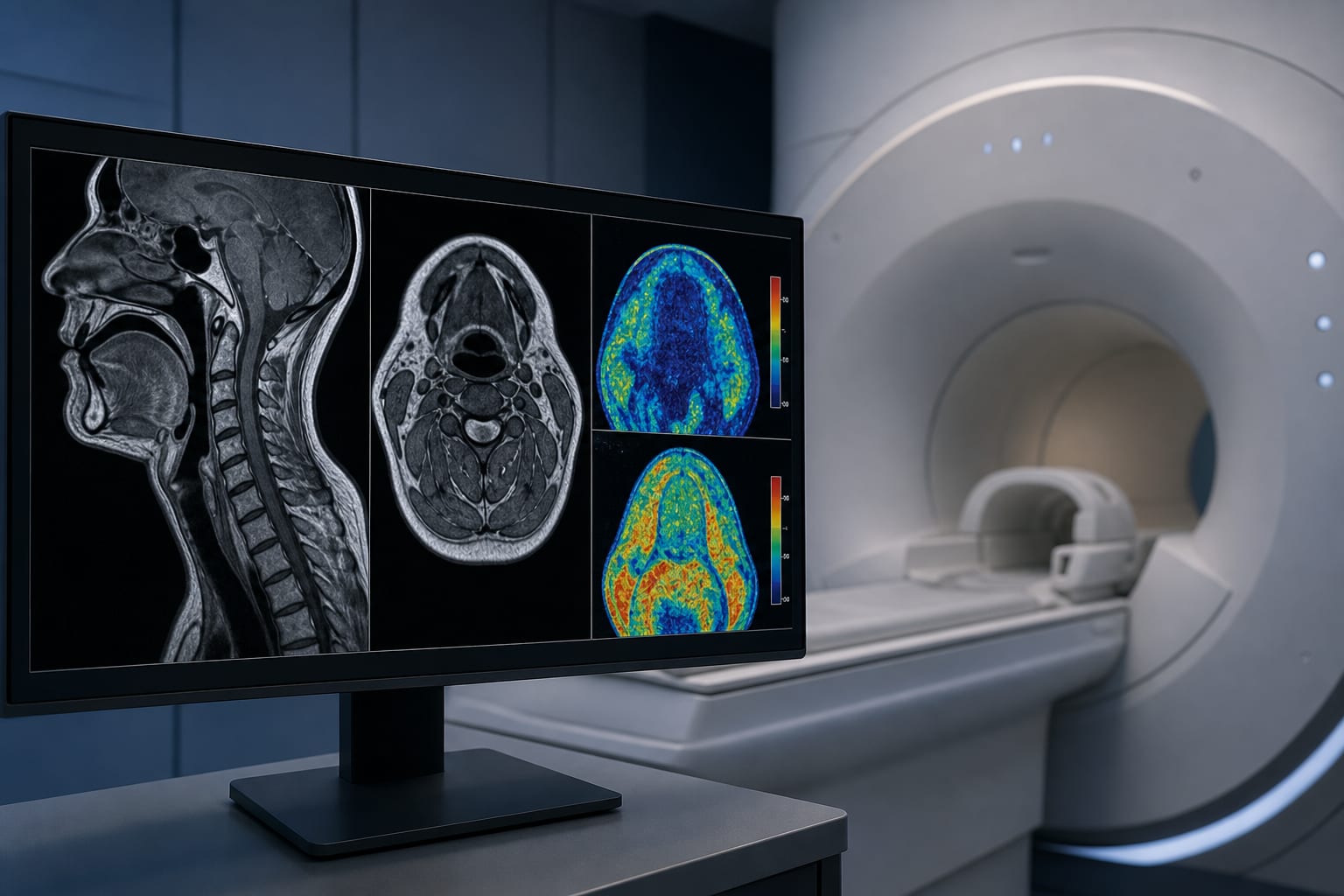
Assessment tools for fibrosis include subjective PROMs and clinician-based palpation grading scales, as well as objective imaging-based techniques.
Interpretation:
The review highlights a critical gap in the literature regarding the assessment of RIF, despite the development of numerous tools since the last systematic review in 2016.
Limitations:
The review is limited to studies published in English.
Exclusion of non-original research articles may limit the comprehensiveness of the findings.
Conclusion:
The review underscores the need for reliable and valid tools to assess fibrosis in HNC survivors.
by Vanessa Helou, Pooja D. Reddy, Purva H. Rumde, Mary L. Klem, Sagar G. Kansara, Oldrich Virag, Yvonne M. Mowery, Nicole N. Scheff, Matthew E. Spector, Shaum Sridharan, Marci L. Nilsen, Kevin J. Contrera