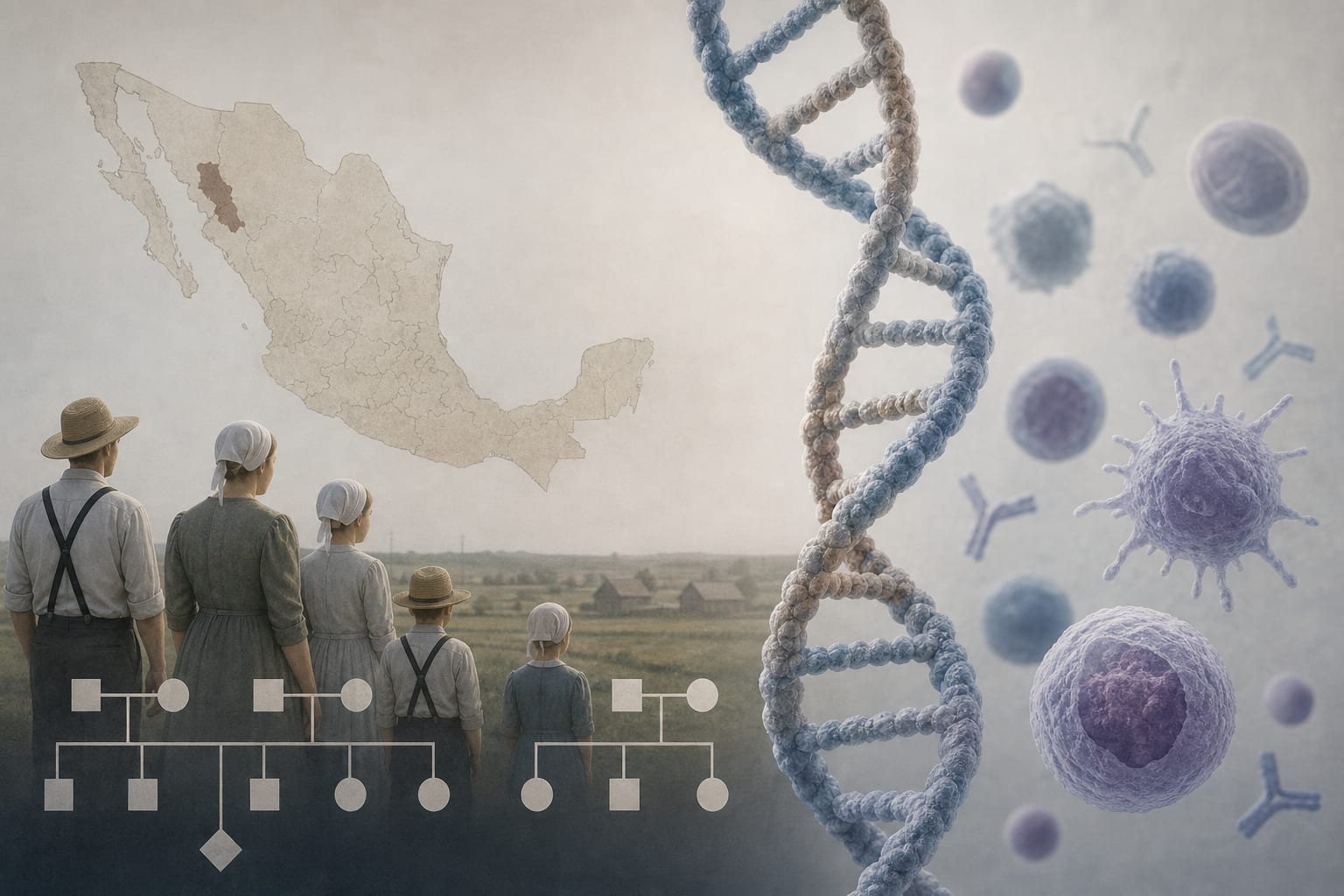
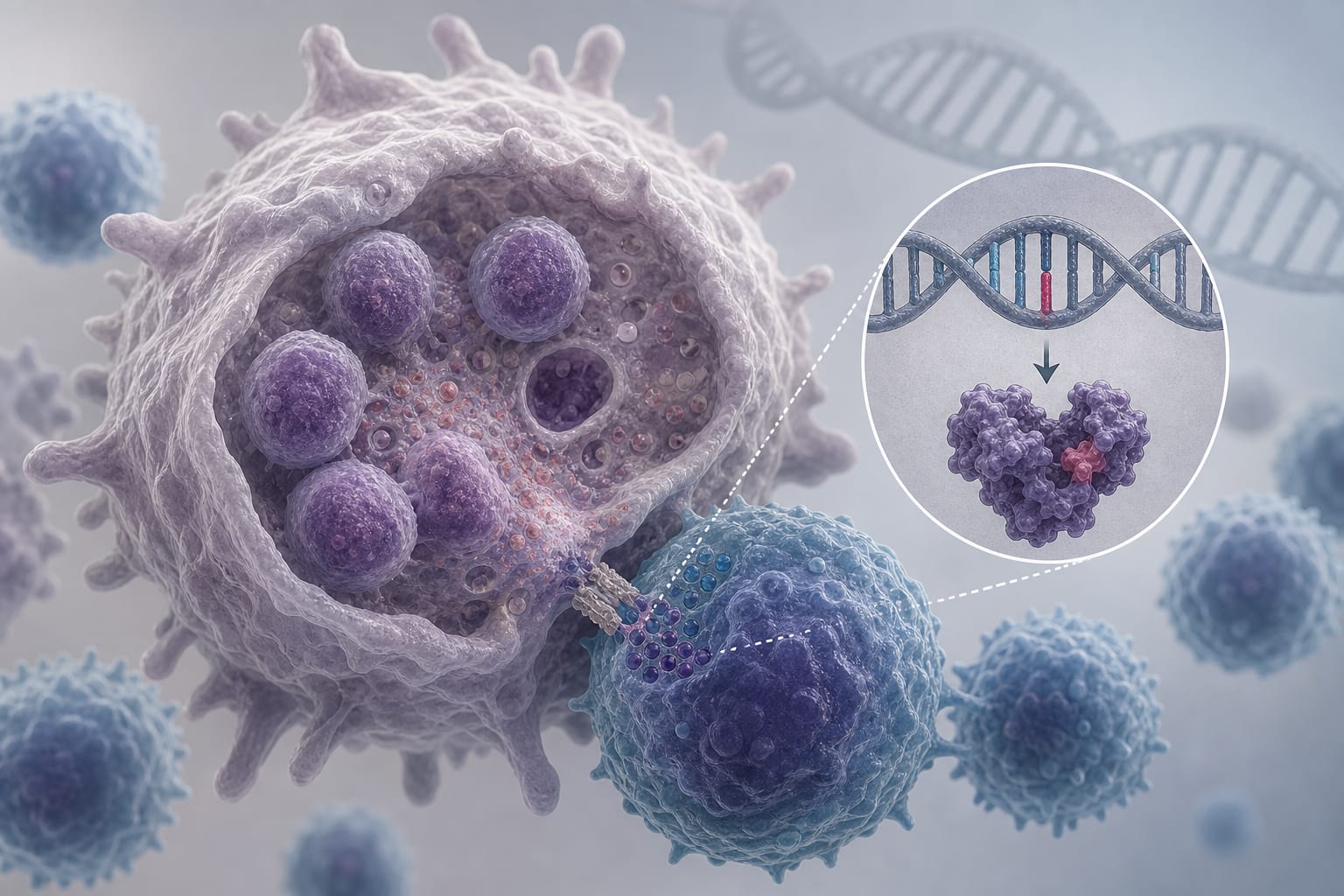
To describe four clinical cases of inborn errors of immunity (IEI) in Low German Mennonite (LGM) patients in Mexico and contextualize these findings within a comprehensive literature review of previously reported IEI cases in this population.
Approach:
Study Design: A retrospective case series conducted at two tertiary pediatric referral centers in Mexico between 2020 and 2025.
Data Collection: Clinical, immunological, and genetic data were extracted from medical records, and genetic diagnoses were established using next-generation sequencing or whole-exome sequencing.
Literature Review: A narrative literature search was performed in PubMed, Embase, SciELO, and Web of Science to identify previously reported IEI cases in LGM populations.
Key Findings:
Four patients with distinct IEI were identified: one with G6PC3 deficiency, one with XLA due to a pathogenic variant in the BTK gene, and two with SCID.
All patients required disease-specific therapy, including granulocyte colony-stimulating factor, immunoglobulin replacement, and/or hematopoietic cell transplantation.
The literature review identified a broad spectrum of IEI in LGM populations, including cellular and humoral immunodeficiencies, phagocyte disorders, DNA repair defects, autoinflammatory conditions, and bone marrow failure syndromes.
Interpretation:
This exploratory case series contributes to the evidence on IEI in LGM populations.
Limitations:
Small sample size.
Retrospective design limits generalizability.
Conclusion:
Early diagnosis through newborn screening and accessible genetic testing remains essential to improve outcomes.
by Luisa Berenise Gámez-González, Saúl Oswaldo Lugo-Reyes, Rogelio Guzmán-Cotaya, Sara Elva Espinosa-Padilla, Luis Enrique Murguía-Favela, Marco Antonio Yamazaki-Nakashimada