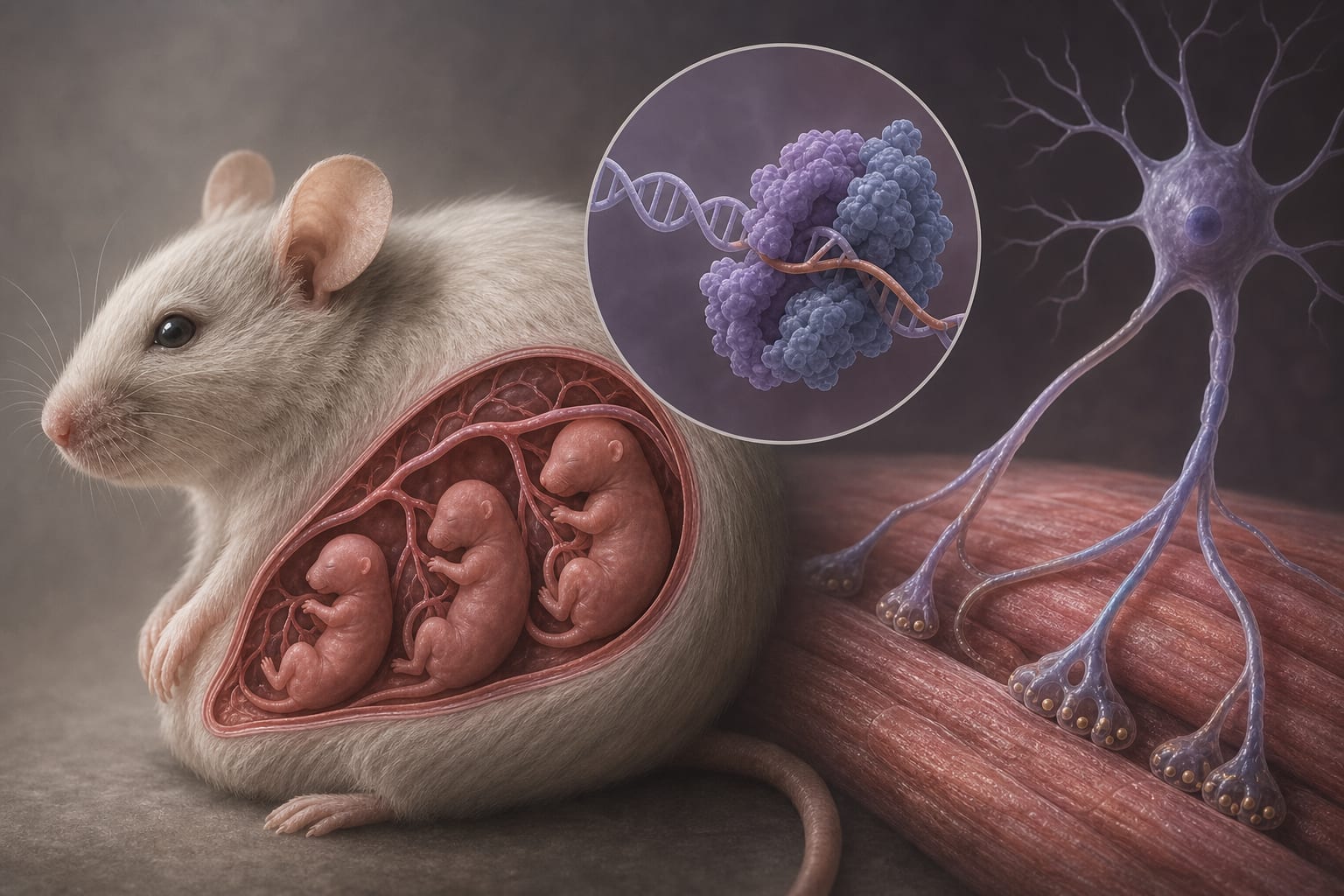
To investigate the effects of administering a risdiplam-like compound to pregnant dams carrying fetuses from the SMNΔ7 mouse model of spinal muscular atrophy (SMA).
Approach:
Animal Model: The study utilized the SMNΔ7 mouse line, a severe model of SMA, to assess the impact of prenatal treatment with risdiplam.
Key Findings:
Intra-amniotic delivery of risdiplam increased SMN protein levels in the central nervous system.
Prenatal treatment improved motor axon development, motor function, and survival compared to postnatal treatment.
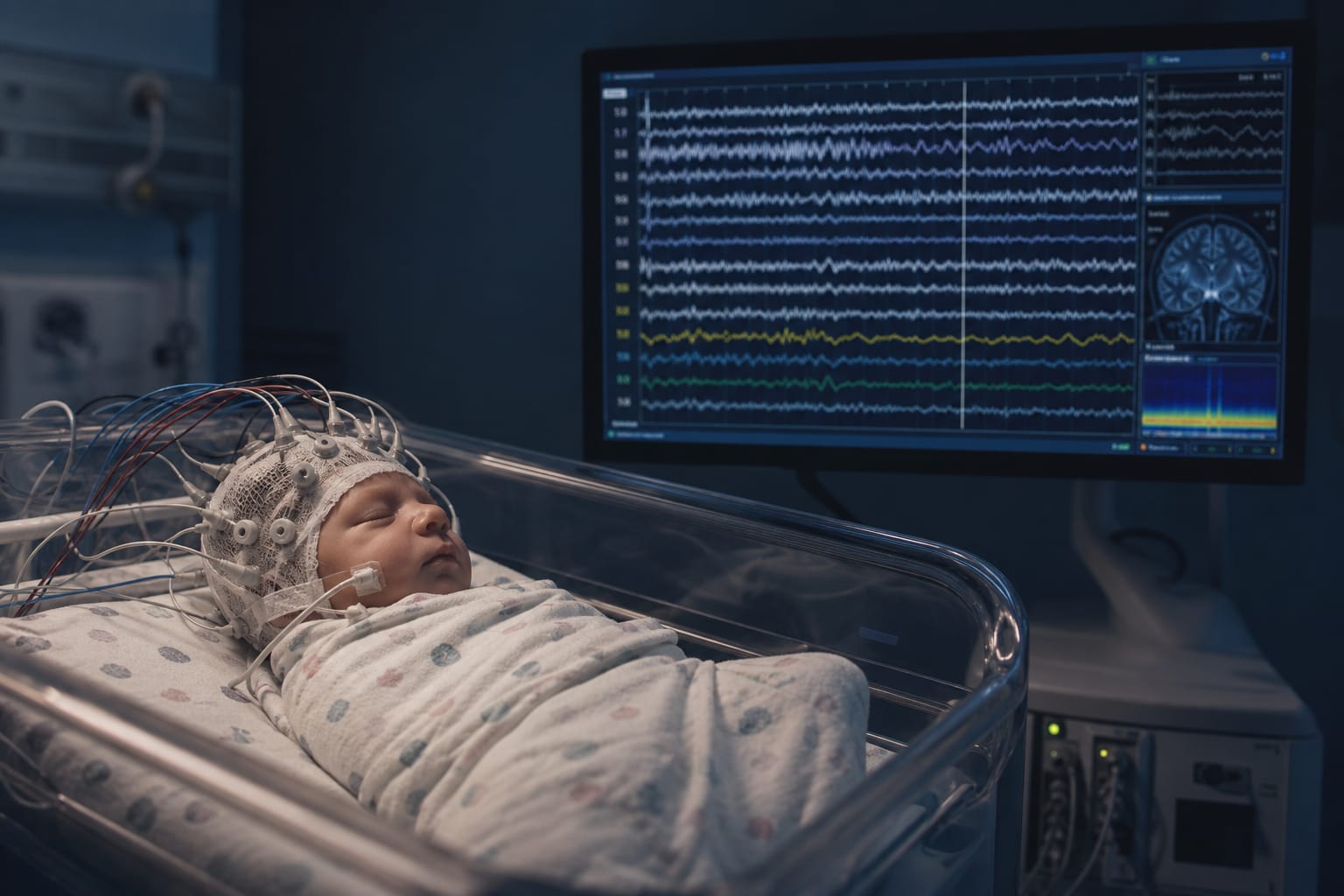
A clinical case reported a pregnant woman treated with risdiplam, resulting in her child showing no clinical signs of SMA at 30 months, but the child also received postnatal risdiplam therapy and presented with congenital abnormalities.
Interpretation:
The findings indicate that prenatal administration of risdiplam may enhance motor neuron health and function in the context of SMA.
Limitations:
The clinical case study was a single instance, limiting the ability to generalize results.
Potential treatment-related congenital effects cannot be fully excluded.
Conclusion:
Establishing prenatal therapy for SMA could facilitate progress toward a cure.