To search, evaluate, and synthesize the best available evidence for the prevention of postpartum hemorrhage (PPH) and guide clinical practice.
Approach:
Evidence Framework: The PIPOST framework was employed to define the evidence-based question across six dimensions: Population, Intervention, Professionals, Outcome, Setting, and Type of evidence.
Systematic Search: A top-down systematic search was conducted following the '6S' pyramid evidence model, encompassing various authoritative resources and diverse evidence types.
Literature Appraisal: The quality of the eligible literature was rigorously appraised, and guidelines were evaluated for reliability and validity.
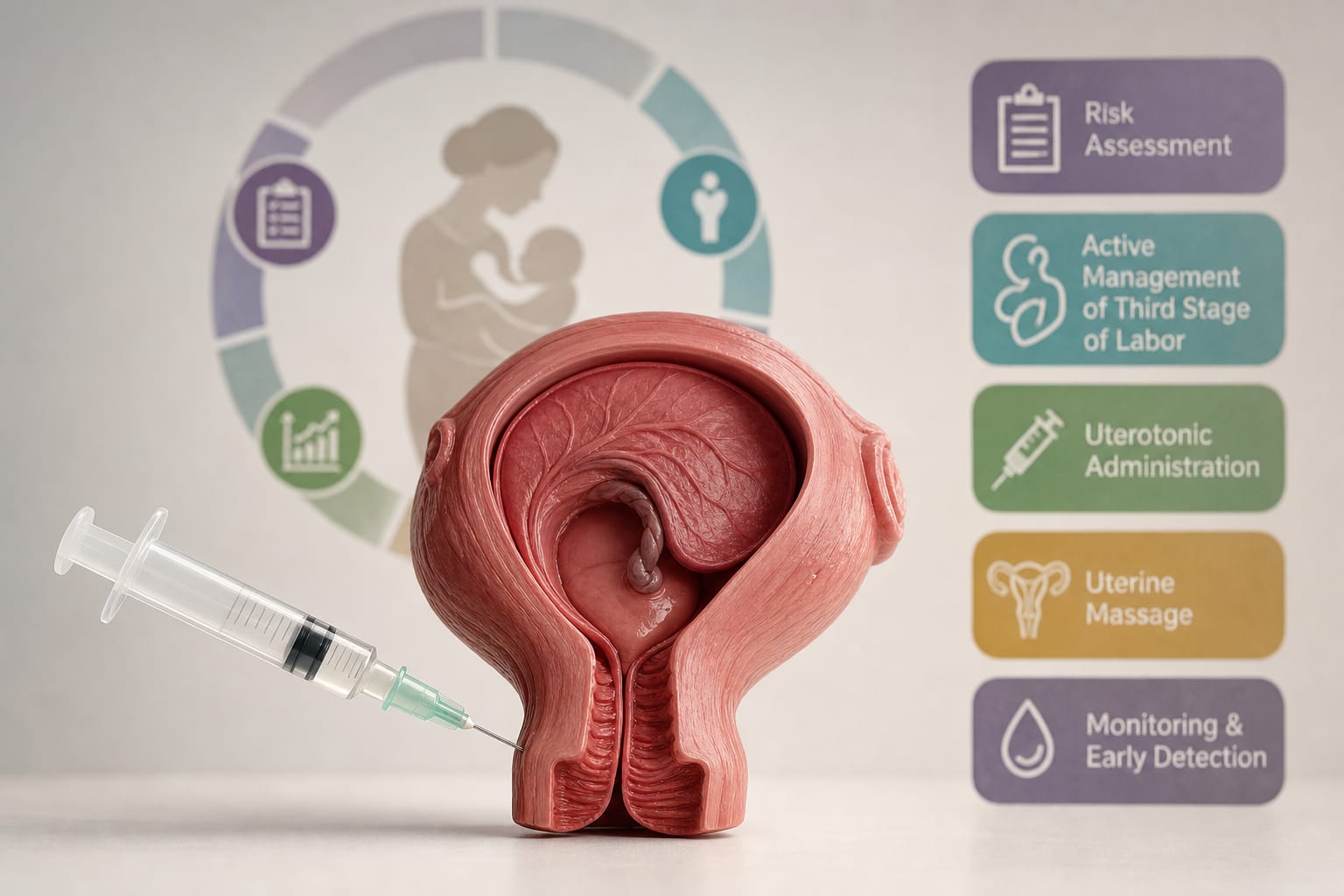
Synthesis of Recommendations: Twenty-three best practice recommendations for PPH prevention and management were synthesized across 11 domains.
Key Findings:
Postpartum hemorrhage is a leading cause of maternal mortality, accounting for approximately 27% of all maternal deaths.
Differences exist in the definition of postpartum hemorrhage among various organizations, but all agree that blood loss exceeding 1,000 mL constitutes severe postpartum hemorrhage.
High-risk factor assessment and timely intervention are crucial for effective management of postpartum hemorrhage.
Variability in definitions and guidelines across different regions may affect the applicability of findings.
Interpretation:
Limitations:
The study is limited to the context of birthing units in Japan.
Variability in definitions and guidelines across different regions may affect the applicability of findings.
Conclusion:
The study summarizes 23 best practice recommendations for PPH prevention and management, aiding healthcare professionals in improving clinical nursing practice.