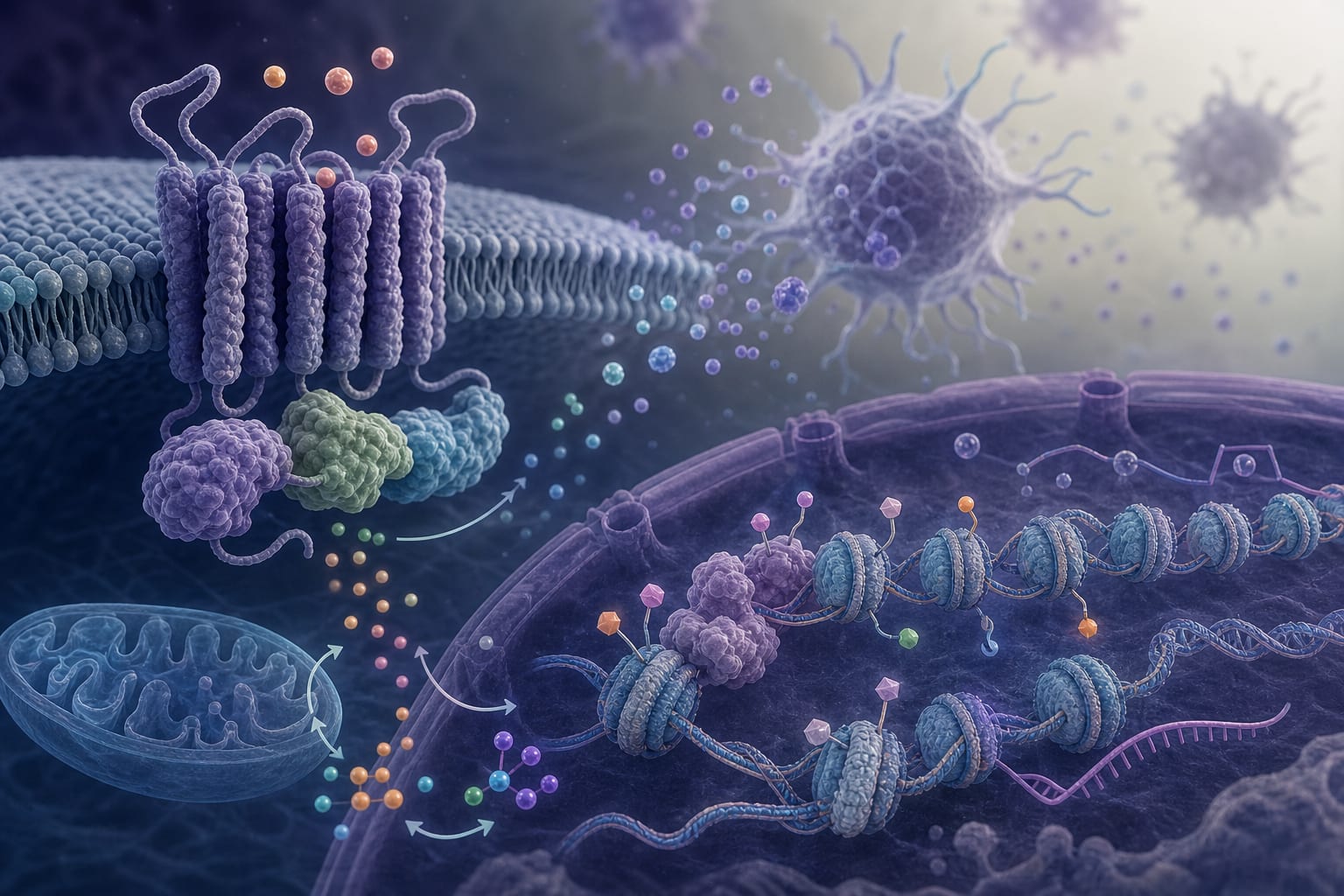
To propose a clear framework for understanding Long COVID as a biologically diverse condition and suggest pathways for targeted therapies.
Key Findings:
Long COVID is characterized by biological diversity and multisystem involvement, impacting treatment outcomes.
Symptom-based phenotyping may dilute treatment effects by combining distinct biological mechanisms.
Physiological diversity includes autonomic dysfunction, mitochondrial impairment, endothelial abnormalities, and gut microbiome changes.
Interpretation:
The proposed framework differentiates primary mechanistic domains from secondary processes, suggesting a biologically informed approach may improve understanding and treatment of Long COVID.
Limitations:
The framework is unvalidated and requires prospective validation using standardized physiological metrics to ensure comprehensive understanding.
Current insights are based on observational studies, which may not capture all relevant biological mechanisms.
Conclusion:
Future research should explore whether biologically enriched cohorts exhibit different therapeutic responses compared to symptom-defined populations, focusing on specific biological mechanisms.
Investigative report cites internal communications, VAERS data, and CDC case reviews describing myocarditis and pericarditis reports in adolescents and young adults after mRNA COVID-19 vaccination.