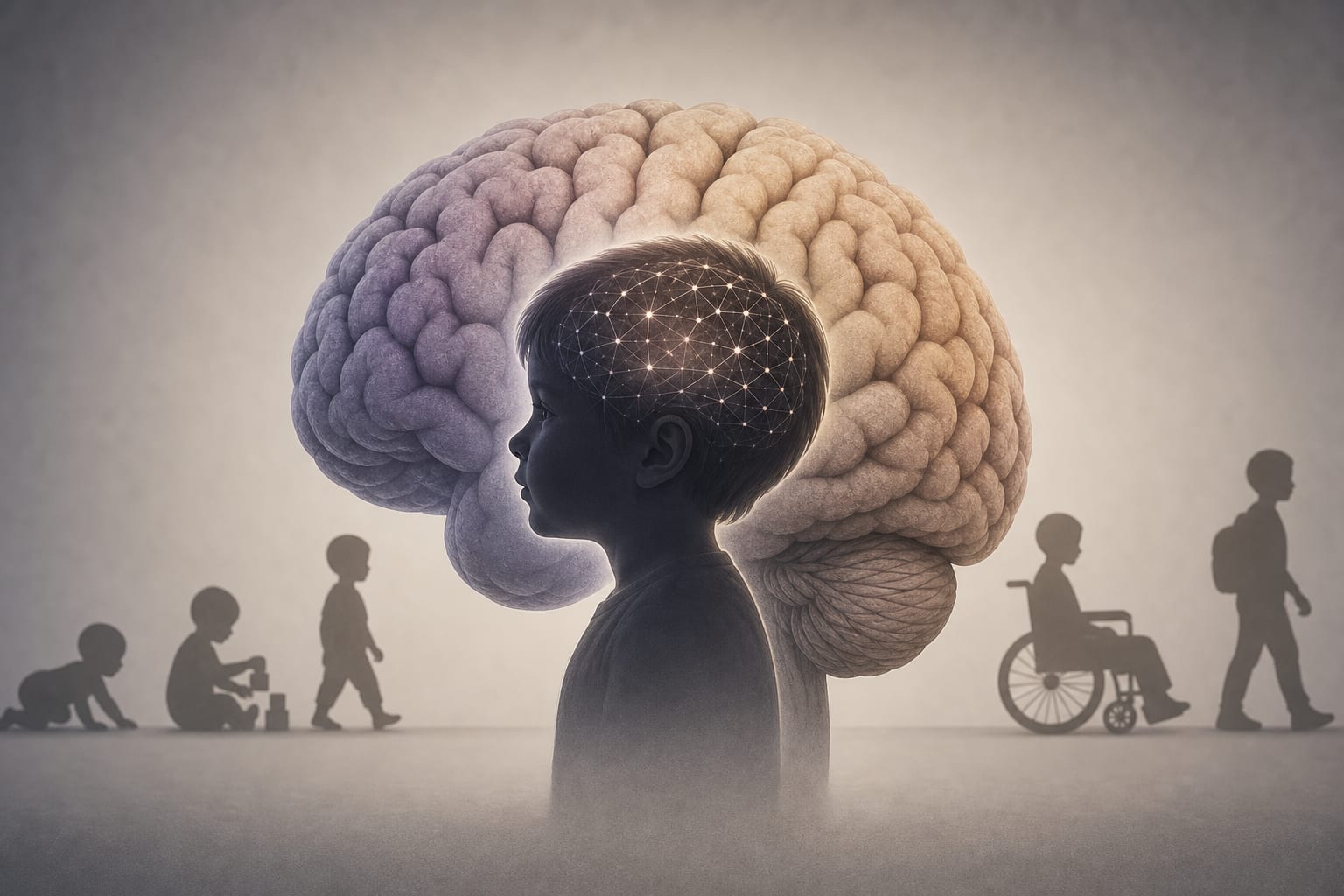
To explore the systemic challenges faced by adults with intellectual and developmental disabilities (I/DD) during the transition from pediatric to adult healthcare systems.
Key Findings:
Less than one-quarter of CYSHCN aged 12–17 received help in healthcare transition planning before the COVID-19 pandemic, indicating a significant gap in support.
Individuals with I/DD face significant barriers in transitioning to adult healthcare, including a lack of willing providers and inadequate support systems, which can lead to negative health outcomes.
Structural ableism in healthcare manifests in various forms, including insufficient access to specialists, inadequate policies for communication and care, and systemic biases that disadvantage individuals with I/DD.
Interpretation:
The transition from pediatric to adult healthcare for individuals with I/DD is fraught with systemic barriers that hinder their ability to receive appropriate care and support, necessitating urgent reforms.
Limitations:
The article relies on anecdotal evidence and personal narratives, which may not represent the broader population and could introduce bias.
There is a lack of recent data on healthcare transition planning post-COVID-19, limiting the understanding of current challenges.
Conclusion:
The healthcare system must address structural ableism and improve support for adults with I/DD to facilitate better healthcare transitions, emphasizing the need for systemic change.