Identification of key genes potentially associated with bladder cancer development by common plasticizers: an integrated transcriptomics and network toxicology study - Summary - MDSpire
Advertisement
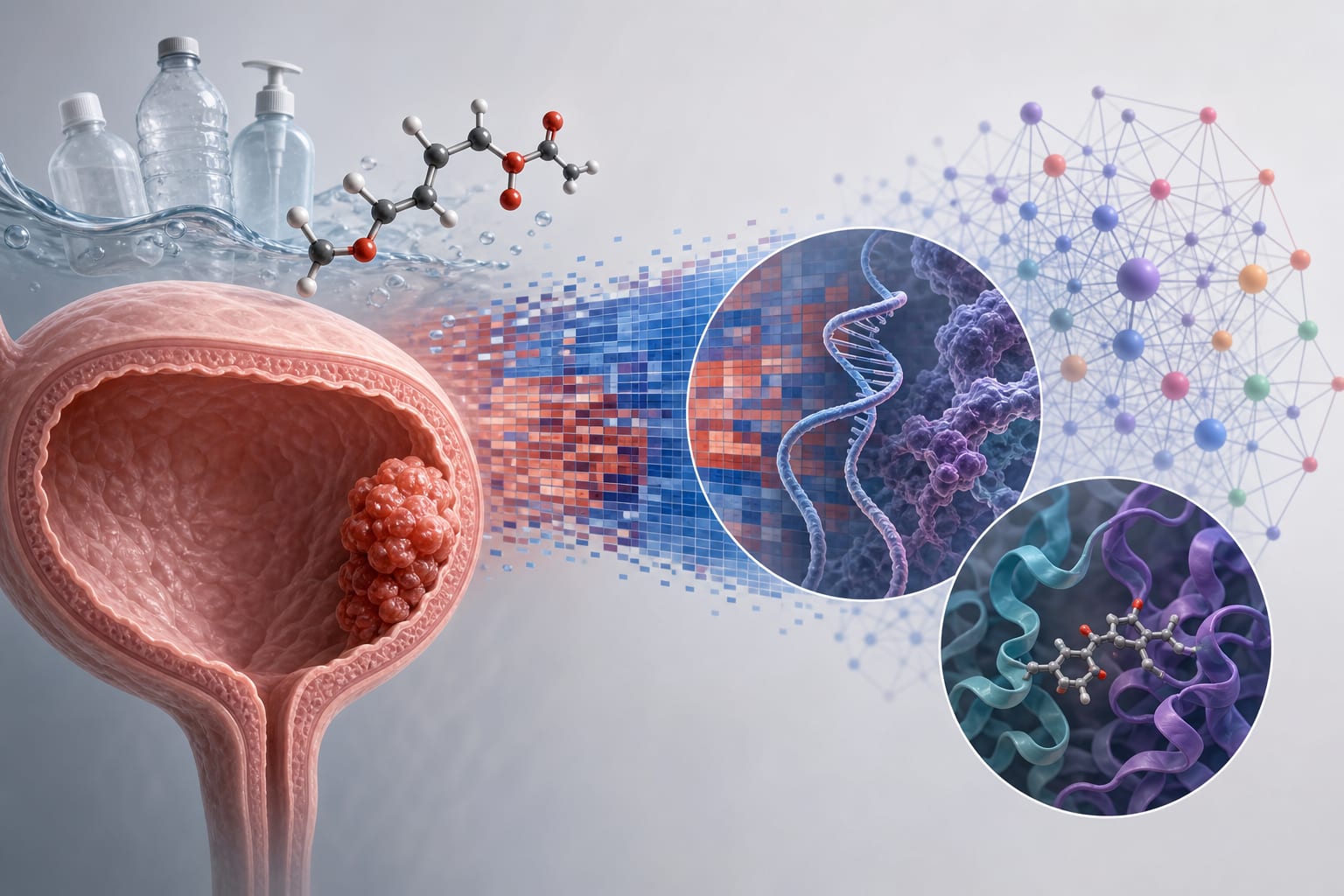
Identification of key genes potentially associated with bladder cancer development by common plasticizers: an integrated transcriptomics and network toxicology study
To investigate the relationship between bladder cancer (BCa) and exposure to plasticizers.
Approach:
Molecular Docking: Molecular docking and molecular dynamics (MD) simulation were employed to assess the binding affinity between plasticizers and the identified key genes.
Key Findings:
A total of 4,642 differentially expressed genes were identified.
225 PRGs and 196 BCRTGs were obtained.
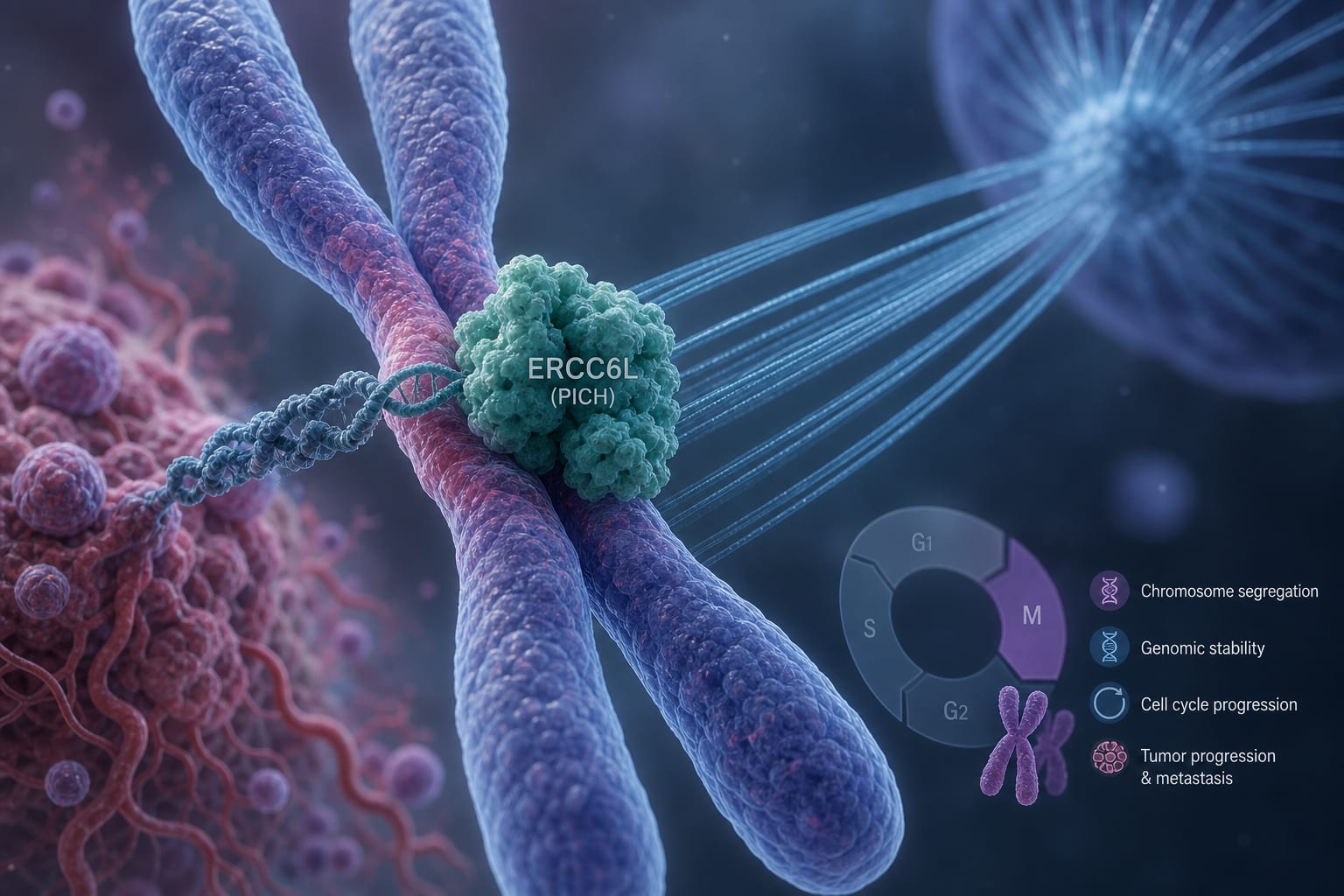
Five key genes (CCNE1, KIT, BCL2, TGFBR2, FASN) were identified.
FASN and CCNE1 showed elevated expression, while KIT, BCL2, and TGFBR2 showed reduced expression in BCa cells.
Key genes were co-enriched in cell cycle regulation pathways.
Interpretation:
The study presents findings that may contribute to understanding the molecular mechanisms linking plasticizer exposure to BCa.
Limitations:
The study does not establish causality specific to bladder cancer.
The precise biological mechanisms mediating the relationship remain largely unclear.
Conclusion:
The research generates hypotheses regarding the molecular mechanisms linking plasticizers to BCa.