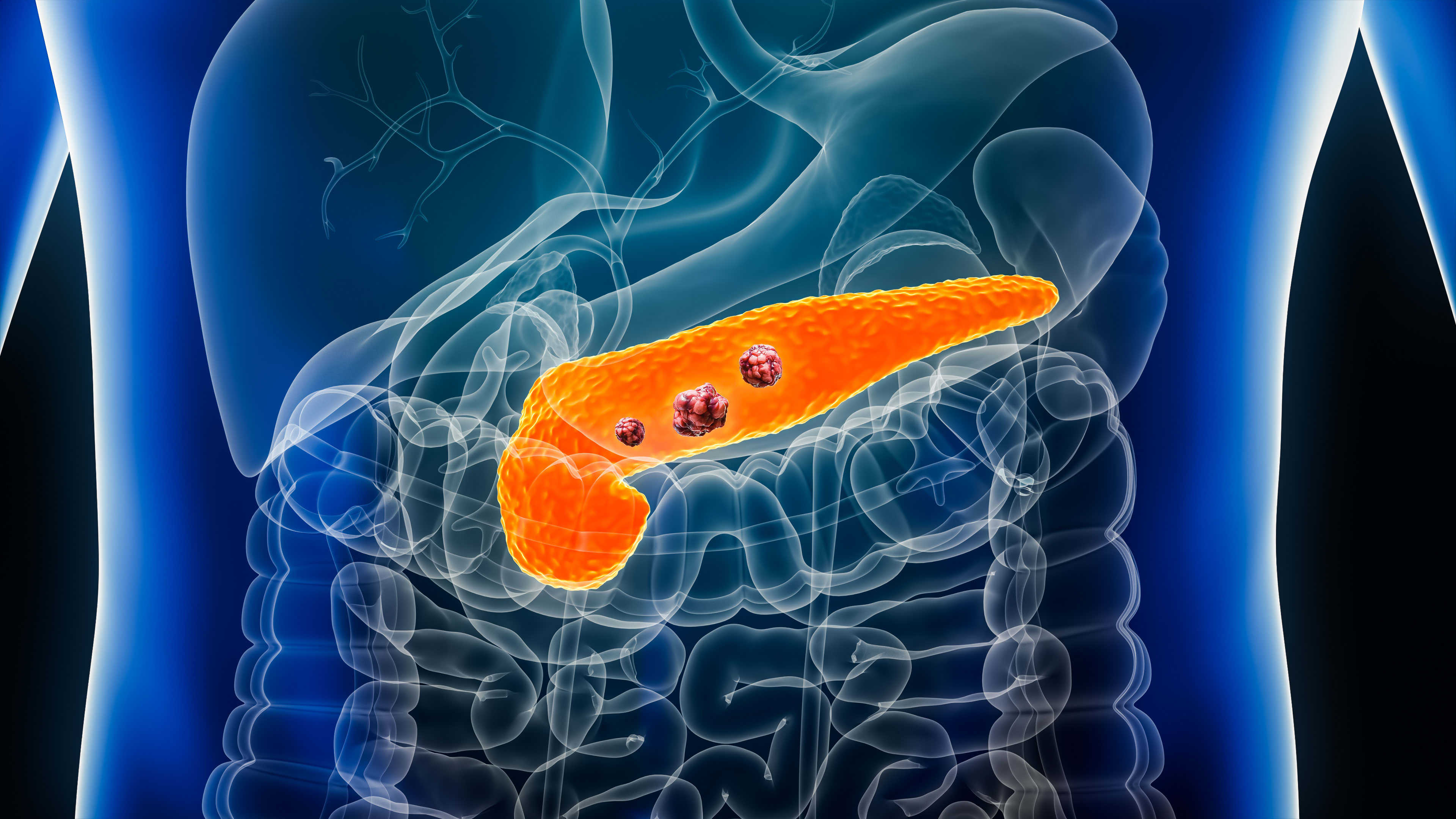
To review the advantages and clinical applications of dual-layer spectral detector CT (DLCT) in diagnosing and evaluating digestive system diseases, emphasizing its potential to improve patient outcomes.
Key Findings:
DLCT provides superior image quality by reducing beam-hardening artifacts and improving dose efficiency, particularly in dense tissues.
It allows for retrospective generation of spectral images, enhancing clinical workflow flexibility and enabling additional diagnostic insights.
DLCT is effective in quantifying hepatic fat and assessing hepatic fibrosis noninvasively, with specific examples of its application in clinical practice.
Interpretation:
DLCT represents a significant advancement in imaging technology, offering enhanced diagnostic accuracy for complex digestive system diseases, such as liver cancer and pancreatitis.
Limitations:
The review does not address potential limitations in the availability or cost of DLCT technology, as well as technical challenges for practitioners.
Further studies are needed to validate the findings across diverse patient populations and clinical settings.
Conclusion:
DLCT is a promising tool in the imaging of digestive system diseases, providing valuable insights for diagnosis and treatment planning, and suggesting the need for future research and clinical trials.