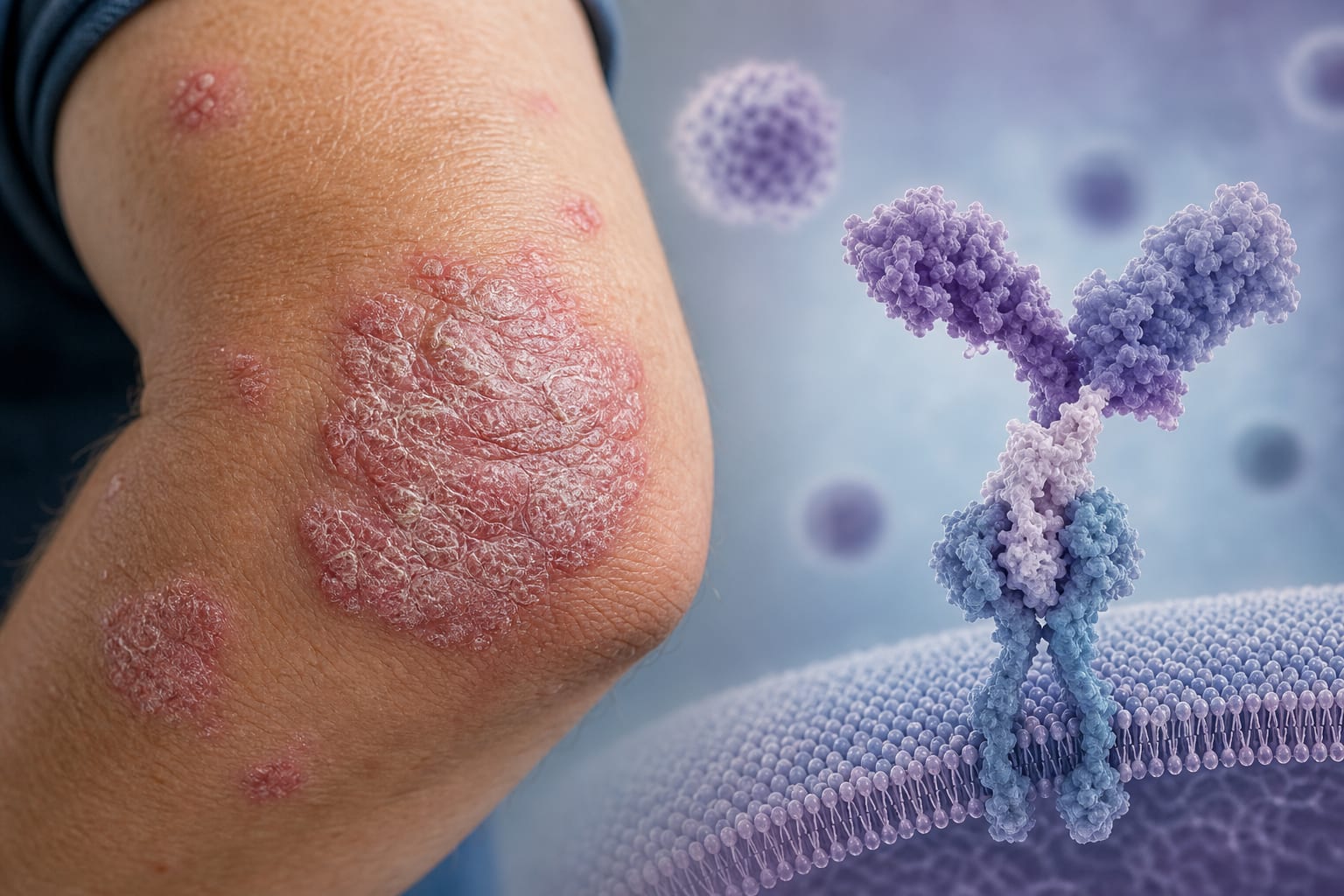
Commentary: Pemphigoid associated with quinolone antibiotics: a real-world pharmacovigilance study of the FDA adverse event reporting system and literature-based evidence - Summary - MDSpire
Advertisement
Analysis of Pemphigoid Linked to Quinolone Antibiotics: Insights from FDA Adverse Event Reports and Literature Review
To reframe the interpretation of the signal linking quinolone antibiotics to pemphigoid by highlighting methodological confounders and proposing the inclusion of clinical pharmacists in pharmacovigilance.
Approach:
Critical Reframing: The commentary aims to address unacknowledged confounding factors in the original study's findings.
Identification of Gaps: It identifies limitations in external validity and generalizability that hinder the clinical application of the findings.
Proposing a Roadmap: The commentary suggests a roadmap for integrating clinical pharmacists into pharmacovigilance practices.
Key Findings:
Significant disproportionality signals for ofloxacin, levofloxacin, and ciprofloxacin were reported, primarily affecting elderly females.
The original study did not exclude cases with concomitant high-risk drugs that could confound results.
The literature evidence presented in the original study consists of only nine case reports, which cannot statistically validate the FAERS signal.
Interpretation:
The commentary emphasizes that the original study's findings require careful interpretation due to methodological limitations.
Limitations:
The original study did not perform sensitivity analyses to exclude cases with concomitant high-risk medications.
Inability to differentiate between drug-induced and infection-induced pemphigoid.
Failure to adhere to established pharmacovigilance guidelines, impacting the study's transparency.
Conclusion:
The commentary highlights the need for rigorous studies to validate the association between quinolone antibiotics and pemphigoid.