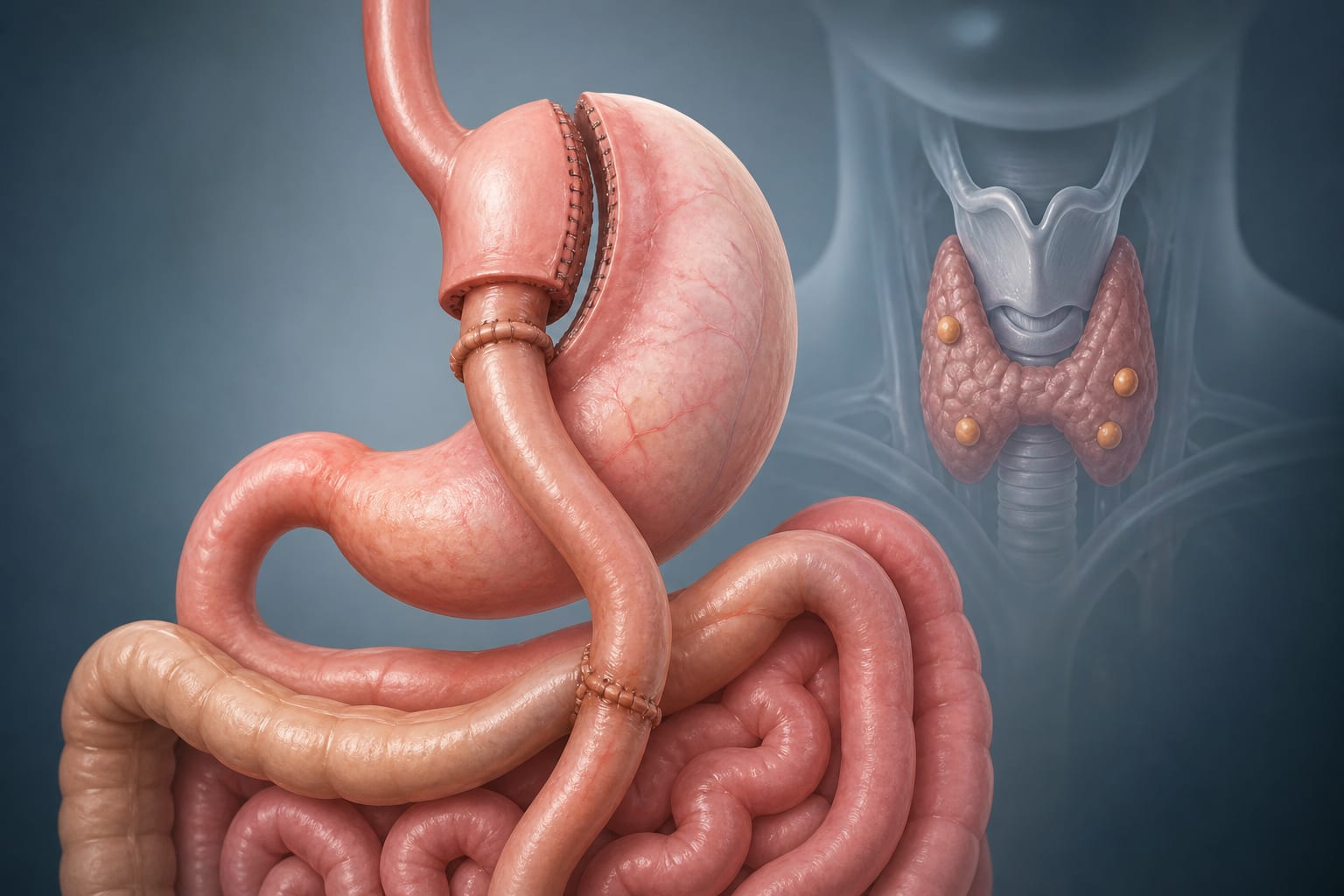
To examine the impact of bariatric surgery on fertility and pregnancy outcomes in women with severe obesity in the childbearing period, focusing on specific reproductive health metrics.
Key Findings:
Bariatric surgery can improve fertility rates in women with obesity-related infertility, potentially leading to higher conception rates.
Post-surgical weight loss normalizes hormonal imbalances, enhancing ovulation and menstrual regularity, which is crucial for fertility.
Pregnancy should be delayed for 12-24 months post-surgery to optimize maternal and fetal health, reducing risks associated with rapid weight loss.
There are potential risks for neonatal outcomes, including increased incidence of small-for-gestational-age infants and preterm birth, necessitating careful monitoring.
Interpretation:
Bariatric surgery presents a viable option for improving reproductive health in women with severe obesity, but careful consideration of timing and nutritional status is crucial for successful pregnancy outcomes, as deficiencies can impact both mother and child.
Limitations:
Limited data on women of reproductive age in low- and middle-income countries, which may affect generalizability.
Potential biases in retrospective study design, such as selection bias and recall bias, may influence the findings.
Conclusion:
Further research is needed to understand the long-term effects of bariatric surgery on reproductive health, particularly in diverse socioeconomic contexts, including specific studies on low- and middle-income countries.
Roxana Moayer, MD, is a plastic and reconstructive surgeon with Keck Medicine of USC who specializes in facial surgery and treatment of facial nerve disorders.