Acceptability of Technologies to Support Early Dementia Detection: Qualitative Study With the Boston University Alzheimer’s Disease Center Cohort - Summary - MDSpire
Advertisement
Acceptability of Technologies to Support Early Dementia Detection: Qualitative Study With the Boston University Alzheimer’s Disease Center Cohort
To explore the perspectives of older adults and those living with mild cognitive impairment (MCI) on the acceptability of using various digital technologies for early detection of dementia-causing diseases, specifically targeting this demographic.
Key Findings:
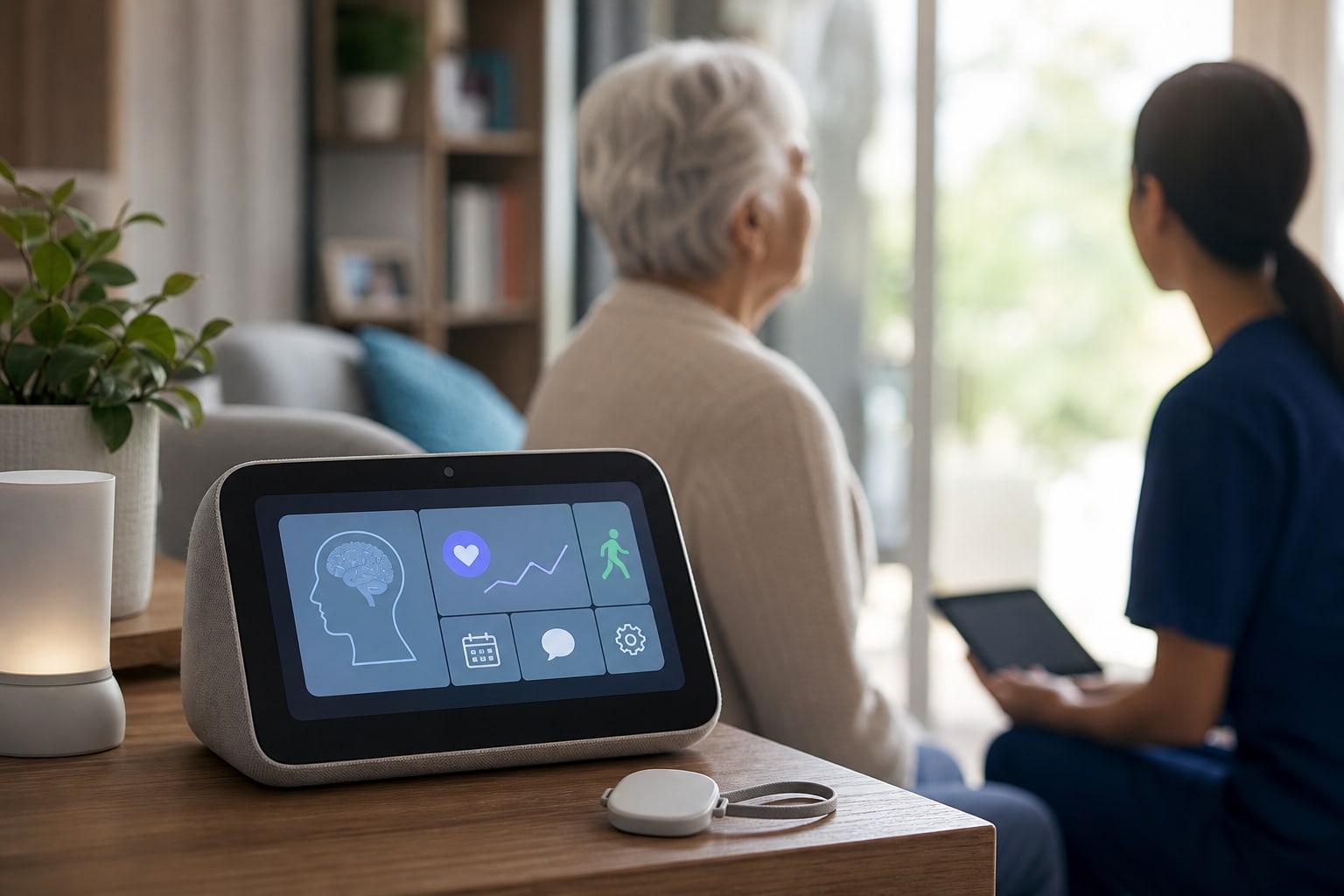
Digital technologies have the potential to facilitate remote monitoring of cognitive abilities, including gamified apps and wearable devices.
User acceptance is crucial for the successful implementation of digital technologies in healthcare, emphasizing the need for user-friendly designs.
Participants engaged with various digital technologies, including gamified apps and wearable devices, highlighting diverse user experiences.
Interpretation:
The study highlights the importance of understanding user perspectives to enhance the design and acceptance of digital technologies for dementia detection.
Limitations:
The study focused on a specific cohort from a single research center, which may limit generalizability and the applicability of findings to broader populations.
Participants were required to own smartphones and have internet access, potentially excluding some older adults who may not have these resources.
Conclusion:
The findings emphasize the need for user involvement in the design of digital technologies aimed at early dementia detection, suggesting that such involvement can enhance acceptance and usability.
by Sarah Wilson, Emily Beswick, Zachary Popp, Salman Rahman, Sharandeep Bhogal, Tim Whitfield, Spencer Low, Raiyan Khan, Clare Tolley, Zuzana Walker, Rhoda Au, Sarah P Slight