Editorial: Discovery of small molecule lead compounds: a driving force to unravel new anti-cancer targets and mechanisms, volume III - Summary - MDSpire
Advertisement
Editorial: Discovery of small molecule lead compounds: a driving force to unravel new anti-cancer targets and mechanisms, volume III
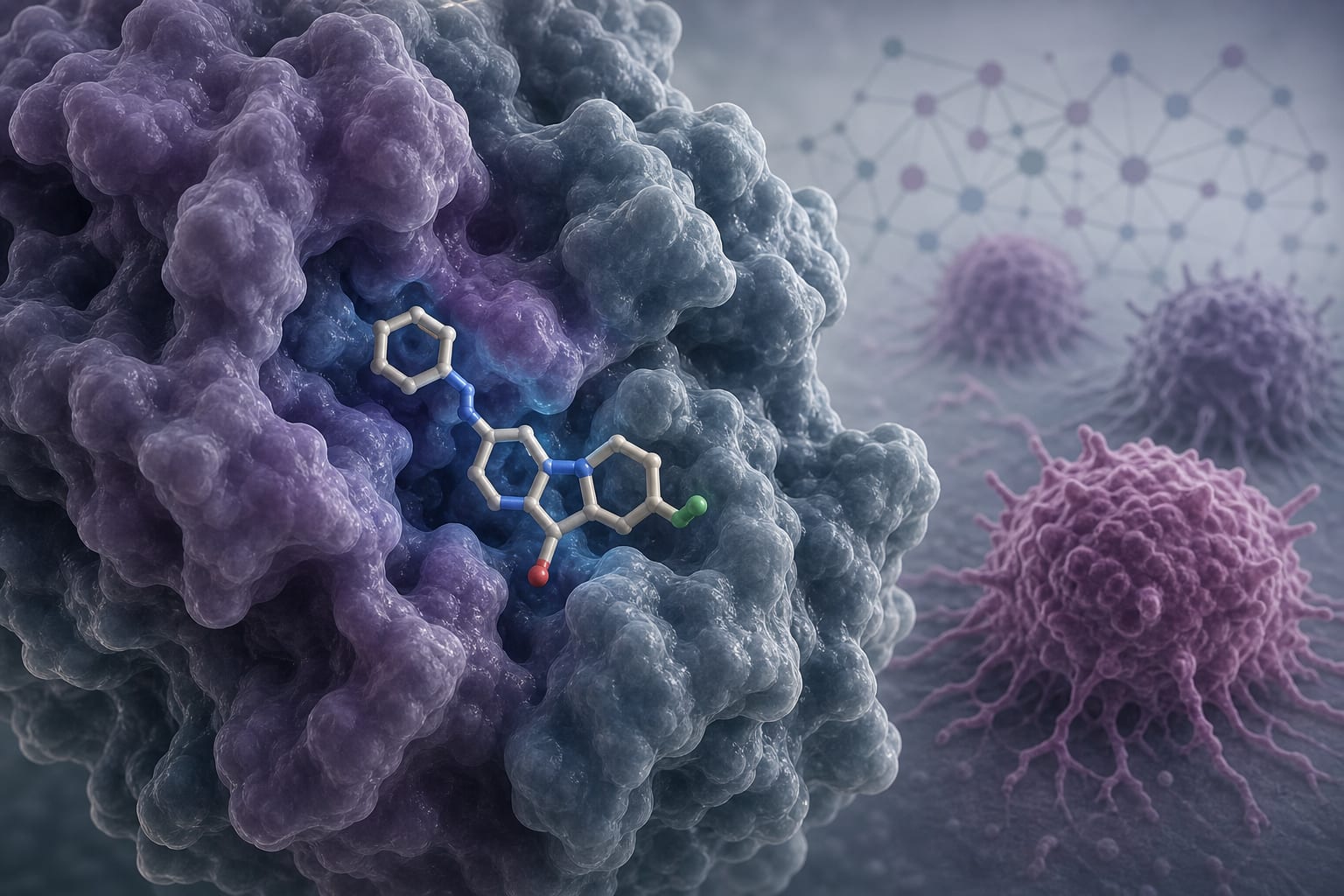
To highlight recent advances in the discovery of small molecule lead compounds as potential anti-cancer agents and their mechanisms of action, particularly in overcoming drug resistance.
Key Findings:
Parthenolide (PTL) modulates amino acid metabolism and oxidative stress in lung adenocarcinoma, targeting GCTG, which may pave the way for new therapeutic strategies.
Wogonin shows therapeutic potential against prolactinoma by inhibiting the PI3K/AKT pathway and enhancing sensitivity to bromocriptine, indicating its role as a multi-target agent.
Drug resistance in breast cancer is a significant challenge, with emerging targets for overcoming resistance highlighted, emphasizing the need for innovative therapeutic strategies.
Two novel VEGFR-2 inhibitors were identified as promising candidates for papillary thyroid carcinoma, suggesting new avenues for targeted therapy.
Lorlatinib shows potential for repurposing against a broader range of ALK mutations, which could expand treatment options for ALK-positive tumors.
Radotinib and alectinib may provide cost-effective alternatives for targeting MEK1 in cancer therapy, addressing toxicity and resistance issues.
Predictive 3D-QSAR models for chalcone derivatives indicate potential in treating chemoresistant ovarian cancer, highlighting the importance of computational approaches in drug discovery.
Steroidal saponins (SSs) have anticancer effects but face challenges in clinical translation, necessitating further research to enhance their therapeutic viability.
Interpretation:
The findings collectively underscore the potential of natural products and computational approaches in identifying novel anti-cancer therapies and targets, highlighting their role in addressing drug resistance.
Limitations:
Clinical translation of findings is limited by challenges such as low bioavailability and systemic toxicity of some compounds, necessitating innovative delivery methods.
Experimental validation is needed for several identified compounds to confirm their clinical potential, with ongoing research aimed at addressing these gaps.
Conclusion:
The editorial emphasizes the importance of small molecule lead compounds in advancing cancer therapy and the need for continued research in this area, particularly in overcoming the limitations identified.