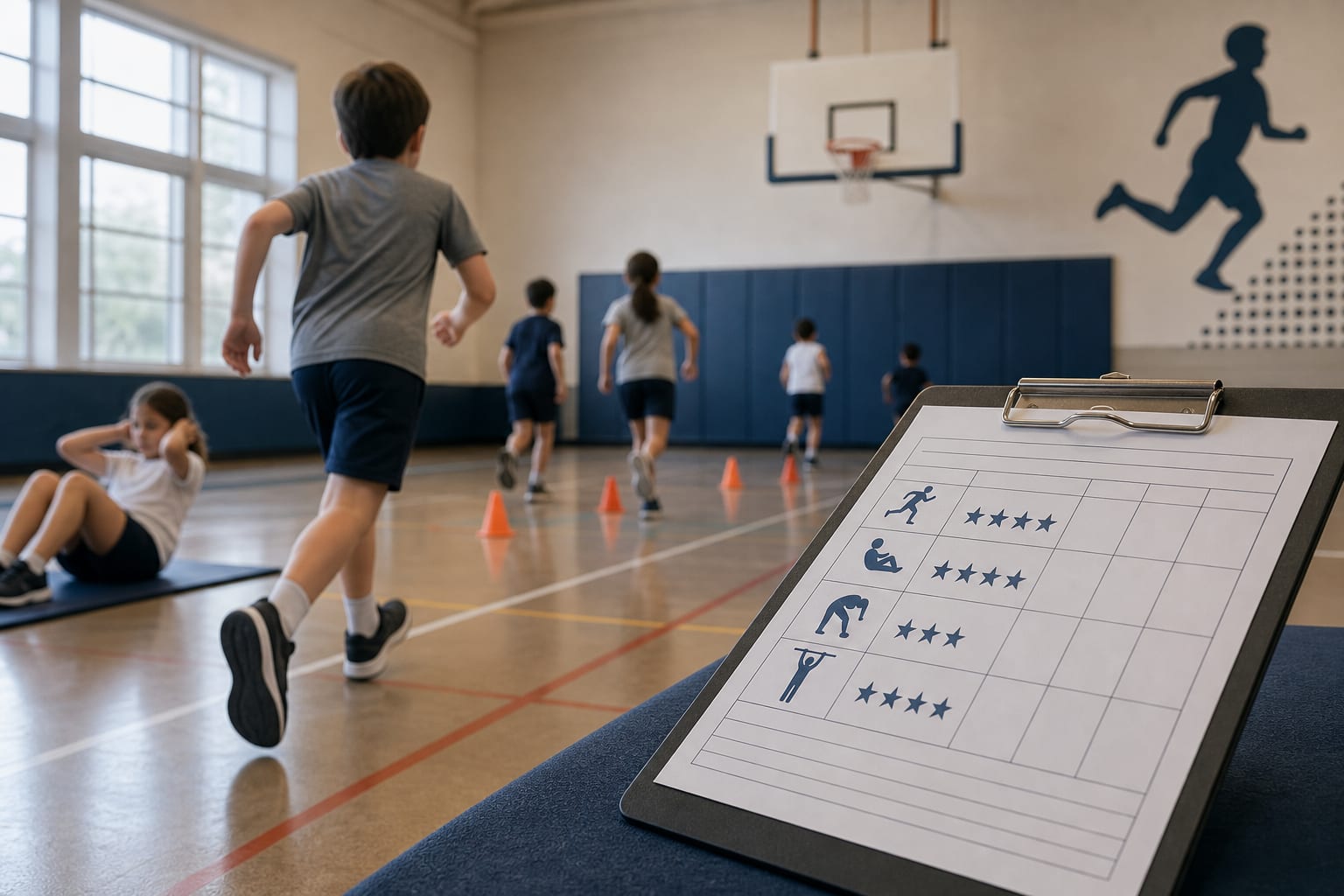
To evaluate the reintroduction of the presidential fitness test as a measure to promote youth health and combat sedentary lifestyles.
Approach:
Expert Opinions: Experts discuss the potential benefits and drawbacks of the presidential fitness test in encouraging physical activity among children.
Historical Context: The test's history and previous iterations are reviewed, highlighting past administrations' efforts to promote youth fitness.
Key Findings:
The presidential fitness test aims to address rising sedentary lifestyles among children.
Experts warn that fitness testing can lead to embarrassment and negative associations with physical activity.
A significant percentage of students do not meet the recommended daily physical activity levels.
Negative memories from past fitness tests can influence sedentary habits in adulthood.
Interpretation:
While the test may serve as a tool for identifying children needing intervention, it should be part of a broader strategy that includes enjoyable and supportive physical activity.
Limitations:
The test may discourage some children from engaging in physical activity due to public failure.
The focus on benchmarks could alienate non-competitive students.
Conclusion:
A comprehensive approach to youth fitness should include fun, non-competitive activities and positive role models to foster long-term engagement.
Brief GPT-4o chatbot conversations increased parents' HPV vaccination intentions immediately following exposure, but public health materials showed more durable effects, and no intervention increased self-reported vaccination uptake.