Progress in research on the association between glucose metabolism disorders and intracranial and extracranial atherosclerotic stenosis - Summary - MDSpire
Advertisement
Progress in research on the association between glucose metabolism disorders and intracranial and extracranial atherosclerotic stenosis
To systematically summarize the molecular mechanisms, imaging features, clinical biomarkers, and intervention strategies by which glucose metabolism disorders promote distinct pathological responses in ICAS and ECAS.
Key Findings:
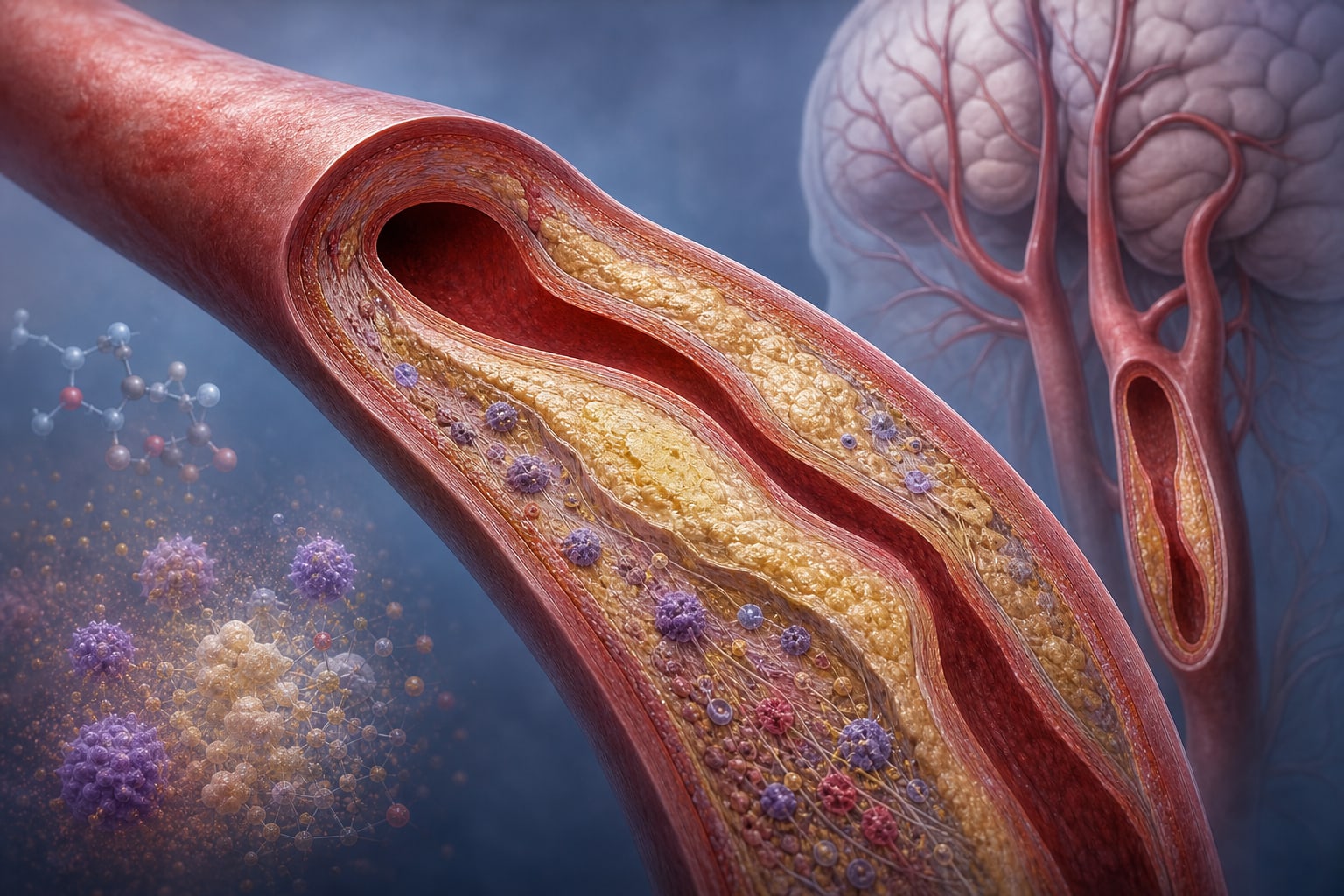
Hyperglycemia and insulin resistance accelerate atherosclerosis through mechanisms including AGEs accumulation, oxidative stress, NLRP3 inflammasome activation, and VSMC phenotypic switching.
HbA1c ≥ 6.5% is positively correlated with anterior circulation ICAS (OR = 2.04, P < 0.05).
The TyG index is significantly correlated with asymptomatic ECAS (OR = 1.85) and asymptomatic ICAS (OR = 1.34).
Individuals with impaired glucose tolerance who maintained non-diabetic status had a 23% lower risk of stroke compared to those with newly diagnosed diabetes.
Interpretation:
Hyperglycemia and insulin resistance are significant contributors to both ICAS and ECAS, with specific clinical markers like HbA1c and the TyG index serving as potential screening tools for assessing stroke risk.
Limitations:
The review does not perform a systematic meta-analysis, which may limit the strength of its conclusions.
It lacks integrated evidence on the independent contribution of insulin resistance in normoglycemic individuals, which is crucial for understanding the full impact of glucose metabolism disorders.
Conclusion:
The review provides insights into the mechanisms linking glucose metabolism disorders with atherosclerosis, highlighting the need for further research on the differential effects of glucose metabolism disorders on ICAS and ECAS, particularly in prediabetic populations.